Venezuela is one of the most captivating countries in South America, marked by its stunning natural landscapes, the variety of its flora and fauna and its massive oil deposits. Many people know Venezuela for its economic and political history; however, there is much more to know and see in Venezuela. Venezuela is a country of great contrasts, with the highest waterfall, mountains covered in snow, Caribbean beaches, tropical rainforests and endless plains.
Every time I look at maps of South America, I see Venezuela and its uniqueness. It is one of the most geographically varied nations on the continent, linking the Caribbean Sea with the Amazon rainforest and the Andes Mountains. Venezuela is a must-visit if you are seeking to discover more about South America or are just interested in geography.
Venezuela Map: Where is Venezuela Located?
Venezuela is located in the north of South America. It borders Colombia to the west, Brazil to the south and Guyana to the east. The northern coast of the country is situated on the picturesque Caribbean Sea and the Atlantic Ocean.
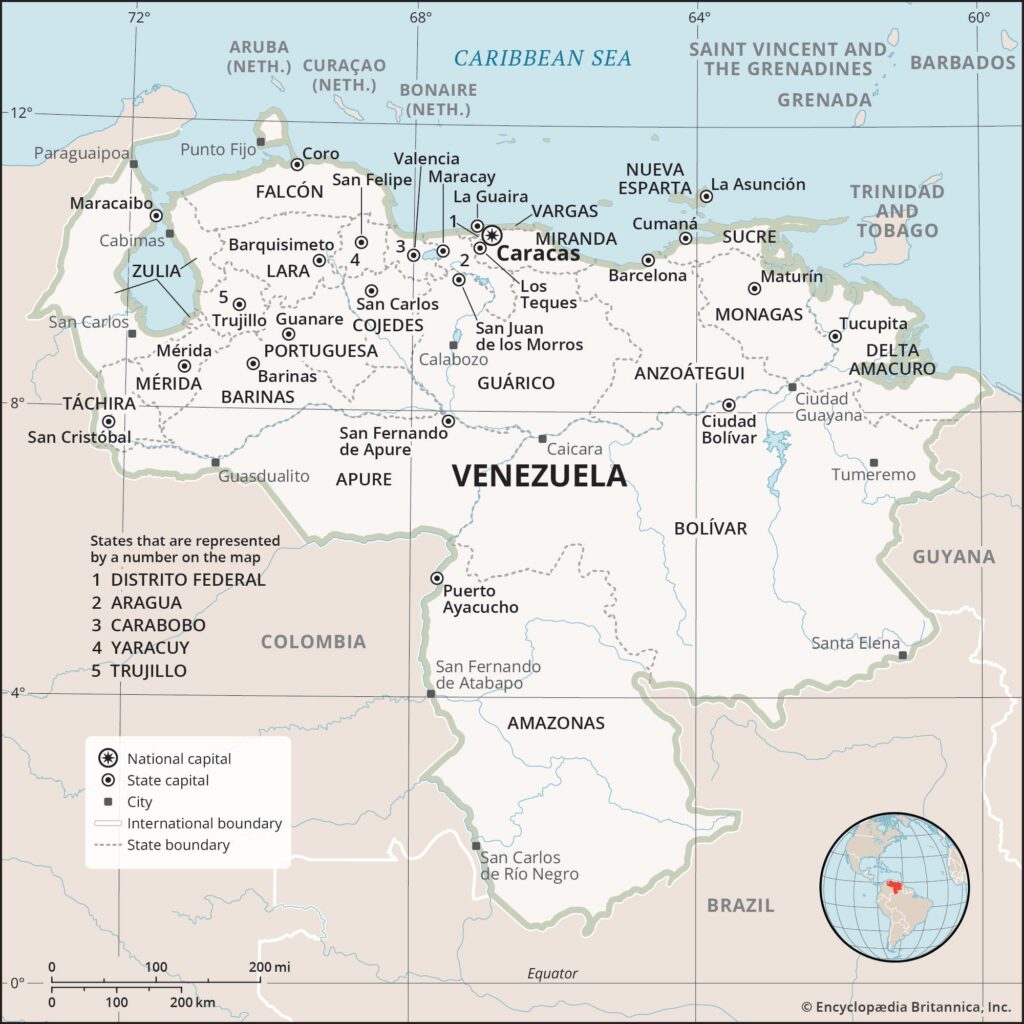
- Capital: Caracas
- Continent: South America
- Area: Approximately 916,445 square kilometres
- Estimated population (2026): Approx. 28.6 million.
- Official Language: Spanish
- Currency: Venezuelan Bolívar (VES)
- Time Zone: UTC−4
For centuries, the country’s strategic position has been an important transit point between South America and the Caribbean.
Interesting Facts About Venezuela
1. Home to the World’s Highest Waterfall
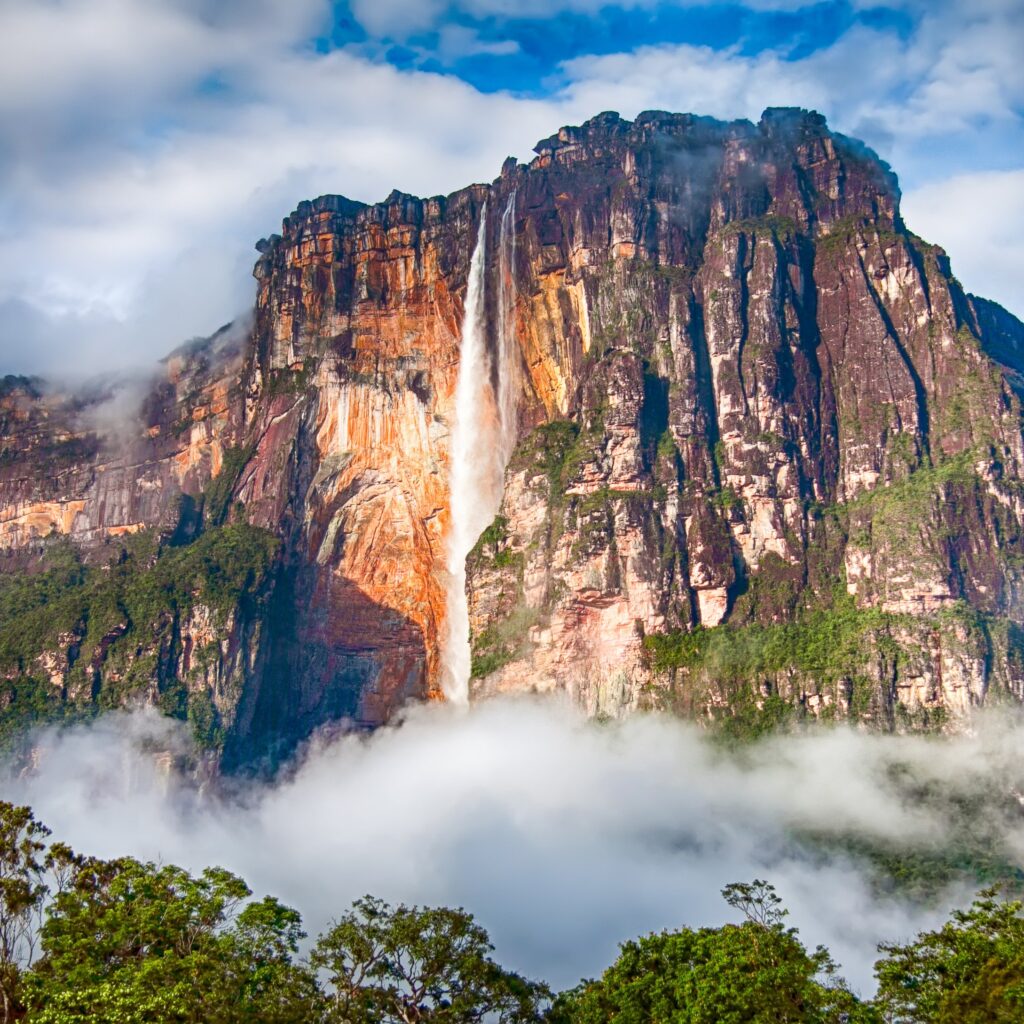
Venezuela is renowned for its highest unbroken waterfall, the Saltos Ángel (Angel Falls). From the top of Auyán Tepui, water cascades almost 979 metres (3,212 feet) into the Canaima National Park, making it one of the greatest natural wonders in the world.
2. One of the Largest Oil Reserves
Venezuela is home to one of the largest proven crude oil reserves in the world. Petroleum has contributed significantly to the economy of the country, and it is still one of the most important natural resources.
3. Extraordinary Biodiversity
Thousands of species of plants and animals grow and live in the country. Its forests, wetlands and rivers host jaguars, giant anteaters, capybaras, pink river dolphins and a wealth of tropical birds.
4. Diverse Landscapes
There is no other country with so many different geographic areas in such a small area. Visitors can experience:
- Caribbean islands and beaches
- The Andes Mountains
- Amazon rainforest
- Los Llanos grasslands
- Table-top mountains known as tepuis
Climate of Venezuela
The climate is tropical in most of Venezuela, with warm temperatures all year round. But the climate is different at different heights.
- The coastal areas experience high temperatures and humidity.
- The cooler temperatures continue in mountainous regions.
- Heavy rainfall is received in rainforests.
- December to April is generally the dry season and is a popular time for tourism.
Culture and Traditions
Native, African and European influences are found in the Venezuelan culture. Daily life includes music, dance, colourful festivals and family traditions.
Popular foods include:
- Arepas
- Pabellón Criollo
- Hallacas
- Cachapas
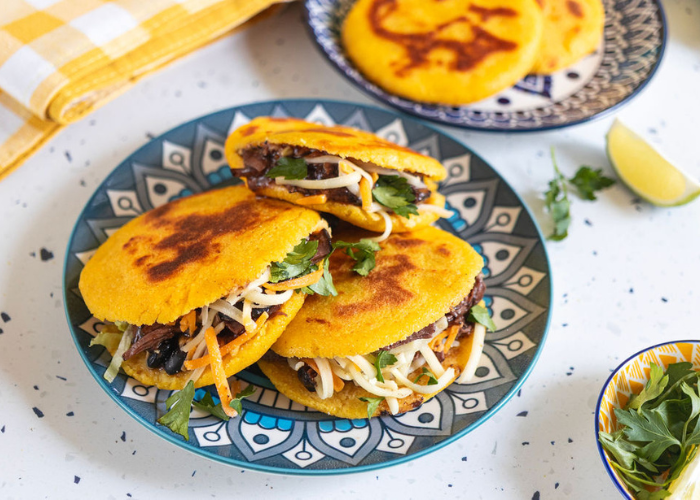
Football is still gaining in popularity with the younger generation, but baseball remains the nation’s favourite game.
Economy in 2026
After years of economic troubles, the Venezuelan economy is slowly recovering. Agriculture, tourism, mining and fisheries also play a role in economic activities apart from oil production. The nation also has substantial deposits of natural gas, gold, iron ore and other minerals.
Why Venezuela is Worth Learning About?
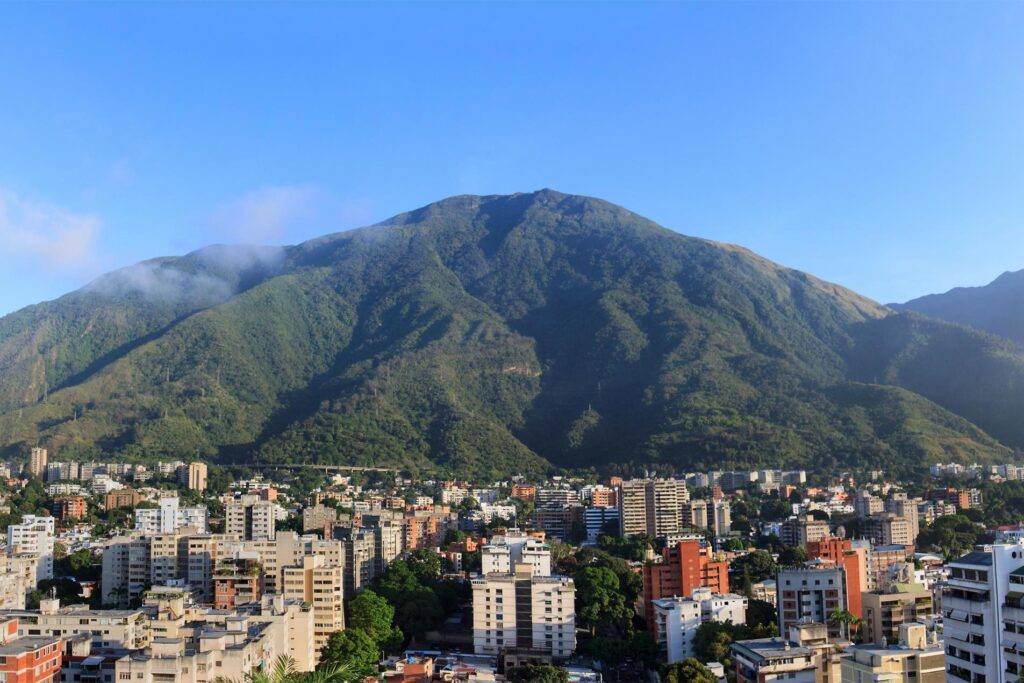
Despite the challenges faced by Venezuela over the years, its natural beauty is truly amazing. It’s locations such as Canaima National Park, the Orinoco River, the Caribbean coast and Angel Falls that give us the insight that we’re blessed with amazing scenery in this country.
As a personal interest, I like to know the countries that have a great geographical site with a lot of cultural history; Venezuela is one of them. Students, travellers and geography lovers will surely enjoy its map, which shows the extent of its geographically varied ecosystems in one single country: from beaches to towering mountains.
Final Thoughts
Venezuela is more than just a political or economic issue. It’s a nation of stunning natural wonders, mesmerising wildlife, colourful traditions and awesome geographical variety. From studying world geography to planning future trips, no matter what your level of curiosity is, understanding Venezuela can really give you insights into one of the most unique countries in South America. Venezuela is still a country of amazing scenery, history and natural resources in 2026.
About the Author