I’ve always been fascinated with the Amazon Rainforest. Every time I see a nature show with the jaguars being able to manoeuvre through the dense forests without making a single sound or a macaw flying high above the canopied trees, I am reminded of the amazing planet that we live on. The Amazon is not only a beautiful place to visit, but it is also one of the most vital ecosystems on the planet, home to millions of species and affecting the climate of the world.
Ever wanted to know where the Amazon is? How is it so special? What makes it one of the most valuable natural treasures in 2026? This guide has all of the answers.
Where is the Amazon Rainforest Located?
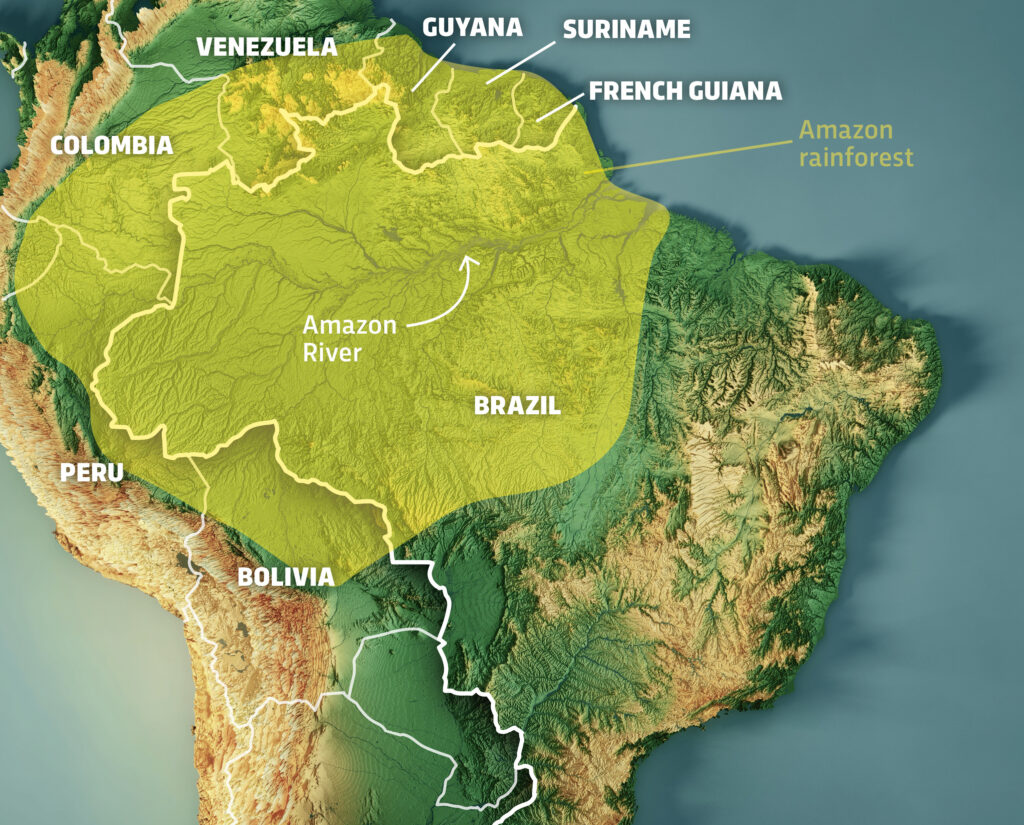
The Amazon Rainforest is in South America and is spread across 9 countries. Approximately 60% of the rainforest is in Brazil, and the remaining 40% is spread across Peru, Colombia, Venezuela, Ecuador, Bolivia, Guyana, Suriname and French Guiana.
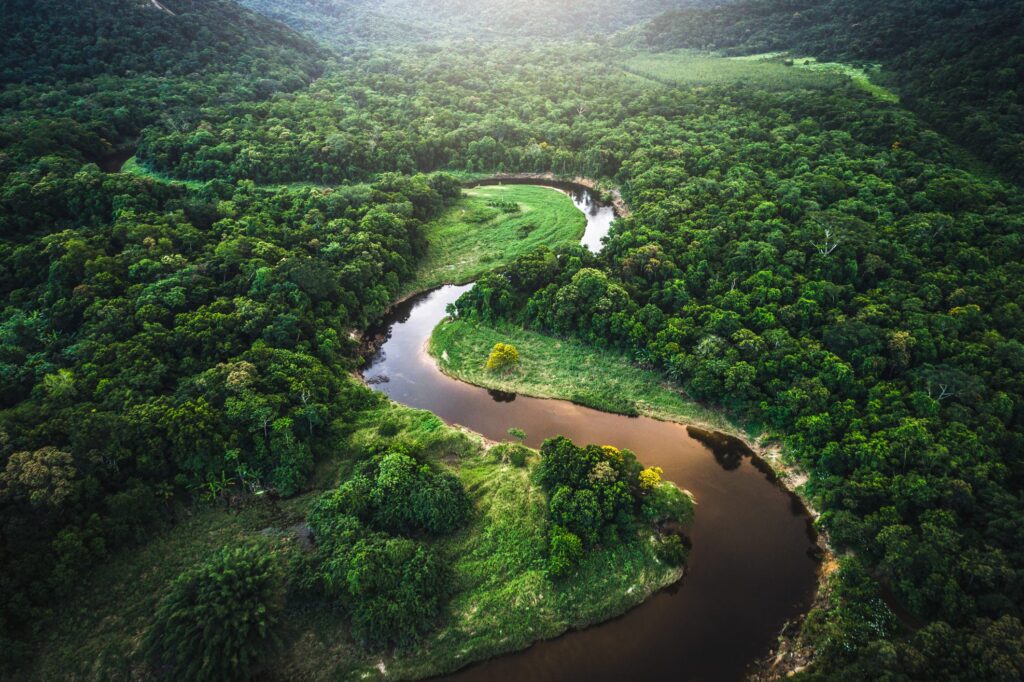
The rainforest encircles the huge Amazon Basin through which the mighty Amazon River and thousands of lesser rivers run until they reach the Atlantic Ocean.
Amazon Rainforest Map Overview
The map of the Amazon Rainforest indicates its location in the northern part of South America. It covers an area of about 6.7 – 6.9 million square kilometres, which is almost 40% of the land area of South America, and is the biggest tropical rainforest in the world.
The Amazon River is the source of the river in the Andes Mountains of Peru, and it flows east through Brazil into the Atlantic Ocean. It has a large area of rivers that make this the world’s largest drainage basin.
Amazon Rainforest at a Glance
| Feature | Information |
| Location | South America |
| Area | Approximately 6.7–6.9 million sq. km |
| Countries Covered | Brazil, Peru, Colombia, Venezuela, Ecuador, Bolivia, Guyana, Suriname, French Guiana |
| Largest Portion | Brazil (around 60%) |
| Main River | Amazon River |
| Tree Species | More than 16,000 |
| Estimated Trees | Around 390 Billion |
| Indigenous Species | More than 350 |
| Best Time to Visit | June to November |
Climate of the Amazon Rainforest
The climate in the Amazon is a tropical rainforest climate all year round.
- Average temperature ranges between 25°C and 28°C.
- Annual rainfall usually exceeds 2,000 mm.
- Humidity is frequently more than 80%.
- Wet Season: December to May.
- Dry Season: June to November.
Heavy rain and warm temperatures provide an astounding variety of plants and animals.
Fascinating Facts About the Amazon Rainforest
1. The World’s Largest Tropical Rainforest
The Amazon rainforest is the world’s largest tropical rainforest and is home to around 390 billion individual trees of more than 16,000 species.
2. One of Earth’s Richest Ecosystems
It’s estimated that almost 10% of all known species on Earth reside within the Amazon. New insect, fish, reptile, bird and plant species are constantly being discovered.
3. Home to Incredible Wildlife
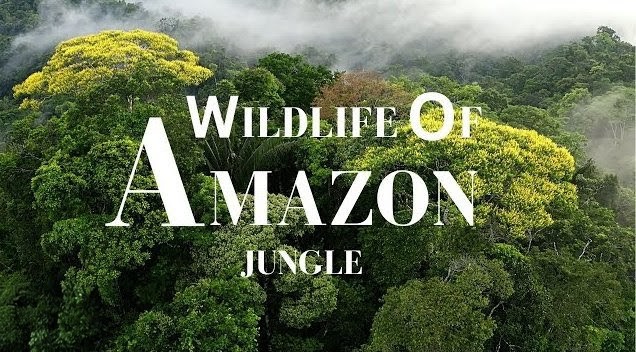
The Amazon has thousands of amazing animals, such as:
- Jaguar
- Green Anaconda
- Pink River Dolphin
- Sloth
- Giant Otter
- Harpy Eagle
- Scarlet Macaw
- Toucan
- Black Caiman
- Poison Dart Frog
- Electric Eel
- Capybara
A large number of these animals live in the Amazon Basin only.
4. Amazing Plant Diversity
There are millions of plants in the rainforest, such as:
- Rubber Tree
- Brazil Nut Tree
- Kapok Tree
- Cacao Plant
- Açaí Palm
- Giant Victoria Amazonica Water Lily
- Orchids
- Bromeliads
Compounds from rainforest plants are the source of many of the medicines and drugs available today, and scientists are still searching for new ones in the rainforest.
The Mighty Amazon River
The Amazon River is one of the most amazing rivers in the world.
- Length: Around 6,400 km
- The world’s longest and widest river.
- More than 1,100 tributaries.
- Some parts are more than 40 km wide during the rainy season.
- The Amazon Basin has almost 20% of the world’s flowing fresh water.
It’s a massive river system that sustains numerous aquatic creatures, and a large number of people rely on it for their transportation and livelihood.
Indigenous Communities
More than 30 million people, including indigenous communities (over 350), live in the Amazon. They have been living in harmony with the forest for thousands of years, and have tremendous knowledge of sustainable living, medicinal plants and forest conservation.
They continue to make a vital contribution to the safeguarding of one of the ecosystems of the world.
Why the Amazon Matters in 2026?
The Amazon plays a critical role in the regulation of the Earth’s climate. It is a huge carbon reservoir, affects rainfall patterns over South America and is a source of global biodiversity.
But there are still several threats to the rainforest:
- Deforestation
- Illegal logging
- Mining
- Agricultural expansion
- Wildfires
- Climate change
- Habitat destruction
- Wildlife trafficking
Forest loss and degradation have been mitigated, forests have been restored on degraded sites, and sustainable development is promoted by the efforts of governments, scientists, environmental organisations, and Indigenous communities.
Can you visit Amazon?
Yes. Eco-tourism is a way for visitors from all over the world to experience the Amazon.
Common places to enter include:
- Manaus (Brazil)
- Iquitos (Peru)
- Leticia (Colombia)
These ranges offer river cruises, jungle trekking, wildlife photography, birding, canopy walking, and an opportunity to experience the local cultures.
When you visit, stay at eco-friendly lodging, hire local guides certified by the Australian Indigenous Affairs Minister’s Office, don’t litter, and be respectful of Indigenous traditions.
Interesting Facts You May Not Know
- Evaporation from the billions of trees in the Amazon helps to create its own rainfall.
- Every year, new species are found in the rainforest.
- The Amazon trees are believed to be older than 1,000 years.
- The rainforest holds billions of tonnes of carbon, which helps to reduce global warming.
- One of the largest freshwater reserves on Earth is in the Amazon Basin.
- The giant significance of this land makes it the “green heart of our planet”.
Final Thoughts
The Amazon Rainforest is more than a huge forest on a map! It is a living, breathing environment with astounding biodiversity, climate regulation and a food source for millions of people. The Amazon serves as a reminder of the importance of protecting nature, which lies in the hands of all of us. As a student, traveller, or nature enthusiast, the first step to understanding the Amazon is to appreciate it, which begins with understanding why it has to be conserved for generations to come.
About the Author