Tuberculosis is what we think of as a disease that is treated with drugs and involves regular checkups and a long recovery. Also, what you put in your body plays a large supportive role in treatment. When TB brings about poor appetite, fatigue, and weight loss, which in turn makes it hard to eat well. A balanced diet in this case can do the job of giving the body energy, preserving muscle, and in turn, supporting the recovery process.
In India, what we consider a healthy TB diet does not have to include expensive or hard-to-find foods. Foods like dal, roti, rice, vegetables, curd and fruits can in fact provide the body with what it requires.
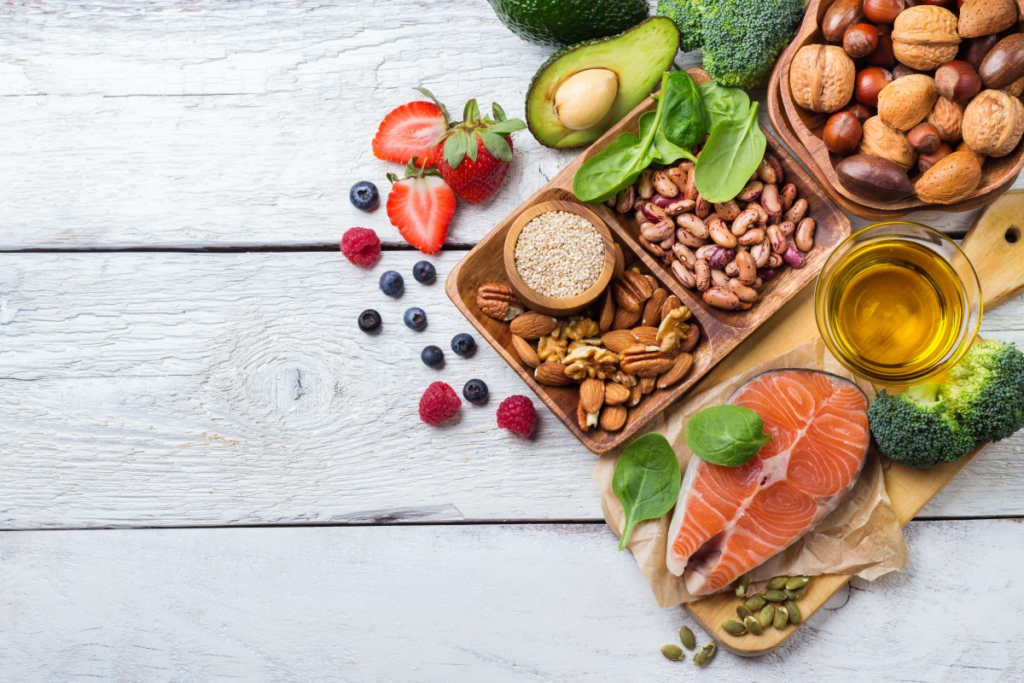
What Should be Included in a Tuberculosis Diet?
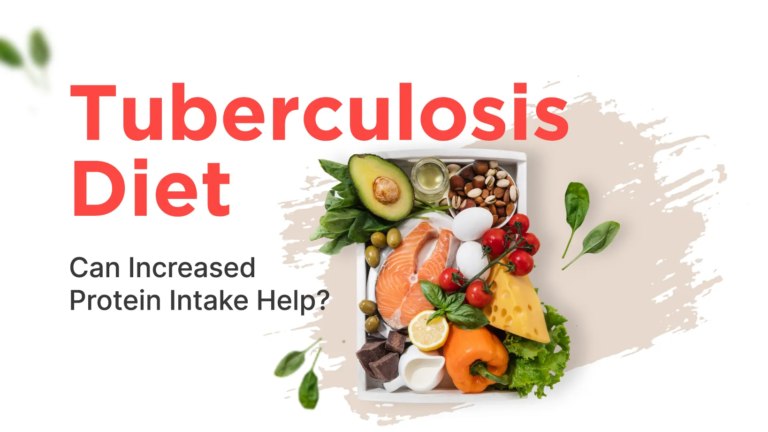
The primary aspect of focus should be on adequate calories, protein, vitamins, minerals and fluids. Protein in particular is of great importance as it relates to muscle maintenance and tissue repair. Dal, rajma, chole, paneer, curd, milk and eggs are easy options to include based on personal preference.
Whole grains and millets, including but not limited to bajra, jowar and ragi, provide sustained energy as well as fiber and other nutrients. As for green vegetables, we have palak, methi and seasonal saag, which are great sources of micronutrients; while for fruits we recommend guava, oranges, papaya and bananas, which at the same time make meals more nutritious and also don’t complicate preparation.
Tiny Meals May Do the Trick
One issue during Tuberculosis treatment is poor appetite. Instead of large 3 meals a day, try smaller, more frequent meals and snacks, which may be easier to handle.
Even which is a simple home-cooked meal that which can be altered at the same time we maintain the normal family eating routine.
Foods to Avoid and Also Care To Take
Very much so, very large quantities of deep-fried, over-the-top processed foods should be left out of the regular diet, especially if it does not help with digestion. Also avoid alcohol unless a medical professional says that it is ok for you, which in fact may even be a no due to some TB drugs affecting the liver.
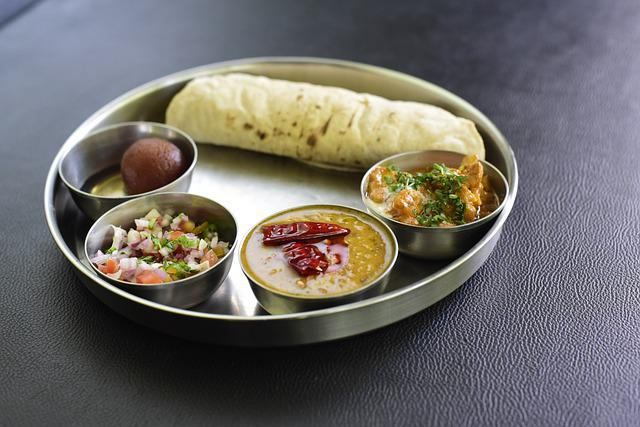
Food safety is a must. We should cook eggs and meat right, pasteurize the milk, and store prepared food right. Also, it is of great importance that dietary changes or supplements do not take the place of prescribed TB medicines.
A Simple Approach to Recovery
There isn’t one single “magic” TB food. What we have is a well-rounded, nutritious diet that fits the person’s budget, appetite and usual eating habits. Also in time to pay attention to weight, energy levels, and appetite, which may signal when extra nutritional support is required.
In that which food is not to be put in the place of TB treatment; what may be done is that it can be a part of the solution. With the routine Indian dishes, into which we incorporate regular meals and also follow the advice of health care professionals, we see that this improves the quality of the long-term TB recovery.
About the Author