Red lentils (masoor dal) are a nutritious pulse that is popular in Indian dishes. Good source of plant protein, dietary fibre, folate, iron, potassium, and other essential nutrients; low in cost. Lentils are also a good addition to a healthy eating plan because they are naturally low in saturated fat and sodium.
1. High source of plant protein
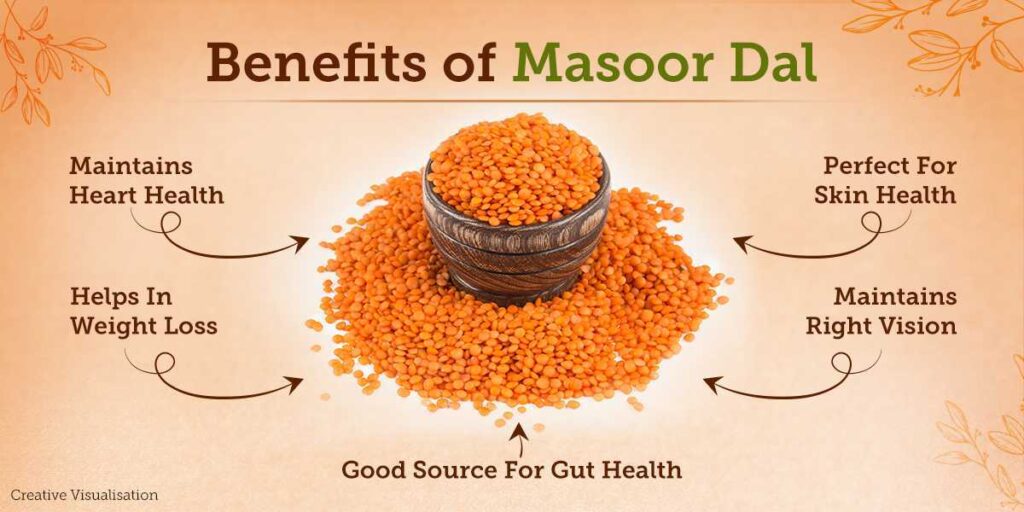
However, masoor dal is an excellent source of protein for vegetarians, since protein is essential to maintain muscles, repair tissues, and support various functions of the body. Dals can be mixed with whole wheat or rice to create a nutritious and protein-packed meal.
2. Supports Digestive Health
Lentils have a lot of fiber that can help with regular bowel movements and healthy digestion. Lentils also provide resistant starch and other carbohydrates that can serve as food for good bacteria in the gut.
3. May Support Heart Health
Fiber, plant compounds, and potassium in masoor dal may help promote cardiovascular health. Research on legumes suggests that regularly eating them may help improve cholesterol levels and other heart-disease risk factors.
4. Helps Maintain Healthy Blood Sugar
Lentils are low-glycemic, and they are rich in fiber and slowly digested carbs. These properties can be beneficial in lowering the blood sugar spike following meals. But masoor dal should not be taken as a diabetic medicine but as a part of a diabetic diet plan.
5. May assist in weight control issues
There is a combination of protein and fibre in masoor dal, which may make one feel full. This can help regulate food cravings and promote healthy calorie consumption if dal is part of a well-balanced diet.
6. Iron and Folate are provided
Masoor dal is a source of essential micronutrients such as Iron and Folate. Iron is required for hemoglobin formation; folate is important for cell division and normal red blood cell development.
7. Contains Antioxidant Compounds
Polyphenols and other plant compounds that have an antioxidant effect can also be found in lentils. These compounds have been studied for their potential health benefits, including their ability to protect cells from oxidative stress.
8. May Support Healthy Inflammation Levels
Lentils are rich in fibre and contain several phytochemicals which are under investigation for their anti-inflammatory properties. Eating a healthy diet pattern of legumes, vegetables, fruits and whole grains is typically linked to general well-being.
9. Encourages Overall Nutritional Health
Masoor dal is rich in protein, fibre,e and other nutrients like potassium, magnesium, iron, and folate. Regular consumption of various pulses can then help to diversify diets and nutritional intake.
10. Easy to add to the diet and cost-effective
The biggest advantage of masoor dal is that it is very versatile. It can be made into dal, soup, khichdi, curry,y or used in salads and other food items. Red lentils are also relatively fast to cook, compared to a lot of other legumes.
For Making Masoor Dal in the Dietary Plan
Masoor dal can be consumed with brown rice, roti, vegetables, salads,s or curd to make a nutritious meal. Harsh style of dal preparation can be upgraded to a moderate level with oil and salt,t and it becomes a more convenient and wholesome way to eat the dal.
Possible Side Effects
Some people may experience gas, bloating,g or abdominal discomfort when consuming masoor dal, especially if consumed in large quantities or abruptly. Slowly adding and drinking enough fluids can help.
Conclusion
Due to its nutritional value, low cost, and versatility, masoor dal can serve as a food source for plant protein, fiber, iron, folate, potassium,m and phytochemicals. Its potential benefits include supporting digestion, heart health, blood-sugar management,t and healthy weight maintenance. It’s easy to increase the nutritional value of the overall diet with masoor dal in 2026.
About the Author