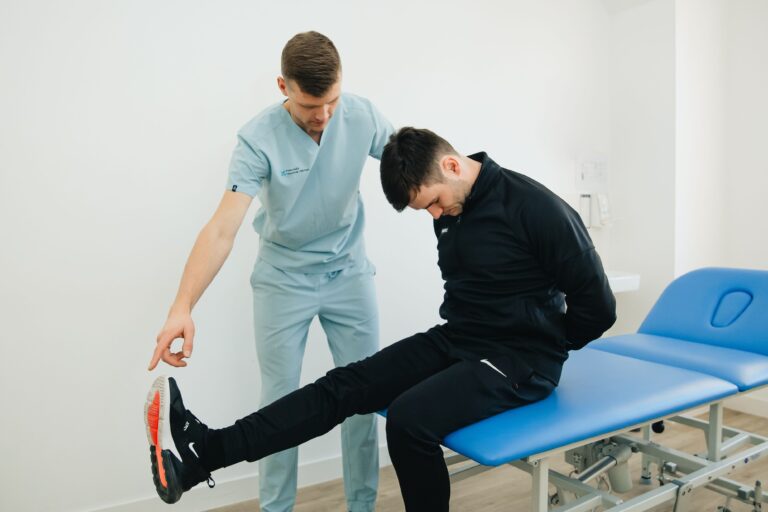
There’s a kind of pain that just stops life. Not the push-through-it kind. The kind where getting out of bed becomes an actual decision you have to make every morning. Severe back pain. Sciatica. Spine surgery recovery. All of it lands here for a lot of people in India right now.
Getting to a physio clinic with any of these going on is really difficult. The car ride alone can set things off before you’ve even arrived. Home physiotherapy near me searches have gone up in India, and honestly, it makes sense. The treatment has to come to the patient when families are already juggling work, care and everything else.
Here are five mobility issues these conditions cause, and what physiotherapy at home actually does about each one.
1. Inability to Sit or Stand for Long
Severe back pain and sciatica both make it hard to hold any position for more than a few minutes. Sitting presses on the discs. Standing wears you out fast. And it touches everything: meals, work, even being at a family gathering without wanting to lie down halfway through.
A physio working at home figures out what’s actually causing it first. Muscle imbalance. Disc involvement. Nerve compression. Bad posture built up over years. Then builds a plan around that instead of handing over the same generic back exercises everyone gets from a printed sheet. Spinal mobilisation, neural gliding for sciatica, targeted core work, whatever the assessment actually points to.
2. The Shooting Pain Down the Leg
Sciatica happens when the sciatic nerve gets irritated or squeezed; it’s the longest nerve in the body and runs from the lower back through the leg to the foot. It can feel like an electric shock, stay constant and dull, or show up with movements like bending or twisting.
A physio working at home uses neural gliding, basically gentle movement that lets the nerve slide freely again without catching, plus piriformis stretches and work on the lumbar spine. Goes after the actual cause, not just whatever symptom happens to be loudest that day.
For people who find travelling difficult because of pain, searching for “home physiotherapy near me” can make regular rehabilitation easier to manage without the strain of travelling to a clinic.
3. Stiffness After Spine Surgery
After spinal surgery, the body tenses up around the area to protect it. Makes sense; it’s just doing its job. But it also causes real stiffness, more than the surgery itself would explain.
A physio working at home during recovery starts guided movement at the right time. Not too early. Not too late either. Works on getting safe spinal mobility back, building up the muscles that support the spine, and rebuilding trust in your own body, in the rooms and stairs you actually live in every day, not some clinic hallway that looks nothing like home.
4. Balance Problems While Walking
Back conditions and post-surgery recovery can affect how a person walks. People shift weight unevenly to avoid pain without even realising it, and that throws the whole gait off, which stresses other joints and raises fall risk over time.
A home physio deals with this directly. Gait training. Balance exercises. Weight-bearing work, built up slowly. Doing it at home means the progress actually shows up where it matters: your kitchen, your stairs, the uneven bit of flooring near the front door, not a hallway that looks nothing like your actual house.
5. Being Scared to Move
Nobody puts this one on the list, but every physio has seen it plenty of times. After real back pain or spine surgery, people get genuinely afraid to move. They keep avoiding positions and everyday activities that used to hurt, even once the actual clinical cause is already gone.
A physio at home builds that confidence back slowly. Walks you through movements that feel scary, honestly terrifying for some people at first, until they just stop being scary somewhere along the way. This part matters as much as the physical side, maybe more for some people, and can move quicker at home than in a clinic.
Families looking for a “physiotherapist near me” can also discuss whether home-based sessions are suitable, particularly when pain or limited mobility makes regular clinic visits difficult.
Over 60 percent of people who need physiotherapy in India don’t finish their full treatment, mostly because getting to a clinic consistently keeps falling apart logistically. Home physiotherapy just removes that problem entirely and keeps recovery on track, week after week.
Disclaimer: This article is general information only and isn’t medical advice for your specific condition. Please consult your doctor and a qualified physiotherapist before starting any rehabilitation programme at home.
About the Author