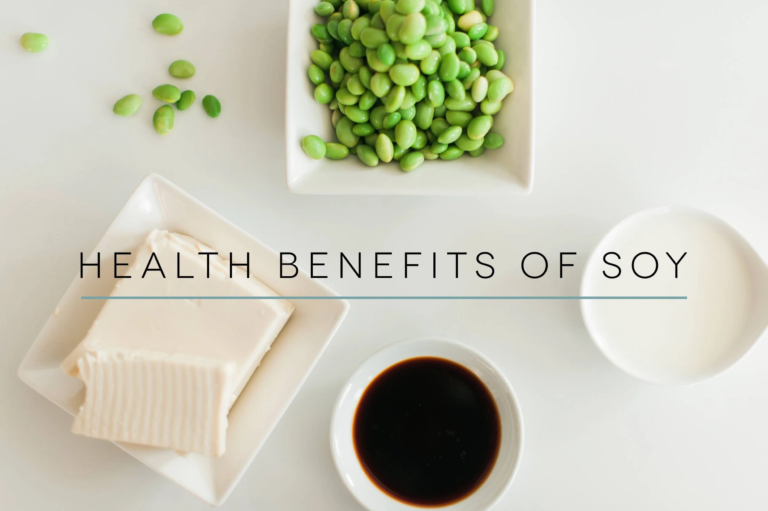
In recent times, soy milk has gone from a health food which was hard to find to a common element of many diets. Made from soy beans and water, this drink has a very mild, very creamy taste which is very useful in breakfast cereals, with tea, coffee, and in smoothies. Also for people who do not tolerate dairy well, as well as those of us who are trying to include more plant-based foods into our diet, soy milk is a great option.
I was first introduced to soy milk as a dairy alternative, but what is great about it is that it also brings in its own set of health benefits. As you look at which milk product to get, it is also put into perspective to look beyond the package and check out the nutrition facts.
Rich in High-Quality Protein
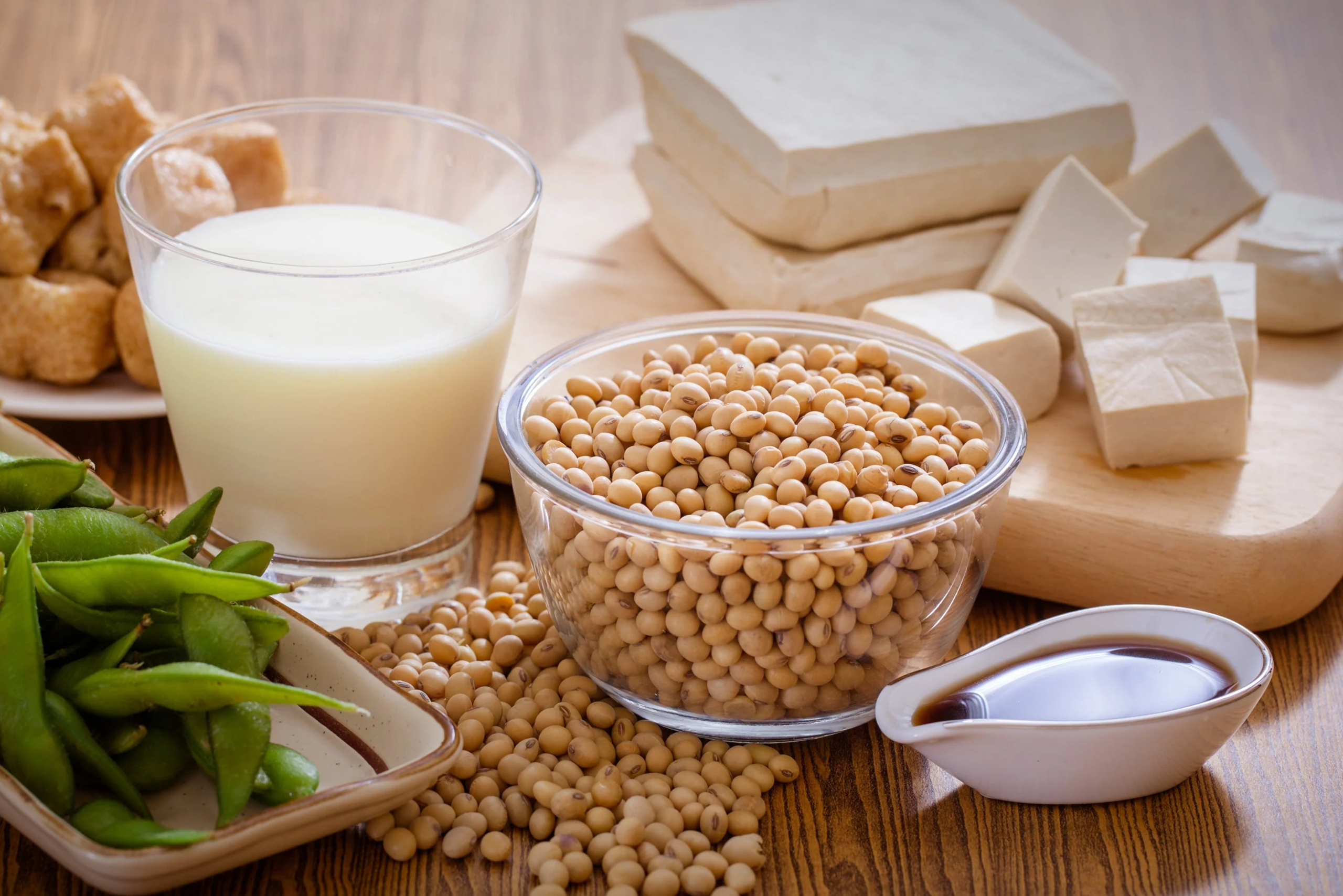
Soy milk’s greatest asset is its protein content. We note that soy is a whole protein, which is rare for a plant-based product in that it provides all the nine essential amino acids our bodies need. Also, a usual cup of soy milk has 7 grams of protein, but do keep in mind that the protein content can vary from brand to brand.
This is also very useful for vegetarians and anyone looking to increase their intake of plant-based protein. Also, protein helps with muscle maintenance and repair, which in turn leaves us feeling full after meals.
Good for Heart and Bone Health
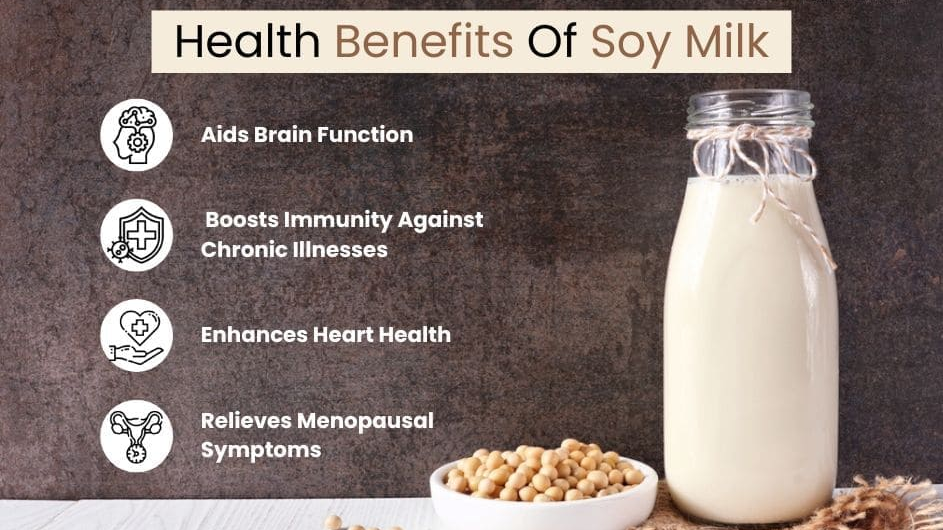
Soy milk is low in saturated fat and free of dietary cholesterol, which makes it a great option for heart health as an alternative to full-fat dairy products. Also, soy contains isoflavones, a type of natural compound which studies have looked at for what they may do for better cardiovascular health.
Another issue is that of fortified soy milk. Today we see a great choice of products which include calcium and vitamin D, elements very much so in charge of strong bone health. Also, some are put out which include vitamin B12 in their mix, which may very well be very useful for people on plant-based diets.
Helpful for Those with Lactose Intolerance
For people who have issues with regular milk, soy milk may be the answer. It’s lactose-free and thus does not bring up the digestive problems that come with lactose intolerance.
This is a reason that soy milk has become a choice for those who seek the health benefits of milk without the dairy.
Here are a Few Points to Keep in Mind
Soy milk doesn’t automatically equate to a health choice just because it is from a plant source. Some flavored types may, in fact, have large amounts of added sugar. Into the unsweetened and fortified variety I would put my money if you are a daily consumer.
People who have a soy allergy should stay away from it; also, if you have any medical or dietary issues, it is best to check with your health care provider before including soy in your diet regularly. Also, it is a better idea to include soy milk as one element of a varied diet rather than to use it as your primary source of nutrition.
The Bottom Line
In 2026, soy milk may also be put forward as a healthful and flexible element of a balanced diet. It provides complete protein, is low in saturated fat, free of lactose, and in fortified forms also presents calcium and vitamin D, which makes it a great alternative to dairy milk.
For me, what I love is the simplicity of it; it fits into a regular breakfast or a cup of coffee without asking for a great shift in what you eat. What you do is choose one that has a great nutrient profile and include it as but one element of a varied and balanced diet.
About the Author