

Sundry charges, often overlooked amidst the myriad fees on electricity bills, encompass a range of itemized costs unrelated to standard electricity consumption charges. Represented as ‘taxes and fees,’ these charges play a significant role in determining your monthly energy costs. This article aims to demystify sundry charges, shedding light on their nature, types, and associated costs.
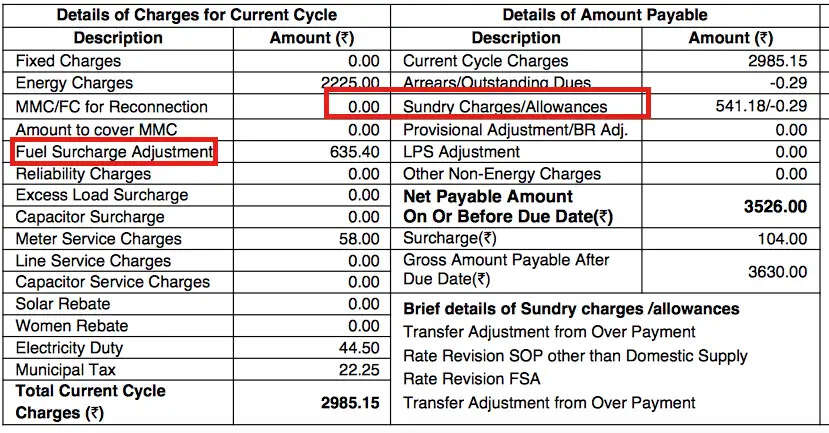
Defining Sundry Charges:
Sundry charges are additional fees imposed by electricity providers for various services linked to electricity delivery. These services encompass meter reading, customer service, billing, and administrative expenses. Unlike regular usage charges, sundry charges remain consistent for all customers, irrespective of their electricity consumption.
Types of Sundry Charges:
1. Metering Charge: This fee accounts for the acquisition and installation of meters, including any necessary upgrades or repairs. Additionally, it may cover expenses related to qualified technicians visiting homes for meter readings.
2. Infrastructure Charge: Encompassing the transmission and distribution of electricity infrastructure, this fee includes costs associated with cables and pipes, ensuring the seamless delivery of power from plants to homes.
3. Government Tax: Depending on your geographical location, sundry charges may include government taxes, designed to uphold environmental standards and regulations concerning energy production.
4. Surcharges and Fees: These miscellaneous charges may incorporate late payment fees and administrative charges, contributing to the overall sundry fees on your electricity bill.
Fluctuations in Sundry Charges:
It is crucial to note that sundry charges can exhibit variability from month to month. Monitoring these charges and comparing them with the total outlined costs on your energy bill is essential to avoid overpayment. Awareness of changes in your energy provider’s sundry charges ensures that you stay informed about your energy expenditure.
Conclusion:
In summary, sundry charges constitute additional expenses on your electricity bill, distinct from regular usage costs. Labeled as taxes and fees, they vary based on your energy supplier and geographical location. Regular scrutiny and comparison of your energy bills empower you to make informed decisions, preventing unnecessary overpayment. Stay vigilant about changes in sundry charges to maintain control over your energy-related expenses.
About the Author