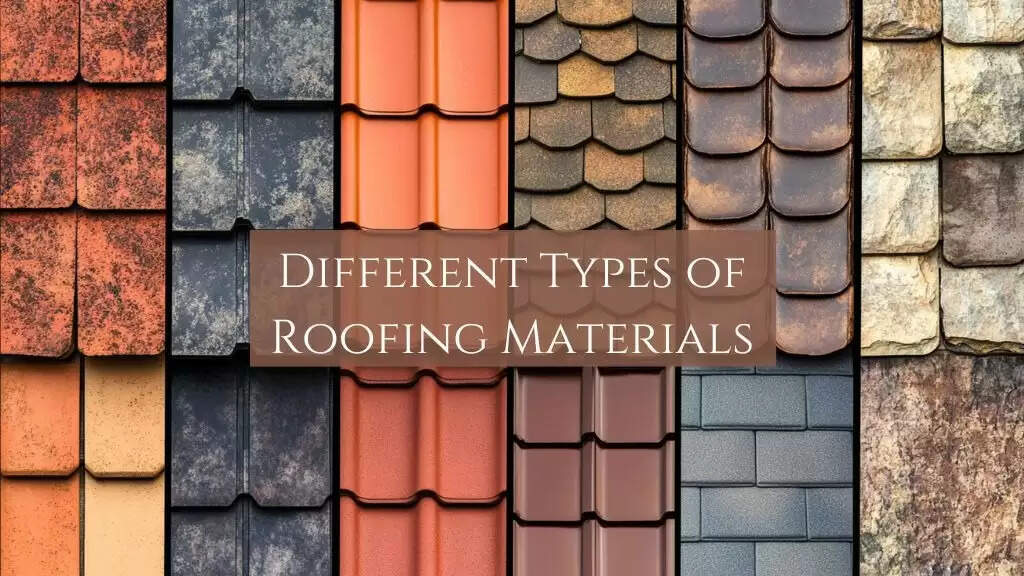
The selection of an appropriate roofing material plays a crucial role in terms of home security, durability, and appearance. Roofing technology has improved to be more durable, energy-efficient, and flexible in design by 2025. Nowadays, there is a great variety of materials that homeowners can choose one according to the climate conditions, finances, and style choices. These are the 10 roof materials that will be largely used in 2025.
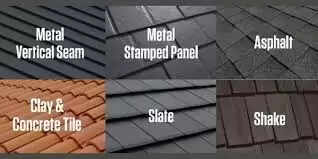
1. Asphalt Shingles
Asphalt shingles are the cheapest roofing type that is widely used. They are simple to install, medium in life, and come in numerous colours. The lifespan is normally 15-30 years.
2. Metal Roofing
Steel, aluminum, or zinc metal roofing is very durable, does not burn, and is energy-saving. They do not trap heat and have a lifespan of up to 70 years but have a high initial price.
3. Clay Tiles
Clay tiles can be used to provide high quality, luxurious appearance and resist heat. They are 50-80 years old and heavy, and must have a powerful roof frame.
4. Concrete Tiles
Tiles used to imitate slate and clay are made of concrete and are cheaper. Their durability is 30-50 years but they are heavy and porous to some extent.
5. Slate Roofing
Slate natural stone is a resource that has a life span of more than 100 years. It is very strong and beautiful, and at the same time, it is quite a costly roofing material.
6. Wood Shakes
A wood roof has a rustic look and insulation of natural wood. Cedar is the most commonly used material, but the material should be taken care of regularly and should not be treated as a fire-resistant material.
7. Synthetic Roofing
Synthetic shingles are duplicated slate or wood, but at a lower price and reduced weight. They are good in terms of durability and are available in different designs.
8. Flat–Roof Membranes
EPDM, TPO, and PVC are the best materials to be used in flat roofs. They are good at waterproofing, heat reflecting, and low maintenance.
9. Green Roofs
Green roofs involve vegetation cover to insulate, cool, and provide an environmental advantage. They need heavy building structures and frequent repairs.
10. Hybrid Roofing Systems
Hybrid roofs are a combination of several materials that are applied to achieve performance, efficiency, and flexibility in designs, which is applicable in the case of complicated roof designs.
Conclusion
Roofing materials in 2025 have a wider variety of options than they have ever had before, including affordable shingles all the way to durable slate and green roofs that are more environmentally friendly. The choice of the appropriate one will be based on the needs of the climate, budget, style, and long-term durability.
About the Author