Sheep Cultivating in India: Step-by-Step Direct, Set-up Taken a toll, and Benefit in 2025
Sheep farming has been a necessary portion of India’s provincial economy for centuries. With rising demand for meat, fleece, and dairy items, it has risen as a productive agribusiness in later a long years. Agriculturists are progressively turning to sheep raising due to moo investment, fast returns, and the versatility of the animals to differing climates. Here’s a step-by-step direct to sheep cultivating in India along with the assessed set-up, fetched, and benefit potential in 2025.
Arrive Planning and Housing
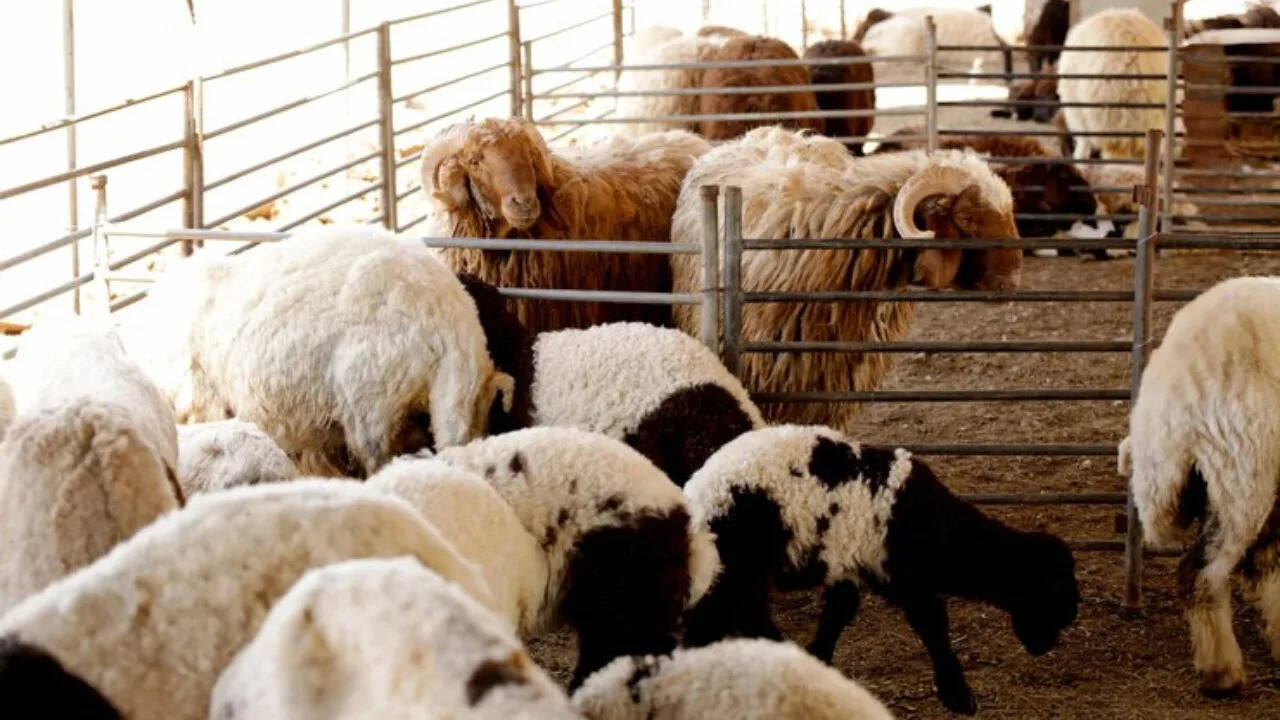
The to begin with step in sheep cultivating is selecting and planning arrival. A well-drained field with access to clean water is basic. Agriculturists construct low-cost sheds utilizing nearby materials such as bamboo, wood or tin sheets to provide protection. Legitimate ventilation and cleanliness anticipate maladies. A little run of 50 sheep for the most part requires around 0.5–1 section of land.
Determination of Sheep Breed
Choosing the right breed is vital for productivity. Well-known Indian breeds include Bannur, Deccani, Nellore, and Marwari, known for quality meat and fleece. Ranchers ought to select solid sheep resistant to illnesses with quick growth rates, and adaptability to neighborhood conditions. Cross-breeds can moreover be utilized for higher productivity.
Nourishing and Nutrition
Sheep primarily flourish on common touching, making them cost-effective to raise. In any case supplementary feed such as grains, oil cakes, and mineral blends boosts development and increases meat and dairy production. New water ought to always be accessible. Adjusted sustenance straightforwardly impacts profitability.
Breeding and Reproduction
Sheep reach breeding age in 8–12 months. Normally an ewe gives birth to one or two sheep each year. Appropriate breeding administration convenient immunization, and veterinary care increase the survival rates of sheep and guarantee the sustained development of the flock.
Shearing and By-products.
Apart from meat, sheep give important fleece and fertilizer. Shearing is, as a rule, done once or twice a year, depending on the breed. Fleece is sold to material businesses,whereas fertilizer is utilized as a natural fertilizer, bringing additional income.
Showcasing and Sale.
Farmers offer sheep specifically in nearby animal markets, to meat dealers, or through online platforms. Fleece and excrement to discover prepared buyers. With rising demand for natural meat and fleece items, advertising opportunities in 2025 are anticipated to extend further.
Set-up Taken a toll in 2025.
The venture in sheep farming depends on the scale. For a little unit of 50 sheep:
Shed development and fencing: ₹1.5–2 lakh.
Purchase of 50 sheep: ₹3–3.5 lakh.
feed and healthcare:- ₹1–1.5 lakh.
Total Speculation:- Around ₹6–7 lakh.
Profit Potential.
An agriculturist with 50 sheep can gain ₹3–4 lakh every year from meat fleece and excrement. With appropriate administration and advanced marketing channels, benefits can increase making sheep farming an economical agribusiness.
Conclusion
Sheep farming in India is set to develop as a reasonable job alternative, particularly in country areas. By taking after appropriate steps—land planning, breed choice, nourishing, healthcare, breeding, and marketing—farmers can achieve reliable benefits. With government back, progressed veterinary care, and computerized marketplaces, sheep farming in 2025 is not as it were a source of income but also a way to reinforce India’s rural economy.
About the Author