Organisational Behaviour—OB for short—comes down to understanding how people and groups really act at work. It’s everything from how employees think and decide to how they talk, handle stress, and get stuff done in the office or on Zoom. And honestly, in 2026, it matters more than ever. Workplaces keep changing, thanks to tech upgrades, remote work, flexible schedules, diverse teams, and shifting employee expectations.
OB isn’t just something managers keep in their back pocket. It pulls ideas from psychology, sociology, social psychology, anthropology, and old-school business management. Managers lean on OB when they want to know why two people react totally differently to the same situation, or how changing the office vibe can lift—or drag down—performance and morale.
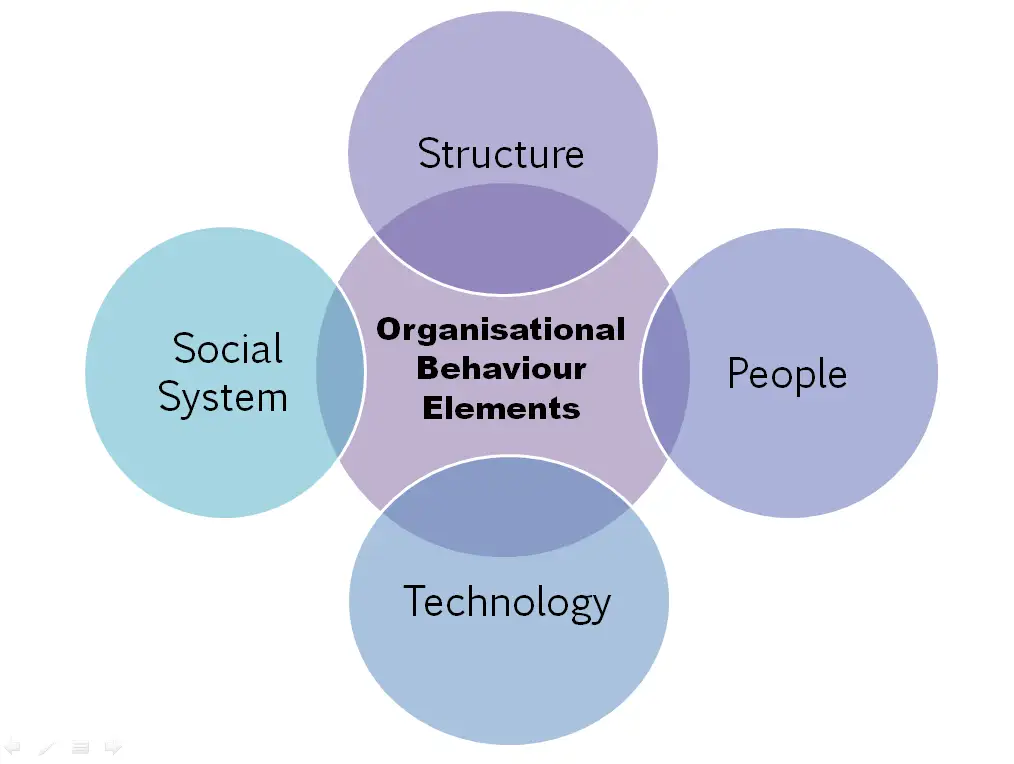
How does OB break down? There are three main levels: individual, group, and organisational.
First, the individual level. OB zooms in on one person at a time—looking at personality, attitudes, motivation, job satisfaction, emotional ups and downs. Why does someone roll out of bed excited for Mondays while someone else drags their feet? If managers get this, they can create a work environment that actually brings out people’s best.
Then there’s the group level. Here’s where things get interesting. It’s all about teams and how people mix—or clash. OB digs into how they communicate, who steps up as leader, how conflicts get sorted, and how the group really makes decisions. When managers understand these dynamics, they’re better at building teams that work together, not against each other.
And last, the organisational level, with the big picture. OB tackles company culture, structure, policies, major changes like mergers or shifts to remote work—even how big moves in the business world shake things up in daily life.
Leadership and motivation? They’re right in the spotlight. Managers want to know what gets their employees moving—and what kind of leadership makes a team thrive (or fall apart). The right mix of rewards, recognition, and opportunities for growth can change everything.
Diversity and inclusion? They’re not just buzzwords now. Teams are made up of people from all walks of life, with different perspectives and backgrounds—and OB helps organisations appreciate those differences instead of letting them turn into office drama.
And then there’s technology—AI, automation, digital tools—it’s all reshaping how people work together. OB gives managers the playbook to help employees handle these changes and stay connected, even if they’re working from all corners of the globe.
In the end—that’s what OB is about. It helps us make sense of what people actually do at work, not just what they’re expected to do. It covers everything from how individuals act, to how teams interact, to how whole organisations function. If you’re a student or someone who wants to manage people, OB isn’t just another subject to cram for. It’s how you learn what actually makes workplaces run—and what helps you make them better.
About the Author