
VLSI Career in India: Roles and Future Scope in 2026
Think about the last time your phone froze, or your car beeped at you for drifting out of a lane. Behind both sits a chip, and behind that chip sits a team of VLSI engineers who spent months, sometimes years, getting it right. In 2026, a growing share of those teams are based in India.
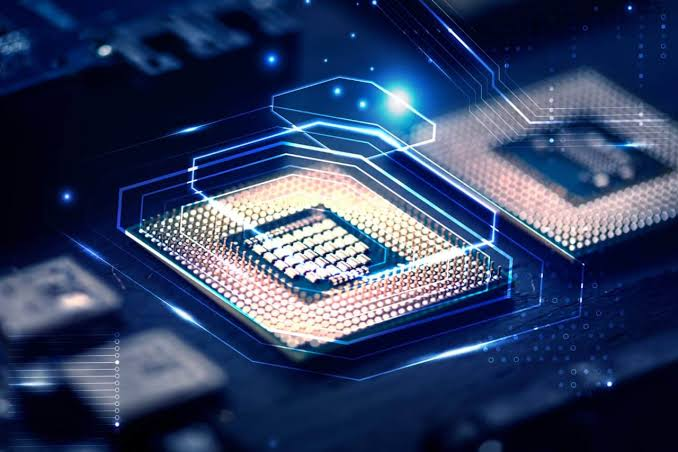
So, What Is VLSI?
Very Large Scale Integration is the work of fitting millions of transistors onto one tiny piece of silicon. A chip goes through design, verification, optimization, layout and finally manufacturing.
What makes this field different from software is the cost of a mistake. Ship a buggy app and you push an update by evening. Ship a flawed chip and the flaw is physically there in every unit. So engineers spend a huge amount of effort finding problems before anything gets fabricated.
Why India Is Suddenly a Hotspot
The government’s India Semiconductor Mission is funding fabs and packaging units, and global chip firms keep opening or enlarging design centres in Bengaluru, Hyderabad, Chennai and Noida. AI hardware, electric vehicles, 5G and smart devices all need new silicon, which keeps hiring going.
Oddly, there’s still a talent gap. India turns out engineering graduates by the lakh, but companies say too few can walk in and be useful on day one. What’s missing is practical experience.
Jobs You Can Go For
Design engineer. Writes Verilog or SystemVerilog to describe how a circuit behaves. Most freshers land here first.
Verification engineer. Builds testbenches and runs simulations to break the design before the real world does. Companies hire for this constantly.
Physical design engineer. Takes the finished logic and works out where everything sits on the chip, how it’s wired, and how much power it burns.
Analog and mixed-signal engineer. Handles amplifiers, data converters and RF blocks. Niche, tough, and well respected.
DFT engineer. Plans how a chip will be tested after it comes out of the factory, using scan chains and automated test patterns.
What Employers Look For
You need solid digital logic, CMOS basics, timing analysis and a clear picture of the whole design flow. Familiarity with Cadence or Synopsys tools helps, as does scripting in Python or TCL. Beyond that, temperament matters. Debugging a chip can drag on for weeks, and people who get restless tend to struggle.
Money
Freshers usually start at ₹3-6 LPA. With three to six years behind you, ₹8-20 LPA is common. Engineers past seven years can earn ₹25-50 LPA or more. The first few years are slower than in many IT jobs, but the long climb tends to pay off better.
The Catch
Getting in is hard. Fresher openings are few, the concepts take time to sink in, and EDA software costs far more than a student can afford. That’s why plenty of people sign up for guided programs that give them tool access and project work, since self-study alone rarely covers it.
Where to Start
- Get comfortable with digital electronics.
- Pick up Verilog or SystemVerilog.
- Learn how a chip moves from idea to silicon.
- Build small simulation projects.
- Try industry tools wherever you can.
- Settle on one specialty.
Looking Ahead
AI, connected devices, EVs and faster networks will keep asking for more chips. Software has plenty of crowded corners, but VLSI is still a field where specialists are hard to find. If you like tough puzzles and can survive the slow early years, this career rewards patience.
About the Author