Choosing an engineering degree in India isn’t just something you cross off a list—it’s a pretty big step if you’re aiming for a serious technical career. Between B.E. (Bachelor of Engineering) and B.Tech. (Bachelor of Technology), (Bachelor of Technology), you’ll hear plenty of debate, but here’s the truth: most universities offer one or the other, and these days, there’s not much difference. What really changes your experience is how each college designs and teaches its courses.
People say B.E. focuses more on the basics—the theory, the scientific foundations, all the essential stuff that holds engineering together. You dive into math, physics, and core engineering sciences, then narrow down to a specific field. It’s about getting a solid base before moving into tougher territory.
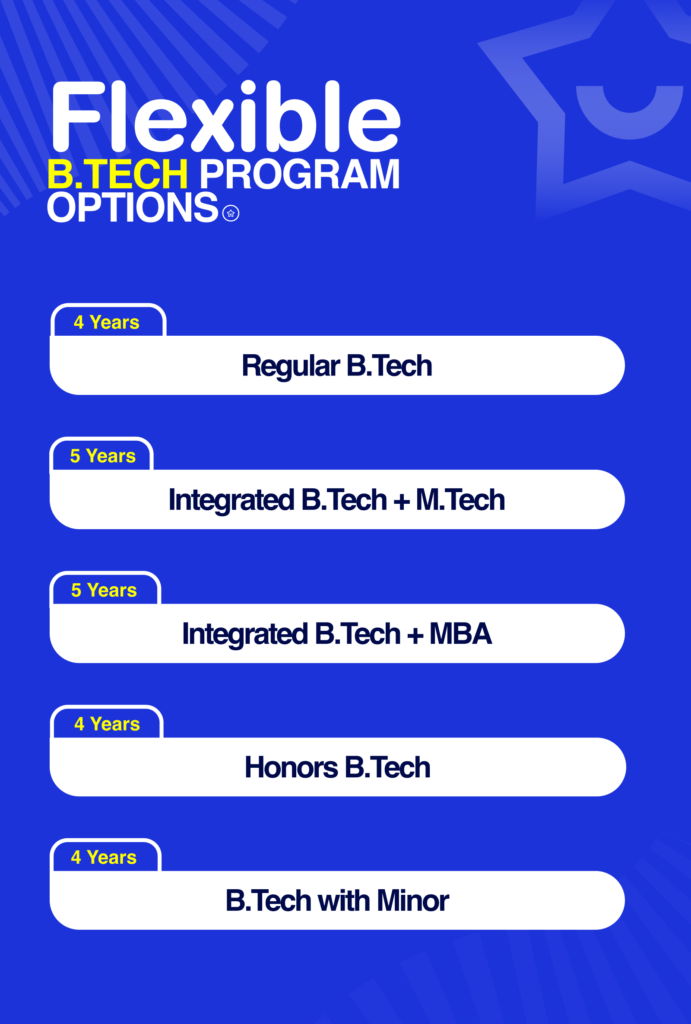
B.Tech. gets labeled as more practical—more labs, projects, hands-on training. The focus is on using what you’ve learned to solve real problems. But honestly, this isn’t a hard rule. Many colleges blend theory and practice in both degrees, so in real life, the line gets blurry. If you really want to know the difference, don’t just chase the label—check what each college actually offers.
Across the board, the structure is similar. The first semesters are packed with core subjects, then you specialize. Electives come in later, sometimes industry projects, sometimes internships—those are the things that truly set your experience apart, not just whether it’s “B.E.” or “B.Tech.” stamped on your certificate.
After four years, graduates from both programmes are set up to go in pretty much any engineering direction—software, mechanical, electronics, civil, electrical, even the flashier new stuff like data science. You can choose to head straight into the workforce or go for postgrad options like M.Tech., M.E., an MBA, whatever suits your plans.
But honestly, what matters way more than the degree name is the college itself—its reputation, its level of accreditation, how good the syllabus and faculty are, what skills you’re actually learning, the kind of internships you get, and, let’s be real, how well you do as an individual. Employers and admissions committees look at those details, not just what’s printed on your degree. Still, it pays to double-check eligibility if you’re shooting for a particular job or master’s program, just in case.
Bottom line? By 2026, whatever gap existed between B.E. and B.Tech. is mostly gone except for some details in the curriculum or style. Both are valid, respected routes. So don’t just pick a name—look closely at the college, the courses, the teachers, the labs, the placement record, the industry links, and most importantly, what actually fits what you want to do. The degree title won’t make or break your future—you will.
About the Author