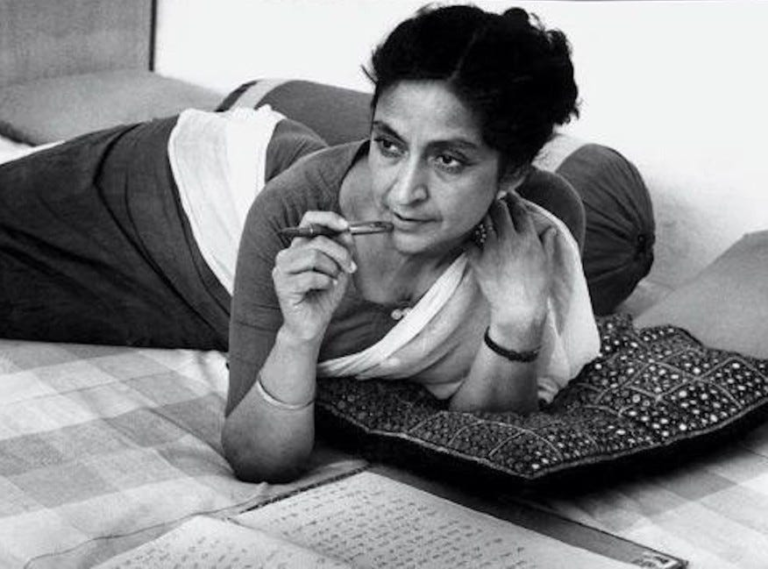
Amrita Pritam still stands out as one of the strongest voices in modern Indian literature. Her poetry isn’t just moving—it’s bold. She talks about women’s lives with such honesty that it’s almost impossible not to feel drawn in. Whether you’re young or old, folks keep returning to her work just to wrestle with big ideas: love, freedom, identity, and the pain of history. Even now, in 2026, she’s speaking to anyone who’s ever tried to make sense of messy feelings or moments that changed everything.
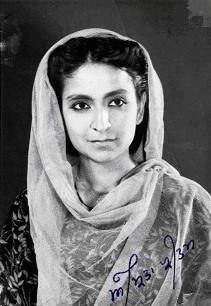
“Grooves of My Soul” comes from an essay that digs into why her poetry hits so hard, why it lingers, and how it shapes the way you feel.
Who was Amrita Pritam?
She was born August 31, 1919, in Gujranwala (now in Pakistan). She mostly wrote in Punjabi and Hindi, making her mark through poetry, novels, and her own life story. Her writing explores love, loneliness, the fight for women’s freedom, and the tangled fallout of social upheaval.
Partition in 1947 changed everything for her. She lived through all the confusion and heartbreak, and you can hear that pain in her famous poem, Ajj Aakhaan Waris Shah Nu. That poem still matters—it captures the heartbreak and the devastation that swept through so many lives then.What does “Grooves of My Soul” really mean?
It’s the title of an essay in India Currents by Monita Soni. The phrase isn’t a piece by Amrita herself, but it sort of captures what her work does: it leaves lasting marks, connecting deeply with memories and feelings.
Her poems aren’t just words—they make you stop and think about your own life, your grief, your hope, what belonging means, and all of it. She makes people feel understood.
Amrita Pritam’s Literary Achievements
She won the Sahitya Akademi Award back in 1956 for her Punjabi poetry collection, Sunehade. Later came the Padma Shri, the Padma Vibhushan, and in 1982, the Jnanpith Award for her novel Kagaz Te Canvas.
Her autobiography, Rasidi Ticket, is pretty raw. It opens up her world—her relationships, her creative process, her bond with artist Imroz, who ended up being a huge part of her life.
Why does her writing still matter in 2026?
Because she connects with feelings everybody knows—love, longing, pain, hope. She speaks up for women, pushes back against what society expects, and zeroes in on what conflict really does to people. Thanks to translations, even folks who can’t read Punjabi have found her.
“Grooves of My Soul” is all about that tight connection between her poetry and people’s memories. Amrita Pritam’s legacy reminds us to feel deeply, stand up to injustice, and never underestimate what words can do.
About the Author