Planning a family is an exciting step but also brings with it many medical and financial issues. From routine checkups and diagnostic tests to delivery and newborn care, health care costs add up. In 2026, as health care costs are still going up, maternity coverage in health insurance is a key element of financial planning for young families. Also, in my experience, couples put a lot of time into preparing emotionally for parenthood but tend to ignore the financial aspect until they are hit by pregnancy-related expenses.
What is Maternity Coverage in Health Insurance?
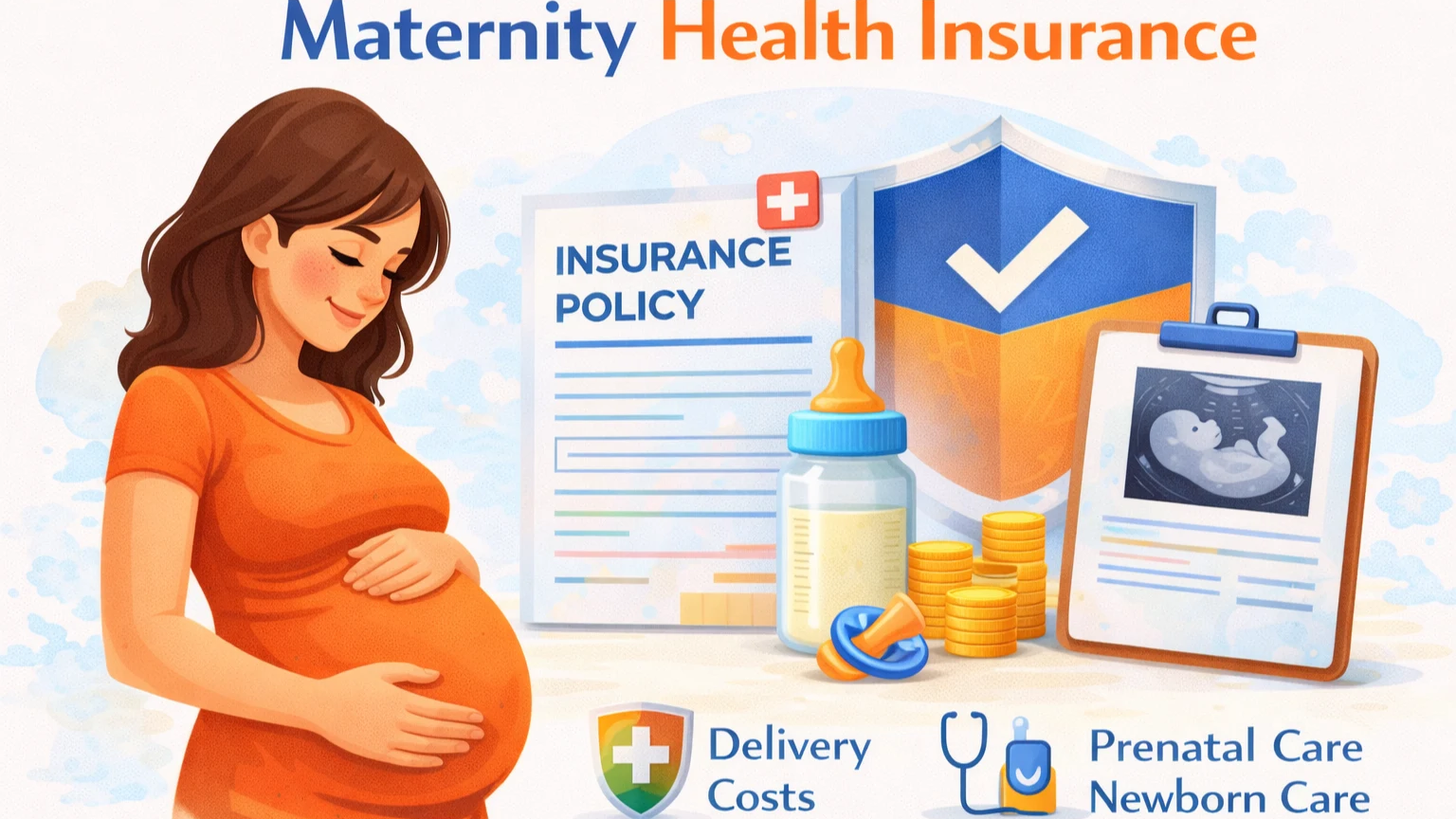
Maternity care is a health insurance feature that includes coverage for issues related to pregnancy and childbirth. What is covered varies by the policy but may include prenatal care, diagnostic tests, delivery costs, postpartum care, and some newborn health issues. While maternity coverage is not a feature in all health insurance plans, it may be made available as an add-on or in some family health care plans.

Top 8 Aspects of Maternity Coverage
1. Coverage of Prenatal and Postnatal Care
Many maternity insurance plans cover consultations, medical tests, ultrasounds, medicines, and follow-up visits, which include pre- and post-birth care.
2. Routine and Caesarean Delivery Expenses
Hospitalization and delivery charges for all types of deliveries may be covered as per the policy terms and conditions.
3. Newborn Baby Protection
Some programs include coverage for a newborn in the first days after birth. This is especially useful if the baby needs medical care right away.
4. Support During Pregnancy Complications
Some policies include coverage for pregnancy-related complications and emergencies, which in turn reduces the unexpected financial stress on the family.
5. Cashless Hospitalisation
Treatment in network hospitals is made available through cashless options, which in turn allows families to pay more attention to the mother’s health instead of arranging large sums for payment at the time of admission.
6. Financial stability for expanding families.
Maternity coverage, which in turn reduces out-of-pocket payments at what is the most critical time in a family’s life. Also, we see great variation in delivery costs between hospitals and cities, which this insurance supports to great benefit.
7. Peace of mind with early planning.
Most maternity plans have a waiting period, which is why it is very important to plan early. If you get on the insurance prior to planning your pregnancy, you can make sure benefits are there when you need them.
8. Long-Term Family Health Coverage
Some in-depth family plans include maternity benefits with routine hospital care. This may provide continuous health protection for parents and children as health care needs change.
What to check before choosing a plan?
Before you buy into that maternity insurance policy, do your research on the waiting period, coverage limits, exclusions, what the room rent will be, and the claim process. Some policies may only cover a certain number of deliveries or have sub-limits for maternity-related expenses. By reading the policy document in advance, you will avoid issues at claim time.
Who Should Consider Maternity Insurance?
Young professionals that are trying to start a family, recently married couples, and workers that will in the future become parents may see value in getting maternity coverage early. As pregnancy is not usually covered right away upon purchase of a policy, it is best to plan.
Conclusion
Maternity insurance is a much larger issue than just inpatient bills; it is a way to be prepared financially for a big life event. The right policy will cover pre-pregnancy care, delivery, and newborn health issues as well as put less strain on your finances. In 2026, we see that which that of the families who purchase this coverage early and understand what it includes will do so with great confidence and peace of mind.
FAQs
Do I have the option to get maternity insurance after I become pregnant?
Usually, what you will see is a waiting period for maternity benefits to kick in, so it is better to get the policy before you conceive.
Does maternity coverage include C-section?
Many plans include normal and C-section deliveries, which are subject to the terms of the policy and sub limits.
What is usually excluded?
During the wait period, non-essential procedures and also what is specified in the policy as excluded are not covered.
Who should buy maternity coverage?
Couples and individuals who are trying to expand their family should get it early.
About the Author