
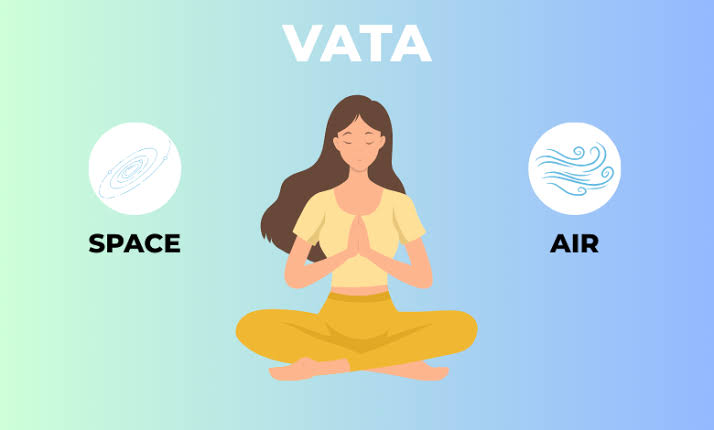
In Ayurveda, we see that Vata Dosha is one of the three primary doshas, which also include Pitta and Kapha. It is related to the elements of air and space and is thought to be the force behind movement in the body and mind, which includes breathing, circulation, nerve function, muscle movement and elimination.
Vata by nature is not harmful. In Ayurveda, we see issues arise when Vata is increased or disturbed. By being aware of the typical signs of Vata imbalance, people may better notice how their routine, environment or lifestyle impacts their general health and well-being.
Common Symptoms of Vata Dosha Imbalance
Symptoms of aggravated Vata tend to present differently in each person. For example, some that are reported include:
Weathered Skin and Hair.
Excess Vata is a dry condition. We see dry, rough or flaky skin, chapped lips, brittle hair or dryness in various parts of the body.
Gastrointestinal issues.
Changes in digestion are a theme and are very much a feature of Vata imbalance. This may include constipation, gas, abdominal distension, irregular appetite and postprandial discomfort. Also, in Ayurveda, what we see is that Vata is related to irregular, as opposed to very strong, digestive action.
Feeling Chilly.
People who are seeing an increase in their Vata may notice they are more sensitive to cold; also, we see that they may have cold hands and feet very often. Also, it is noted that they prefer warm climates or situations.
Restless and Anxious.
In that which is the domain of Vata, which is that of movement, we see that when it is out of balance, it is associated with mental restlessness. Flipping thoughts, nervousness, worry, agitation, and the inability to feel at peace may occur.
Sleep Issues.
Light, broken or irregular sleep is also a very commonly reported symptom. Some may have trouble initially falling into a doze because their thoughts race at night; also, we see that some sleep very little at night.
Joint Popping and Stiffness.
Dryness and abnormal movement are commonly reported for joint issues like cracking or stiffness. Also, body aches and muscle pain may be reported in regard to aggravated Vata.
Twitches or Muscle Spasms.
In Ayurvedic texts, it is reported that increased Vata may present as things like twitching, tremors or muscle spasms.
Challenged in Focusing.
An unstable or very active mind may cause one to have difficulty in concentration. Forgetting things, disjointed thoughts, and trouble staying focused are what we see in cases of increased Vata.
Tiredness and Little Energy.
Although Vata is related to movement and activity, it also may present with symptoms of tiredness, reduced strength and a feeling of mental or physical depletion.
What Can Aggravate Vata?
In Ayurvedic practice, it is noted that qualities similar to Vata dryness, cold, irregularity and movement may cause imbalance. Irregular routines for eating and sleeping, too much travel, lack of rest, cold and windy weather, overexertion and too much mental activity are also put forth as common examples.
Maintaining regularity in your daily routine, getting plenty of rest and choosing warm, nourishing foods is what is put forth to support Vata balance. Also try gentle exercise and calming practices.
Final Thoughts
In Ayurvedic theory, Vata Dosha plays a very large role, which is in terms of movement through the whole body and mind. Symptoms of dryness, constipation, bloating, cold sensitivity, restless thoughts, anxiety, sleep issues, joint pain and irregularity are some of the most common signs of Vata imbalance.
However, many different medical causes can produce our symptoms, which should not, by and large, be identified with Vata Dosha. In the case of persistent, severe or worsening symptoms, do not use Ayurveda in place of proper medical evaluation.
About the Author