Sunflower Seeds: The Snack Your Grandma Was Right About
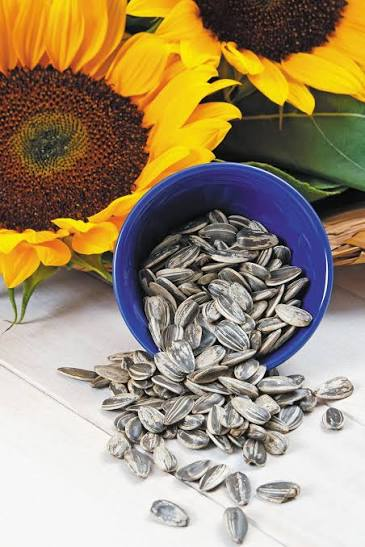
My grandmother kept a bowl of sunflower seeds on the kitchen counter for as long as I can remember. She’d crack them between her teeth while reading the newspaper, spitting shells into a little dish like it was second nature. I used to think it was just an old habit. Turns out, she was onto something.
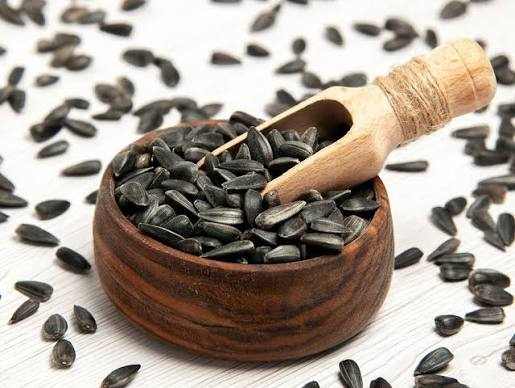
These little seeds come from the sunflower plant, and people have been eating them for thousands of years — long before anyone had a word like “superfood.” Native American communities grew and relied on them well before Europeans ever set foot on the continent. So no, this isn’t some new wellness trend. It’s just taken this long for the rest of us to catch up.
What’s Actually In Them
Here’s the thing about sunflower seeds — they punch way above their weight. A small handful gives you a decent amount of vitamin E, protein, fiber, and fats that your body actually wants (the unsaturated kind). Throw in magnesium, zinc, and selenium, and you start to understand why a bag of these can feel more satisfying than a bag of chips, even though it’s a fraction of the size.
Your Heart Will Thank You
The fats in sunflower seeds aren’t the kind that clog things up. They tend to help lower the bad cholesterol while supporting the good stuff, and the magnesium content helps keep blood pressure in a healthier range. It’s not a magic fix, but it’s a small, steady nudge in the right direction — the kind of thing that adds up over years, not days.
They Back Up Your Immune System
Zinc and selenium are two minerals your immune system leans on heavily, and sunflower seeds have both in good supply. Pair that with vitamin E’s antioxidant effects, and you’ve got a snack that’s genuinely doing something useful while you’re just enjoying the crunch.
Good for Digestion, Good for Blood Sugar
There’s a decent amount of fiber in these seeds, which helps keep digestion regular and feeds the good bacteria living in your gut. That same fiber also slows down how fast sugar gets absorbed into your bloodstream, which matters if you’re trying to avoid those energy crashes after eating.
Bones, Mood, and Skin
Magnesium, copper, and phosphorus all show up in sunflower seeds, and all three matter for keeping bones strong. On top of that, magnesium has a calming effect on the nervous system, and some compounds in the seeds help your body produce serotonin — which might explain why a handful of these can feel oddly comforting on a rough day. Vitamin E also helps protect your skin from everyday damage like sun exposure and pollution.
But Don’t Go Overboard
Like anything, moderation counts. Eat too many and you’re looking at extra calories, and if they’re salted, a sodium spike that isn’t doing your blood pressure any favors. People with seed allergies obviously need to avoid them altogether, and it’s smart to actually chew them well — the shells aren’t meant to go down with the seed.
So next time you reach for a snack, maybe skip the chips and grab a handful of sunflower seeds instead. Your grandmother probably already knew what she was doing.
About the Author