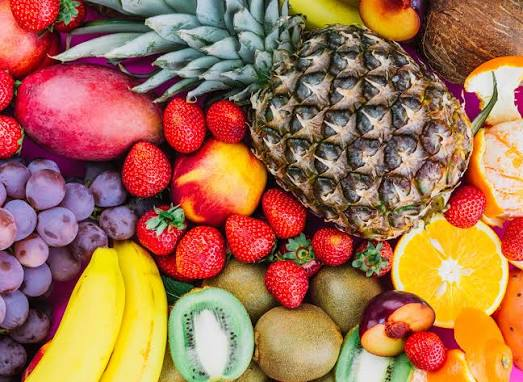
A low-carbohydrate diet is defined as a dietary strategy that helps reduce carbohydrate intake and focuses on increased intake of protein, fat, and other healthy foods. Carbohydrates are found in food items such as rice, bread, roti, potatoes, sugary products, fruits, sweetened beverages, and grain-based products.
In India, a low-carbohydrate diet does not require complete elimination of traditional foods. It usually includes reduction of refined carbohydrates, portion control of rice and roti, reduction of sugars, and addition of vegetables, paneer, eggs, pulses, fish, or meat.
What is a low-carbohydrate diet?
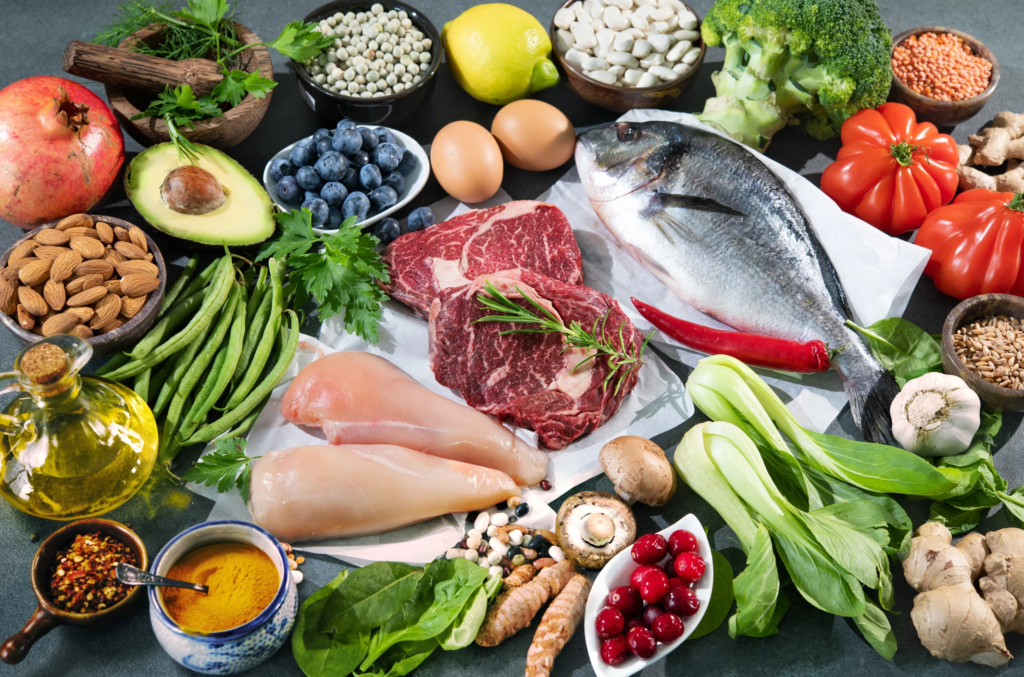
A low-carbohydrate diet is a dietary strategy that includes limiting carbohydrates in comparison to the previous diet eaten by the individual. A specific level of carbohydrates cannot be said for all types of low-carbohydrate diets, as each plan uses a different limit for it.
The basic principle of the low-carbohydrate diet is the reduction of high-refined carbohydrate-containing foods and sugars while providing adequate amounts of proteins, fibers, healthy fats, vitamins, and minerals.
A healthy low-carbohydrate diet is one where carbohydrates have been replaced with excessive use of butter, fried foods, and processed meats.
How Do Low-Carb Diets Work?
Carbohydrates are converted to glucose and serve as an important energy source for the body. If there is less consumption of carbohydrates, the body will need less glucose and more stored energy.
The diets that restrict the consumption of carbohydrates usually contain plenty of proteins, fibers, and good fats, which make people feel satiated and therefore make them eat fewer calories.
In very low-carb diets, the process of ketosis happens, where the body produces ketones and uses fat as an energy source. However, in usual low-carb diets, the restriction of carbohydrates is not enough to cause the process of ketosis.
1. Can Promote Weight Loss/Weight Management
One of the most common reasons why people follow a low-carb diet is weight loss and weight management.
As low-carb diets do not contain such high-calorie products as sweets, soft drinks, flour products, and lots of rice, calorie consumption becomes lower. Furthermore, high-protein and high-fiber foods make people feel satisfied.
Following a low-carb diet, people lose weight effectively in a short period of time. However, weight management in the long run requires consuming calories.
2. May Assist in Managing Blood Glucose Levels

The level of blood glucose is influenced by carbohydrates. It means that cutting down on large amounts of refined carbs will be helpful for certain individuals to minimize their spikes in blood glucose post-meals.
Eating more vegetables, legumes, nuts, and small quantities of high-fiber carbohydrates in place of sugar-loaded foods and highly processed ones will enhance the nutritional value of meals.
Patients with diabetes using insulin and other hypoglycemic medications should avoid drastic reduction of carbs without any medical supervision, as their dose would need modification.
3. Will Assist in Controlling Hunger
A properly planned low-carb meal plan consists of protein-rich, fiber-rich, and healthy fat foods that contribute to satiety.
Eggs, paneer, curd, fish, chicken, nuts, seeds, and vegetables will provide sufficient satiety without depending on refined carbs.
Enhanced satiety can assist individuals to better portion control and avoid overeating.
4. Reduced Intake of Refined Carbohydrates and Added Sugar
One of the best advantages of a healthy low-carb diet is the reduced intake of foods rich in added sugar and refined flour.
Drinks, desserts, cakes, pastries, bread, and other processed snacks can contribute significantly to calories while lacking in fiber content.
This advantage can be achieved even by individuals who are not strictly on a low-carb diet.
Healthy Food Choices for a Low-Carb Diet
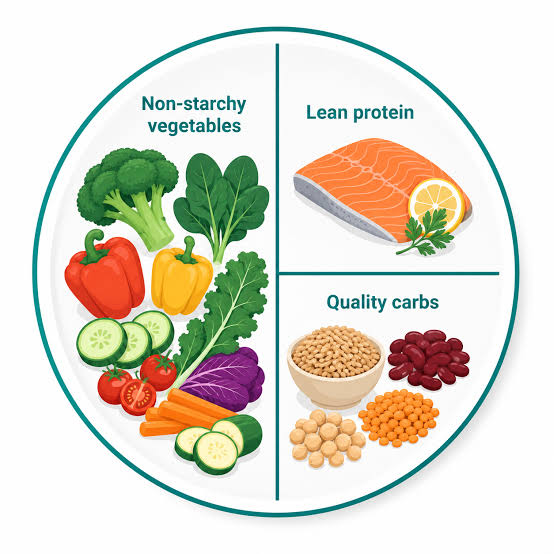
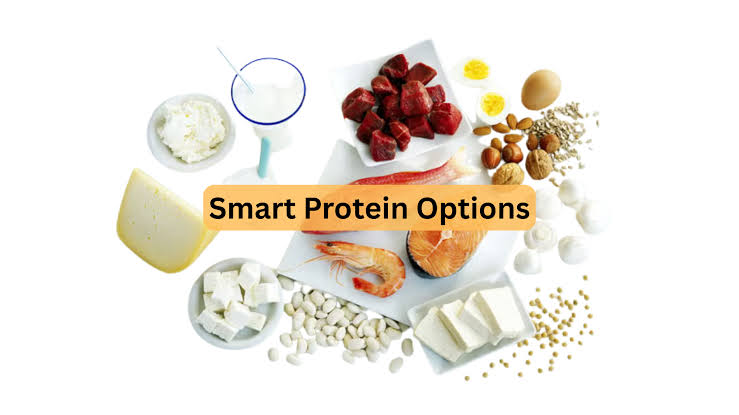
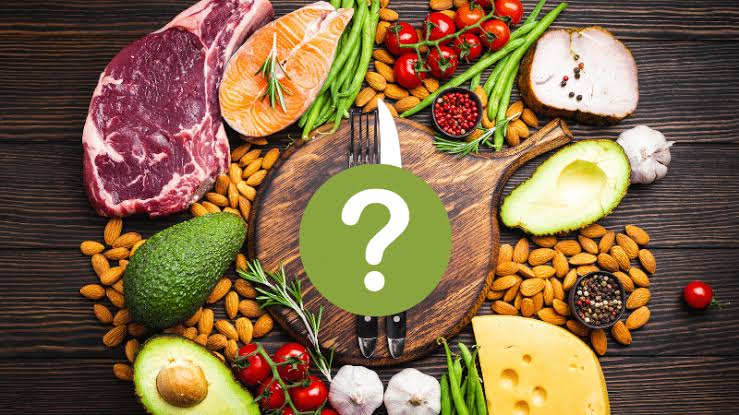
Some of the healthy choices that one can eat in a healthy Indian low-carb diet are eggs, paneer, unsweetened curd, tofu, fish, chicken, nuts, and seeds.
Non-starchy vegetables like spinach, cauliflower, broccoli, cabbage, cucumber, mushrooms, tomatoes, capsicum, and brinjal can take up a significant portion of the meal.
Dal, beans, chickpeas, and millets contain carbohydrates but are also rich sources of fiber, proteins, and micronutrients. The quantity of these foods can be controlled according to the required restriction.
Foods to Limit
A low-carbohydrate diet typically avoids sugar-laden drinks, chocolates, desserts, refined products like white bread and maida, and even processed foods.
Large quantities of white rice, noodles, pasta, and other sources of carbohydrate might have to be cut down considerably.
This is not to suggest that all carbohydrate-containing foods are bad. Fruits, legumes, and cereals are good sources of various nutrients, and most people could have moderate amounts even in a low-carbohydrate diet regimen.
Difference between Low-Carbohydrate Diet & Keto Diet
Though low-carbohydrate and keto diets belong to one family, they are quite different from each other.
A regular low-carbohydrate diet simply means a reduction of carbohydrates. It might also contain a controlled amount of fruits, pulses, cereals, or millets.
A keto diet involves a very stringent restriction of carbohydrates so that the body goes into nutritional ketosis. This requires more dietary care because of the restriction on many foods.
Many people find it easier to follow a moderately low-carbohydrate diet than a ketogenic diet.
Simple Indian Low-Carb Meal Ideas
Breakfasts include moong dal chilla along with curd, paneer bhurji, and egg with vegetables or unsweetened yoghurt with nuts.
Lunches include grilled paneer, chicken, and fish with lots of vegetables and controlled consumption of dal or millet roti. Dinners could be palak paneer, vegetable stir-fry, chicken saag, fish with vegetables, or tofu salad.
Snacks may be limited quantities of nuts, roasted seeds, unsweetened curd, or cucumber.
Possible Side Effects
An abrupt reduction in the amount of carbohydrates could lead to symptoms like headaches, fatigue, weakness, constipation, or altered digestion, especially at the beginning stages.
Very rigid diets could also contain inadequate amounts of fiber, vitamins, and minerals if unnecessary restriction is done on fruits, vegetables, legumes, and whole grain food items.
Persons having conditions like diabetes, kidney disorders, heart diseases, or others, including those who are pregnant or lactating, should take professional advice prior to making any changes in their diet.
My Personal Favorite
What I personally like about a low-carb diet is that it does not have to mean completely removing Indian foods such as dal, roti, or millets. A moderate approach can simply involve reducing refined carbohydrates and controlling portions.
My favorite part is replacing sugary drinks, sweets, and processed snacks with protein-rich foods and vegetables. This makes the diet more practical and easier to maintain than following an extremely restrictive plan.
Conclusion
The low-carb diet involves cutting down on carbohydrates and putting emphasis on proteins, vegetables, fiber, and good fats. The diet is recommended for weight loss, hunger regulation, and glucose metabolism if planned effectively.
The year 2026 will require a low-carb diet plan that will emphasize food quality rather than the drastic reduction of carbohydrates. This involves selecting healthy foods, cutting down on added sugars and carbohydrates, and controlling portion sizes.
About the Author