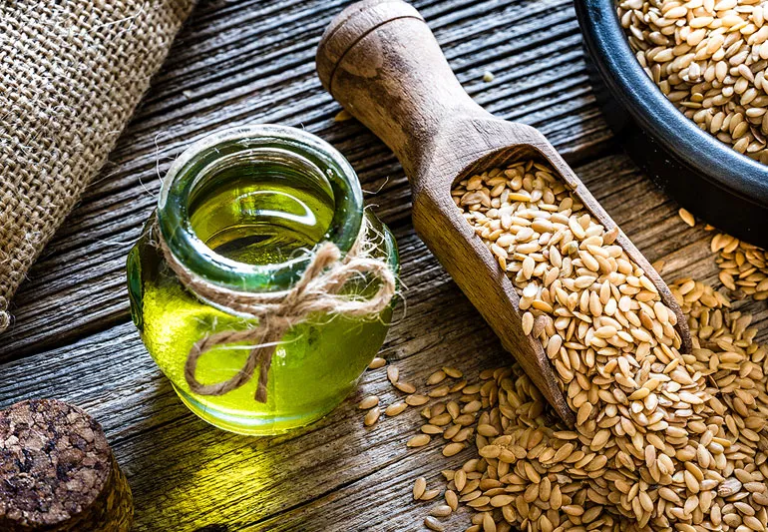
Flaxseed oil (also called linseed oil) comes right from flax seeds and has been getting a lot of attention lately. It’s loaded with alpha-linolenic acid, or ALA, which is a plant-based omega-3 fat. As more people switch to plant-based or healthier ways of eating, it keeps popping up in grocery stores and kitchens everywhere.
What really sets flaxseed oil apart is those omega-3s. Your body needs ALA, but can’t make enough on its own, so you have to get it from food. The catch? Your body isn’t all that great at turning ALA into other omega-3 fats. Even so, working flaxseed oil into your meals is a simple way to boost your healthy fat intake.
There’s a lot of talk about heart health, too. Swapping out saturated fats for flaxseed oil could help your heart. There are studies connecting ALA to better cardiovascular health, but don’t expect flaxseed oil to work miracles by itself. The best bet for heart health is still a diet with plenty of variety—not just relying on a single ingredient.
Some people also try flaxseed oil hoping for glowing skin. It’s true, healthy fats are good for your skin barrier, but results vary from person to person. It’s not a guaranteed fix.
And what about inflammation? Omega-3s help manage inflammation, and flaxseed oil has plenty, but research hasn’t nailed down how much it really helps in everyday life.
For people who don’t eat fish—like vegetarians or vegans—flaxseed oil makes a handy ALA source. Drizzle it on salads, blend it into smoothies, or stir it into cooked dishes (after you take them off the heat), but skip frying with it. It breaks down with high heat and goes rancid fast.
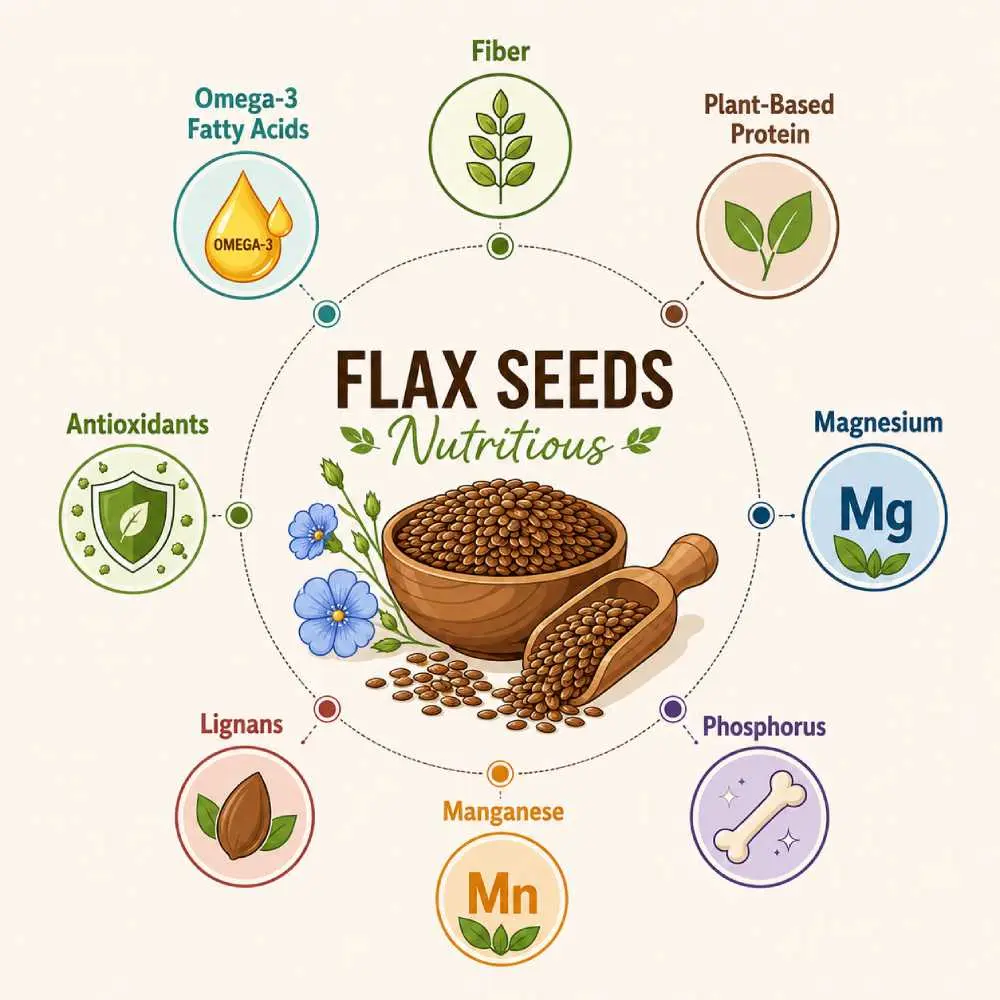
A quick heads-up: flaxseed oil is calorie-dense, so you don’t need much. It’s also missing some of the nutrients and fiber you’d get from eating whole flaxseeds. And if you’re on blood thinners or managing health issues, definitely check in with your doctor before making it a regular thing.
So, here’s the takeaway: flaxseed oil offers plant-based ALA and healthy fat, and it fits well in a balanced diet. It might help your heart or skin a bit, but it’s not a magic solution. Use it alongside other good foods—think veggies, fruits, whole grains, beans, nuts—to really get the benefits.
About the Author