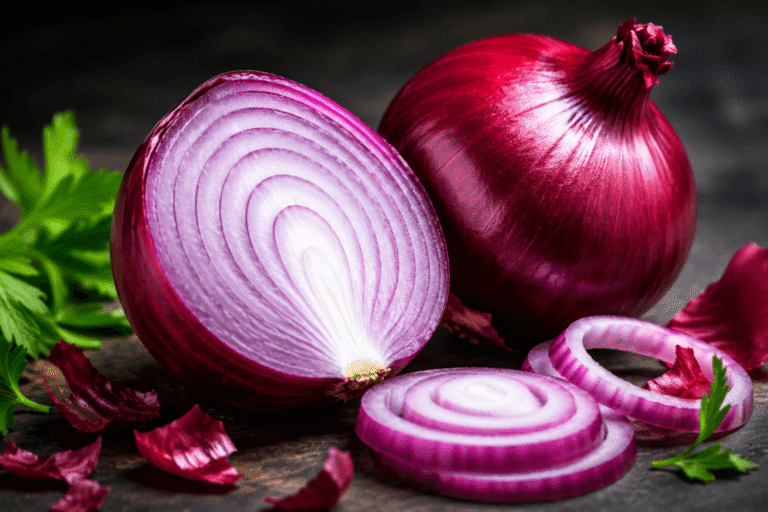
Onion (Allium cepa) is one of the most popular vegetables used worldwide. Onions provide vitamin C, dietary fiber, flavonoids, quercetin, and sulfur-containing compounds, along with the flavours and aromas they add to food. Onions (when part of a balanced diet) can promote several health benefits from these nutrients and plant compounds.
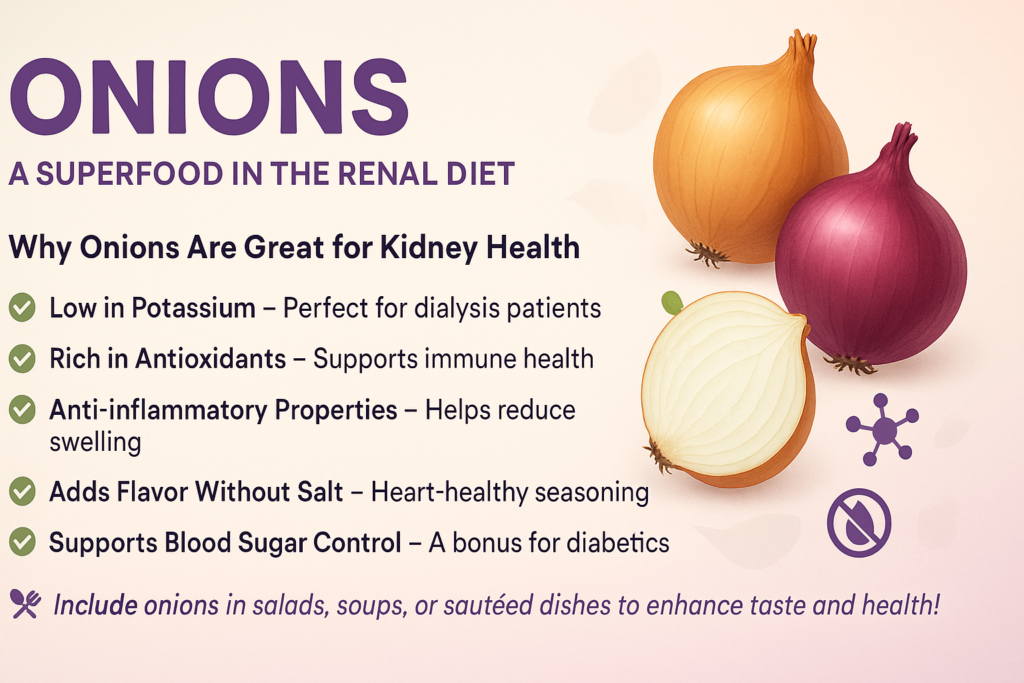
1. Rich in Antioxidants
Onions contain flavonoids like quercetin, along with other antioxidants. These compounds are involved in regulating the oxidative stress induced by reactive molecules. Onions are especially rich in flavonoids, which are well known for their antioxidant properties.
2. Supports Heart Health
Onions should be part of a diet routine and can help promote heart health. Onions contain a variety of flavonoids, including quercetin, which have been studied for their effects on blood pressure, cholesterol, and inflammation. Onions, however, should be part of a heart-healthy diet and not a treatment for heart disease.
3. Promotes Better Digestion
Onions offer dietary fiber and prebiotic compounds that could be used as food for good bacteria. This can aid in maintaining a healthy gut microbiome and regular digestion. However, others might suffer from gas or bloating, especially after consuming raw onions.
4. Supports Immune Function
Onions are rich in vitamin C and phytochemicals providing antioxidant activity. Onion flavonoids are being researched for their biological effects, and Vitamin C is an important nutrient for normal immune-system function.
5. May Promote Bone Health
Onions and their antioxidant properties have been researched for their effects on bone health and bone loss. A few human studies report potentially beneficial relationships, but further research is required for onions to be used as a specific osteoporosis prevention strategy.
6. Contains Potential Anti-Inflammatory Compounds
Research has shown that onions contain phytochemicals, such as quercetin, which have antioxidant and anti-inflammatory effects. These compounds might play a role in the regulation of processes related to oxidative stress and inflammation, but food effects should not be assumed to be medical effects.
Nutritional Value of Onion
A medium onion contains about 45 calories, 3 grams of fiber, 12 mg of vitamin C, potassium, and other micronutrients. It is a relatively low-calorie food that can be easily incorporated into a number of healthy meals.
Conclusion
Onion is more than just a flavor-enhancing vegetable. It is a nutritious ingredient of a balanced diet due to its fiber, vitamin C, quercetin, flavonoids, and sulfur-containing compounds. Daily use can provide antioxidant protection, heart health, digestion, and immune support. Onions should be used in conjunction with a diverse diet and proper medical treatment, however.
About the Author