Fat is a key macronutrient that plays an integral role in health as a whole. It gives us energy, supports the development of cells, helps the body absorb fat-soluble vitamins, and is also involved in the production of hormones and healthy skin and hair. While at a large scale, over-intake of fat does play a role in health issues like obesity and heart disease, at the other end of the spectrum, low intake of dietary fat may also disrupt normal body processes.
Knowing the causes, symptoms, and which health issues may arise from a fat deficiency is a step in the right direction to make better food choices for yourself, which in turn may lead you to seek out the right medical advice if you have questions or issues.
What Is Fat?
Fat is a third primary macronutrient that, along with carbs and proteins, the body requires. It is made up mainly of fatty acids and glycerol and also comes in different types, which are saturated, unsaturated and trans fats.
Saturated fats, which are present in foods like nuts, seeds, avocados, olive oil and certain fish, are usually put forward as having health benefits when included in a balanced diet. Trans fats, on a large scale, in some processed foods should be kept to a minimum.
Fat plays a key role in energy production and, at the same time, gives more calories per gram than carbs or proteins. Also, it is a component of cell membranes, and we have fat to thank for the absorption of vitamins A, D, E and K. Thus, it is very much a requirement for health based on what we get from our diet.
Causes of Fat Deficiency
Fatty acid deficiency may result from a diet low in fat or from the body’s poor absorption of it. Also see:
Very low-fat diets
Severe caloric restriction or quick weight loss diets.
Malnutrition
Eating disorders
Fat-malabsorption disorders
Certain gastrointestinal diseases
Chronic diarrhoea
Intestinal surgery
Cystic fibrosis
Chronic pancreatitis
Bile-related disorders affecting fat absorption
Genetic conditions affecting fat metabolism
Gastrointestinal infections
Some drugs that affect fat absorption.
Excess physical activity which does not have sufficient caloric intake to support it.
Other chronic health conditions affecting nutrition
Signs and Symptoms of Fat Deficiency
The variable manifestations of insufficient diet-related fat depend on the degree of the deficiency and the root cause. May see symptoms such as:
Unintentional Weight Loss Due to low caloric intake, which in turn causes the body to burn stored energy and, as a result, leads to weight loss.
In the case of dry skin, it may be that there is a lack of essential fatty acids, which in turn affects the skin barrier and causes dryness or flaking.
Hair health is affected by poor diet, which in turn may cause your hair to become brittle or to fall out more.
Fatigue: A poor diet which is low in calories and nutrients causes tiredness.
Reduced tolerance to cold: Low body fat and poor energy intake may cause a person to feel much colder than they should.
Severe nutrient deficiencies may impact normal hormone production and menstrual function.
Delayed Tissue Repair: Poor health and poor diet play a role in this.
Nutrient deficiencies may cause the immune system to function below normal.
Vision issues: Poor absorption of fat-soluble vitamin A may cause issues with vision.
Digestive issues: Many times, this is at the root of fat malabsorption, which in turn causes issues like diarrhoea, bloating and other digestive symptoms.
Risk Factors for Fat Deficiency
Some health conditions and dietary practices may cause a person to experience low fat intake or fat malabsorption. These include:
Extremely low-fat diets
Severe calorie restriction
Eating disorders
Chronic gastrointestinal conditions
Malabsorption disorders
Intestinal surgery
Cystic fibrosis
Chronic pancreatitis
Genetic disorders affecting fat metabolism
Persistent gastrointestinal infections
Certain medications
Rampant physical activity without proper nutrition.
Poor overall dietary quality
During times of high nutritional requirement, the lack of which is great.
How Is Fat Deficiency Diagnosed?
Diagnosis usually starts with a medical history, dietary evaluation and physical exam. A health care provider may ask about eating patterns, recent weight loss or gain, digestive issues and also past health issues.
In regard to the cause we are dealing with, we may perform blood tests which will look at nutritional status and levels of fat-soluble vitamins or other relevant markers. Should we suspect fat malabsorption or a gastrointestinal issue, we may recommend additional studies which may include imaging or endoscopic procedures.
Identifying the root cause is key, as sometimes increasing fat in the diet will not correct a deficiency, which may be a result of an absorption issue or some other health problem.
Complications of Untreated Fat Deficiency
Persistent low fat intake or issues with fat absorption, which in turn may cause:
Significant weight loss
Malnutrition
Reduced immune function
Hormonal disturbances
Skin problems
Delayed wound healing
Fatigue and weakness
Poor intake of vitamins A, D, E and K.
Digestive problems
Bone-health concerns
Neurological complications related to nutritional deficiencies
Impaired growth in children
Reproductive health problems
Muscle weakness
Persistent diarrhoea
Increased sensitivity to cold
The issue is that which complications present is based on the degree and length of the deficiency as well as its root cause.
Treatment for Fat Deficiency
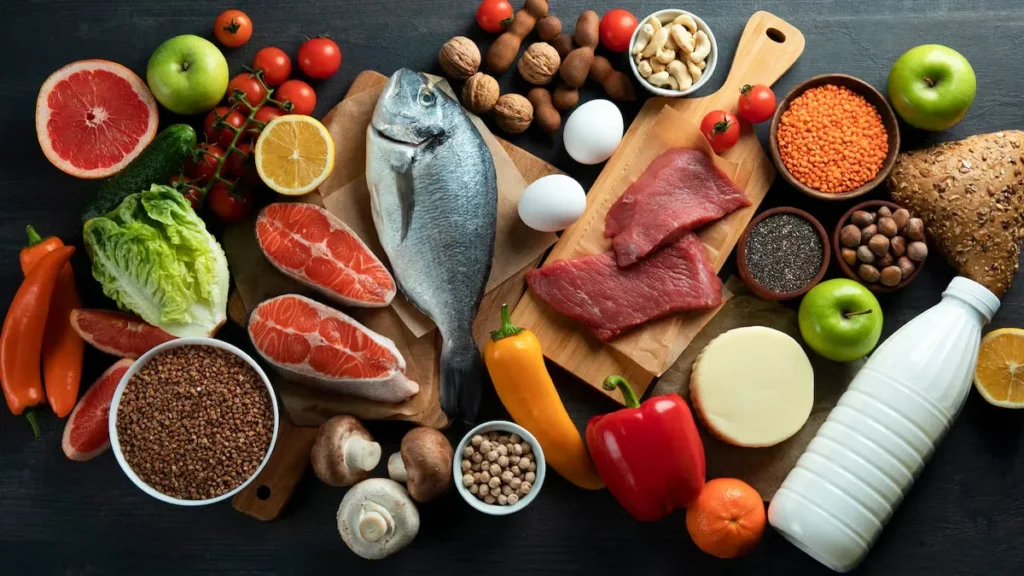
Treatment will depend on what has caused the deficiency. If it is due to poor diet, a health care provider or registered dietitian may recommend a gradual introduction of healthy fat foods.
In a balanced diet, you will find:
Avocados
Almonds, walnuts and other nuts
Chia and flaxseeds
Olive oil
Fatty types of fish like salmon and mackerel.
Eggs
Nut butters
Yoghurt and other suitable dairy products
Soy-based foods
Seeds and their oils
If medical conditions are the cause of fat deficiency, which in turn interfere with absorption, treatment of that base condition is a key part of the management. Also, at times health care professionals may recommend supplements when we see specific nutrient deficiencies.
Foods Rich in Healthy Fats
Avocados
Almonds and walnuts
Chia seeds
Flaxseeds
Olive oil
Fatty fish
Eggs
Peanut or almond butter
Yogurt
Cheese
Soybeans and soy products
Seeds
Ghee and butter in appropriate amounts
Selecting a wide range of fats will also present your body with a variety of fatty acids and other nutrients.
Prevention of Fat Deficiency
A healthy diet may prevent low fat intake. This also includes:
Include healthy fat in your daily meals.
Avoid unnecessarily restrictive diets.
Maintain adequate calorie and nutrient intake.
Eat a wide range of whole and unprocessed foods.
Include nuts, try out seeds, fish, plant oils and other good sources of fat.
Discuss with your health care provider on going gut issues.
Adhere to dietary advice for present medical issues.
Get professional nutrition advice when on a specialised diet.
Limit excessive alcohol consumption.
During times of high physical or dietary demand, pay attention to nutrition.
Key Takeaways
Fat is a key nutrient which we get from our diet; it gives us energy, helps to build our cells, is a component of hormones, and we need it for the absorption of vitamins A, D, E and K. While intake of some types of fat in large amounts is harmful to health, not getting enough fat in your diet or issues with absorption may also present health issues.
Symptoms may present as weight loss, dry skin, hair changes, fatigue and digestive issues. In the case of persistent deficiency, this may also include issues with vitamin absorption and other body functions. Treatment is based on the root cause, which may be improved by a better diet, fixing an absorption issue or use of supplements as directed by a health professional.
Conclusion
Fat should be included in the diet, which is not to say we should eliminate it, as the body has a number of key functions that require fat. In a balanced diet, we include the good fat sources, which in turn support how we use energy, how we absorb our nutrients and also our health as a whole.
People who have unexplained weight loss, persistent digestive issues, nutritional deficiencies or any other out-of-the-ordinary symptoms should see a qualified health care professional. It is important to identify and treat the base cause, which in turn will help to prevent issues that may arise from insufficient fat intake or absorption.
FAQs
Q: What kinds of fat do we have in our diet?
A: The main types of fats are saturated, unsaturated and trans. Unsaturated fats are a type of fat which you find in foods like nuts, seeds, avocados, vegetable oils and fish.
Q: What is my daily fat intake?
A: The right amount varies by person’s caloric requirements, age, health condition and diet. A health care provider or registered dietitian may give you personal advice.
Q: Can lack of fat in diet be a serious issue?
A: Persistent low fat intake or issues with fat absorption may result in deficiencies of nutrients, weight loss, and also other health concerns. The severity depends on the cause and how long it has been going on.
Q: Is fat in all cases bad?
A: Fat is a necessary nutrient. What type and how much of it you have matters, and some foods which contain unsaturated fats may be included in a balanced diet.
Q: What can I do to increase my intake of healthy fats?
A: You may include in your diet foods like avocados, nuts, seeds, olive oil, fatty fish, eggs and also some dairy products as part of a healthy eating plan.
Disclaimer: The information presented in this article is for general educational use only. Do not consider it as medical advice or a substitute for professional health care, which can only be provided by a certified doctor. Health issues which you have may have various causes, and a proper individual assessment is recommended. Should you suffer from constant, severe or atypical symptoms, we recommend that you see a health care professional for accurate diagnosis and treatment.
About the Author