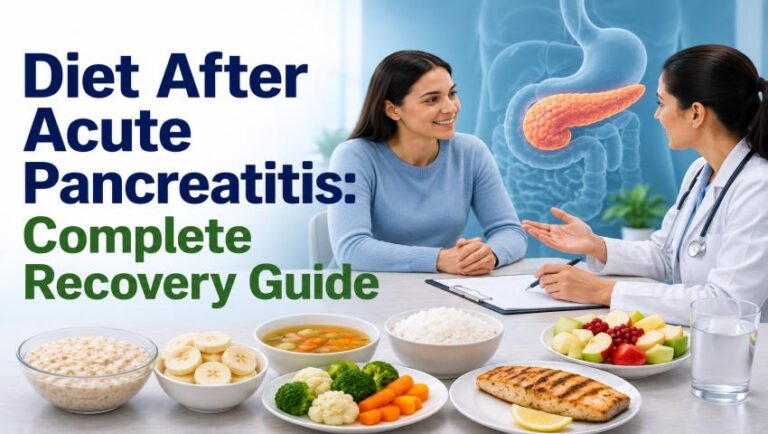
Acute pancreatitis is a quick onset of inflammation of the pancreas and will need medical treatment in most instances and hospital admission in many cases. A person’s diet is very important during recovery. Current guidelines recommend early oral feeding on a low-fat diet that is tolerated, and not prolonged fasting.
What is the Acute Pancreatitis Diet?
The acute pancreatitis diet aims to give the right nutrition while reducing the amount of foods that may be hard to tolerate, particularly fatty foods. The American College of Gastroenterology guidelines for mild acute pancreatitis include the initiation of a low-fat solid food diet about 24-48 hours after the onset of the pancreatitis, if it is tolerated, rather than waiting for pancreatic enzyme levels to return to normal.
Foods to Eat
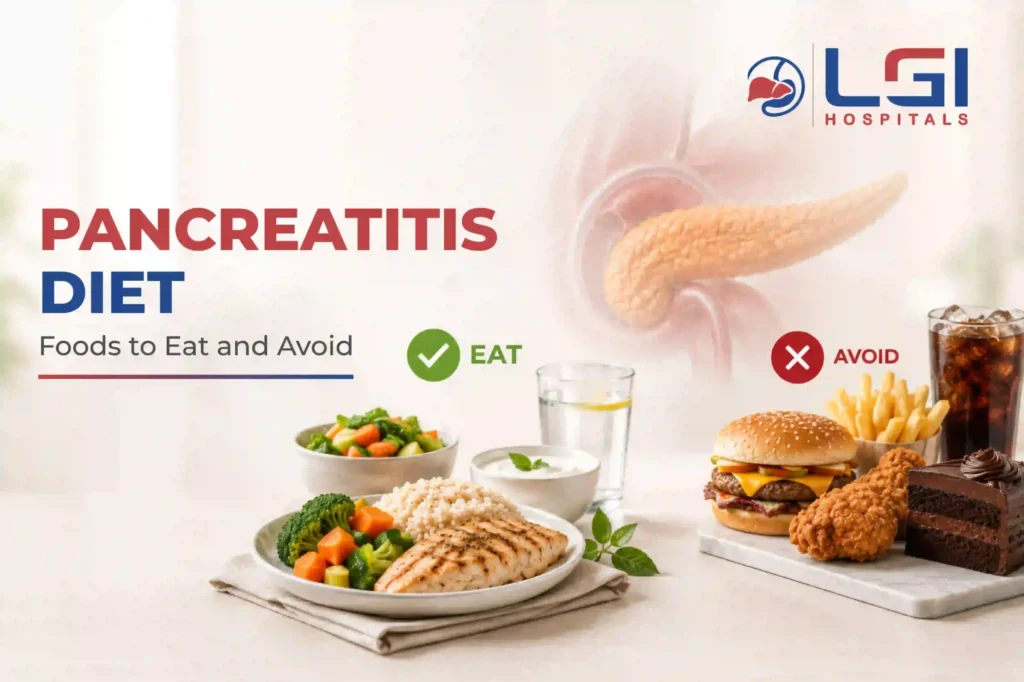
For recovery, low-fat foods, soft foods, rice, oats, potatoes, bananas, applesauce, vegetables, whole grains, and lean protein (such as skinless chicken or fish) are good options. Smaller meals can also be easier to tolerate than large meals.
Foods to Avoid
Generally, fatty foods should be limited, especially foods that are fried, fatty meats, full-fat dairy products, butter, cream, rich gravies, pastries, and other foods that are very greasy. Also, alcohol should be avoided, as alcohol consumption can be a factor in pancreatitis and recurrent attacks. It really depends on the medical advice and the cause of the restriction.
Early feeding is crucial
Early feeding is very important.Long-term fasting for mild acute pancreatitis is no longer being routinely advised. Gastroenterology guidelines suggest that early oral feeding is safe and may shorten hospital length of stay. Sometimes an appropriate low-fat solid or soft diet is used as the initial diet; clear liquids do not always need to be done first.
The diet for Severe Acute Pancreatitis
Those who have moderately severe or severe pancreatitis may not be able to eat normally. If oral feeding is not possible, then enteral nutrition via a feeding tube is usually the preferred route over intravenous parenteral nutrition in these situations. The treating medical team should be responsible for nutrition support.
Helpful Dietary Tips
Small and frequent meals, low-fat and easy-to-digest food. Stay hydrated by drinking plenty of water (as directed by your doctor) and not drinking alcohol. For most people, foods can be introduced slowly, as tolerance and medical guidance permit, over the course of recovery.
Conclusion
The focus of the acute pancreatitis diet 2026 is on early feeding, low-fat foods, a personalized approach to dietary management, and avoiding extended periods of abstinence. But acute pancreatitis can be severe and shouldn’t be treated with diet alone. If you have been diagnosed with acute pancreatitis, follow a doctor or dietitian’s recommended diet plan.
About the Author