Carbs are one of those things your body just can’t do without. They’re in so much of what we eat—rice, roti, bread, potatoes, fruits, veggies, pulses, and grains. After you eat them, your body turns carbs into glucose, which keeps your energy up and your brain working. Skip out on carbs for too long, and you’ll start feeling run-down. Your overall nutrition takes a hit too.
Carbohydrate deficiency? That’s just not getting enough carbs for what your body needs. Cutting back on sugary or super-processed carbs is one thing, but skipping all carbs is a whole different story. Low-carb diets can work if you plan them well, but when you dial back way too far, it gets almost impossible to get enough fiber and the important nutrients found in grains, fruits, veggies, and pulses.

If you suddenly cut down on carbs, you usually don’t feel great. People talk about feeling tired, dealing with headaches, weakness, irritability, or brain fog—especially right when they start a low-carb diet. And if you work out a lot, you’ll probably notice your energy drops fast, since your muscles run on carbs. For people with diabetes who use insulin or some medications, going too low on carbs can even make blood sugar crash, which is dangerous.
There’s another catch with super low-carb eating—you miss out on fiber. Foods like whole grains, fruits, veggies, beans, and lentils don’t just give you carbs; they also give you fiber, vitamins, and minerals. The World Health Organization actually says to get most of your carbs from whole grains, veggies, fruits, and pulses.
How much should you eat? That depends—your age, health, and how much you move all make a difference. Most adults are told to get 45–65% of their calories from carbs, or around 130 grams a day. But honestly, these are just guidelines, not hard and fast rules.
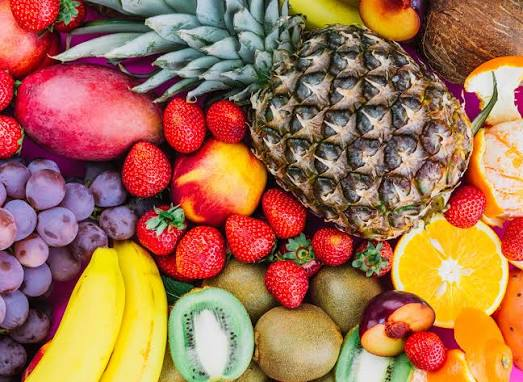
When you think about carbs, the real game changer is the quality. Pick brown rice, oats, whole-wheat roti, millets, fruits, veggies, beans, and lentils. These foods bring carbs along with vitamins, minerals, and all the good stuff your body needs.
Honestly, carbs get a bad rap they really don’t deserve. They aren’t automatically unhealthy. What actually matters is the kind you choose and how much you eat. Swapping out processed snacks for whole grains, fruits, veggies, and pulses just makes sense—it’s better than cutting out carbs entirely. And if you’re considering a very low-carb diet, especially with any health conditions, it’s worth talking to a professional first.
At the end of the day, a balanced diet with smart carb choices helps you power through life and stay healthy—without ditching the foods you enjoy.
About the Author