Know About High-Fibre Diet In 2026: Why Your Grandmother’s Kitchen Had It Right All Along
Rediscovering an Old Idea With New Urgency
Every Indian kitchen already has fibre sitting in it, we just don’t think about it that way. Dal on the stove, bajra rotis on the tawa, bhindi sabzi next to rajma chawal. In 2026, with everyone chasing fancy supplements and imported superfoods, a lot of nutritionists are quietly pointing back at this stuff instead.
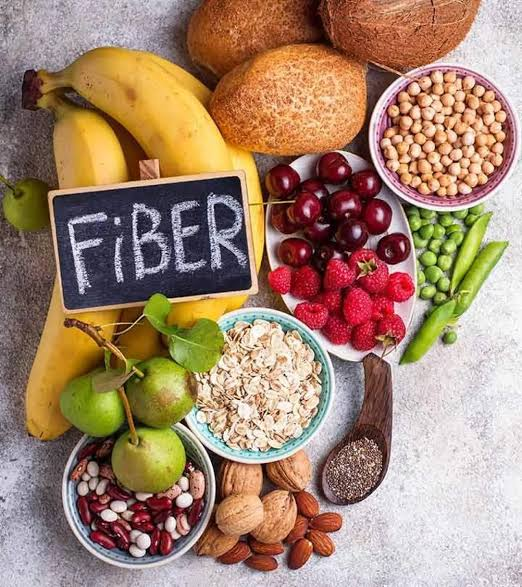
A high-fibre diet isn’t some strict plan with rules and cheat days. It’s mostly about eating more pulses, millets, vegetables and fruit, and less of the refined, processed stuff. You don’t have to throw out your thali. You just rearrange what’s on it.
The two kinds of fibre nobody explains properly
There’s soluble fibre, which comes from oats, fruits and legumes, and helps keep cholesterol and blood sugar in check. Then there’s insoluble fibre, found in whole grains and vegetable skins, which basically adds bulk so digestion runs smoothly. Most home-cooked Indian food has a mix of both already, as long as it isn’t too polished or processed.
What should actually go on your plate
Start small. Swap white rice or maida rotis for jowar, bajra or ragi. Add a bowl of dal, chana or rajma to lunch and dinner. Fill half the plate with vegetables — spinach, lauki, methi, okra, whatever’s in season. Eat fruit with the skin on when you can, apple and guava work well, and toss in a handful of almonds or flaxseeds if you feel like it.
Fried snacks, sugary drinks and packaged food aren’t “banned,” but when they start replacing actual meals instead of just being an occasional treat, that’s when fibre intake quietly drops.
Why bother with any of this
The obvious benefit is digestion, but there’s more to it. Fibre keeps you full longer, so you naturally eat less without trying to. People who stick with this kind of eating often notice their energy feels steadier through the day, and cholesterol numbers tend to improve too, since fibre soaks up some of the excess fat and sugar as it moves through the gut.
Don’t rush it
This is where people mess up. Going from almost no fibre to a lot of fibre in a week or two usually backfires — bloating, gas, discomfort, the works. Better to increase it slowly over a few weeks and drink more water than usual while you’re at it. Also worth remembering: fibre alone won’t do much if the rest of your plate is missing protein and fat. It works best as part of a balanced meal, not a standalone fix.
Bottom line for 2026
Nobody needs quinoa flown in from South America or a tub of fibre powder to eat better this year. A regular thali with dal, seasonal sabzi, millet roti and some fruit already covers most of what nutritionists are recommending. Turns out the healthy habit was already on the table.
About the Author