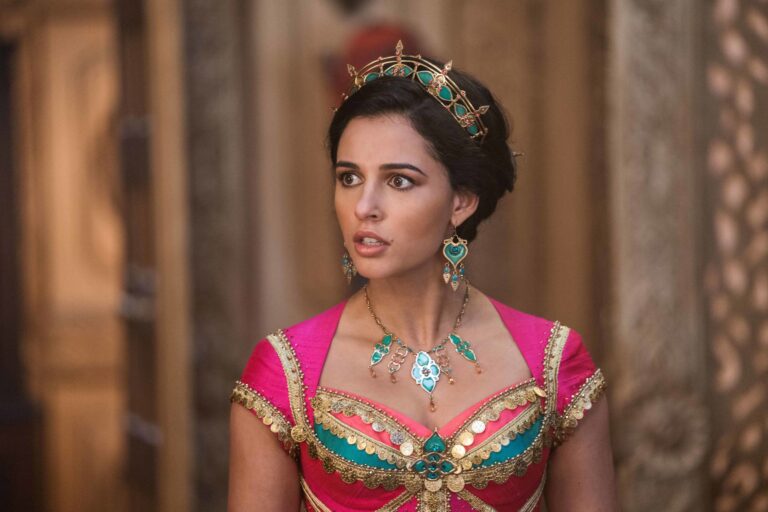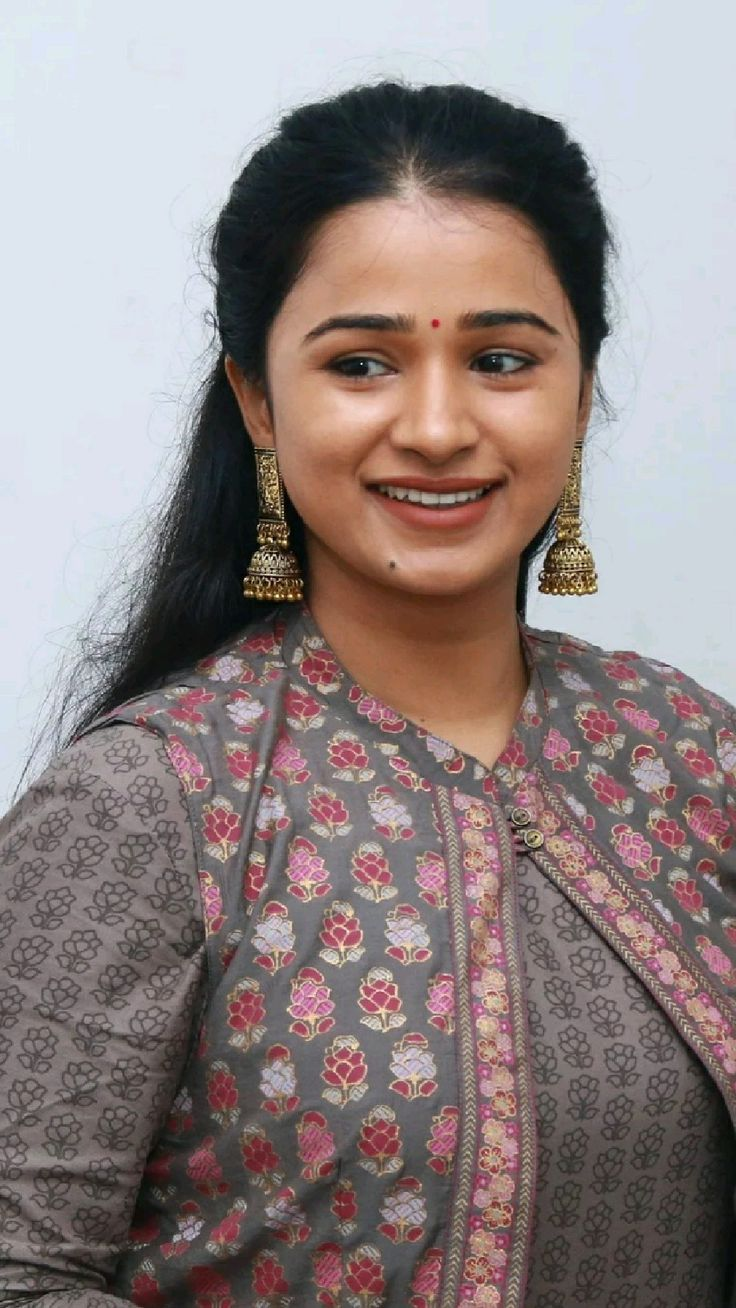
The Kaveri River is very much at the core of the Kodava culture and spirituality in Kodagu, which also goes by the name of Coorg in Karnataka. Beyond supplying water to the area what the river does is to tie into local beliefs, family traditions and wedding customs. We see in the practice that Kodava women put on their sarees in a very unique style which, according to folklore, is tied to the sacred river.
The Legend Behind the Kodava Saree
In a popular Kodava story that is told, Goddess Kaveri left her husband, the sage Agastya, and became a river. The people of Kodagu requested that the God stay with them forever, which she did by providing them plenty of water through her river’s flow.
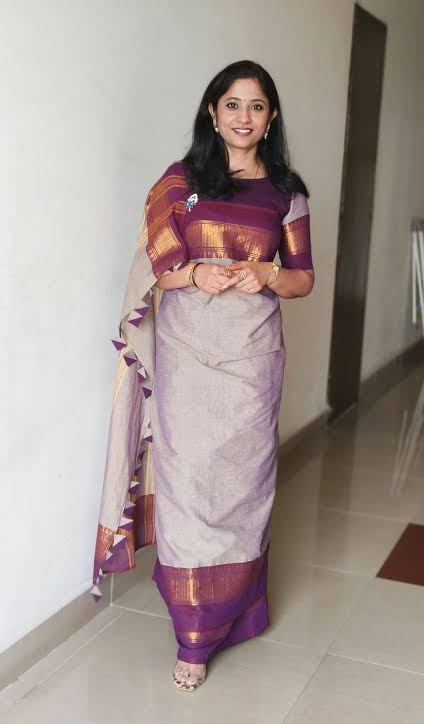
The traditional Kodava saree’s style of draping is explained in the piece. What we see here is different from the usual Indian style: the pleats are at the back, and the leftover end, which is left loose, is pinned at the right shoulder. As per the folklore, the river’s current put forth this unique design.
Although this may be a product of local tradition as opposed to proven history, it still is a large component of Kodava cultural identity.
The Traditional Kodava Bridal Look
A Kodava bride’s choice of attire is a display of grace, family heritage, and community pride. She typically wears rich silk sarees in red or pink, which she styles in the traditional Kodava way. Also included are a long-sleeve blouse and a fine musku, which is a type of veil.
Jewellery is a very important element. In the case of the kokkethathi which is a crescent shaped pendant that which is very much a recognized piece of the Kodava women. Also, it is not uncommon for brides to wear traditional gold accessories and family heirlooms which have been passed down through the generations.
For in many families, what we see is that a bride wears her mother’s or grandmother’s saree, which in turn ties the bride to her family’s heritage.
The River’s Place in Wedding Rituals
In terms of weddings, Kaveri and Kodava have much in common. Rivers are worshipped as goddesses, which we see in the prayers that ask for prosperous lives. Also, within family customs, we see how past ancestors are honored to keep the tradition of ancestor veneration very present.
Kaveri Sankramana, which takes place in mid-October at Talakaveri, marks the commencement of the river’s waters. The holy water, which we term theertha, is preserved in Kodava homes and is of great spiritual importance.
Preserving a Living Heritage
In 2026, Kodavas still will be seen to have very much the same affinity for nature, mythology and family identity in their wedding practices. Although we see present-day weddings that have adopted modern trends and personal choice, what we do see is that the classic saree drape and traditional jewelry are very much alive as cultural symbols.
The story of the Kaveri River is a tale of how natural features shape the culture of a community. In each detail of design, in every family ritual, the Kodava pre-wedding practices, which are a treasure of culture, continue to be passed on to the next generation.
About the Author