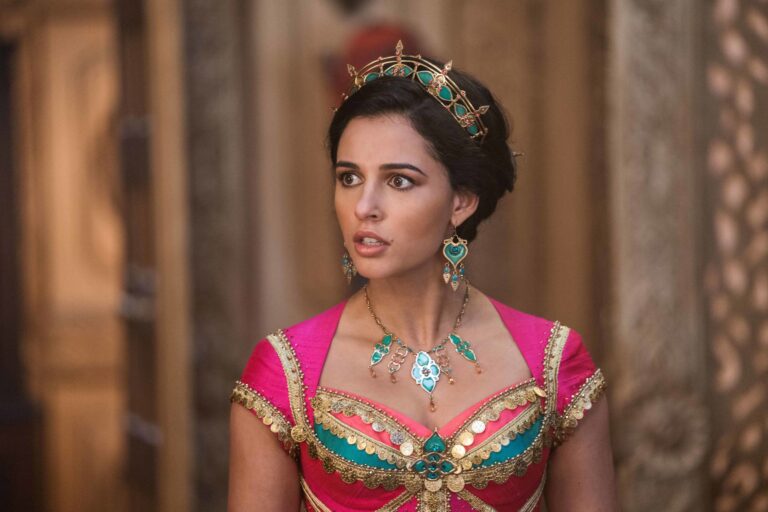
The tales, bravery, and self-sufficiency of Disney princesses have been motivating generations. One of them is Aladdin’s most beloved character, Princess Jasmine. But Jasmine isn’t an official Indian-American princess. She appears in Disney movies in a fictional culture on scree, she has sparked discussions about Disney’s portrayal of that culture.
What is the name of the princess?
Princess Jasmine is a prominent role in Disney’s 1992 animated movie Aladdin. Her father is the Sultan of the Fictional kingdom of Agrabah. Jasmine is a smart, brave, self-reliant woman who doesn’t wish to live up to royal expectations.
Does the Indian-American Princess, Jasmine, exist?
Jasmine is NOT an Indian-American princess. The story is set in Agrabah, a city that was created by a fusion of cultures. Some aspects of her character may look familiar to Indian audiences due to her South Asian heritage, but that doesn’t make her an Indian character.
Why does an Indian-American Audience relate to Jasmine?
Some of Jasmine’s looks, colors, clothes, jewellery, and the beautiful palace settings might be familiar to some South Asian audiences. Also, her attitude of self-determination and opposition to having her destiny determined by others can echo other cultures. But audience members can have a different impression as for the character of her character.
Naomi Scott’s Indian Heritage and Jasmine’s Representation
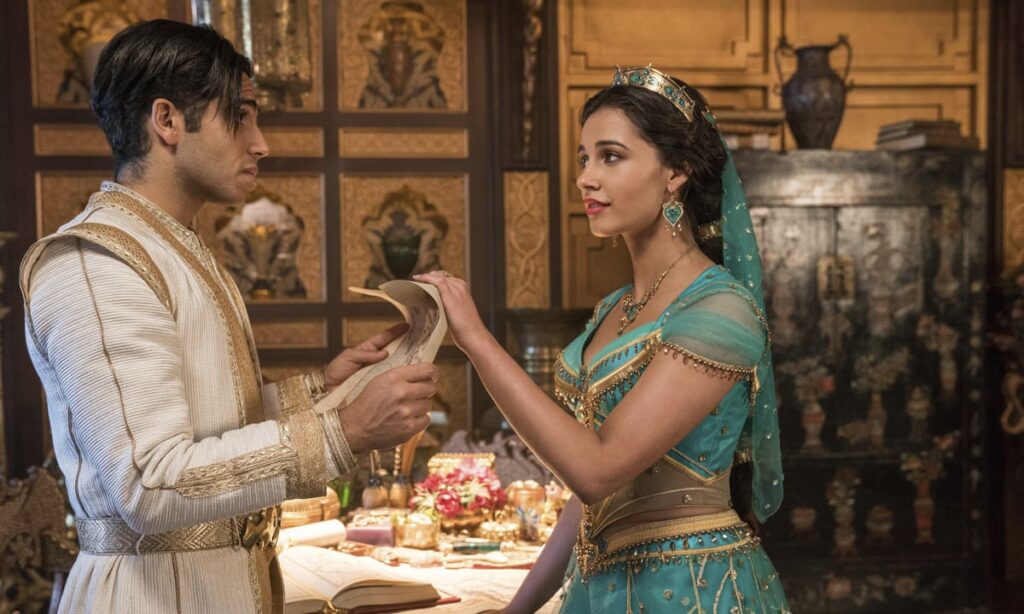
Aladdin is a 2019 live-action Disney film starring Naomi Scott as Jasmine. Scott is of Indian origin, as her mother is Gujarati Indian. Some viewers identified with the character more through her casting, but the casting helped some viewers feel more connected with the character. However, Jasmine’s real-life birthright doesn’t affect her fictional background.
Jasmine is the one who got Independence and a strong personality
One thing that sets Jasmine apart is that she defies the stereotypes and wants to make choices in her life that have significance. She longs for a life other than life within the palace and to use her position to help those of Agrabah. Her attributes make her a great role model for people of all cultures.
Why does Disney need an Indian-American Princess?
There is a certain point of connection for some South Asian audiences at this point, but her story doesn’t give any sort of specifically Indian-American perspective. A princess whose story is a true account of Indian-American family issues, traditions, and identity may present another kind of representation. This kind of character would be able to rejoice in Indian diversity without resorting to cultural caricatures.
Conclusion
While Princess Jasmine might be one of Disney’s most relatable characters to some Indian-American and South Asian viewers, she’s by no means an Indian-American princess. Her bravery and self-reliance are appreciated, and her persona strongly represents the significance of cultural representation in animation.
About the Author