One of the most common questions about Hinduism is: Who founded Hinduism? Unlike religions that began with a particular historical founder or prophet, Hinduism does not have one identifiable founder. It developed gradually over thousands of years through diverse religious, philosophical and cultural traditions in the Indian subcontinent.
Therefore, asking for a single “founder of Hinduism” can be misleading. Hinduism is better understood as a broad family of traditions that evolved over a long period.
Also Read: How to get an Insurance Agent License in India In 2026
Does Hinduism Have a Founder?
No, Hinduism does not have a single founder.
There is no historical figure who can be identified as the person who established Hinduism as a religion at a particular point in time. Instead, its traditions developed through contributions from numerous sages, teachers, philosophers, poets and religious communities.
The term Hinduism itself is relatively modern compared with the antiquity of the traditions it describes. Many practitioners historically identified themselves through particular traditions, philosophies, deities, communities and practices rather than using “Hinduism” as the name of a single organized religion.
How Did Hinduism Begin?
The origins of Hindu traditions are complex and cannot be traced to one exact date.
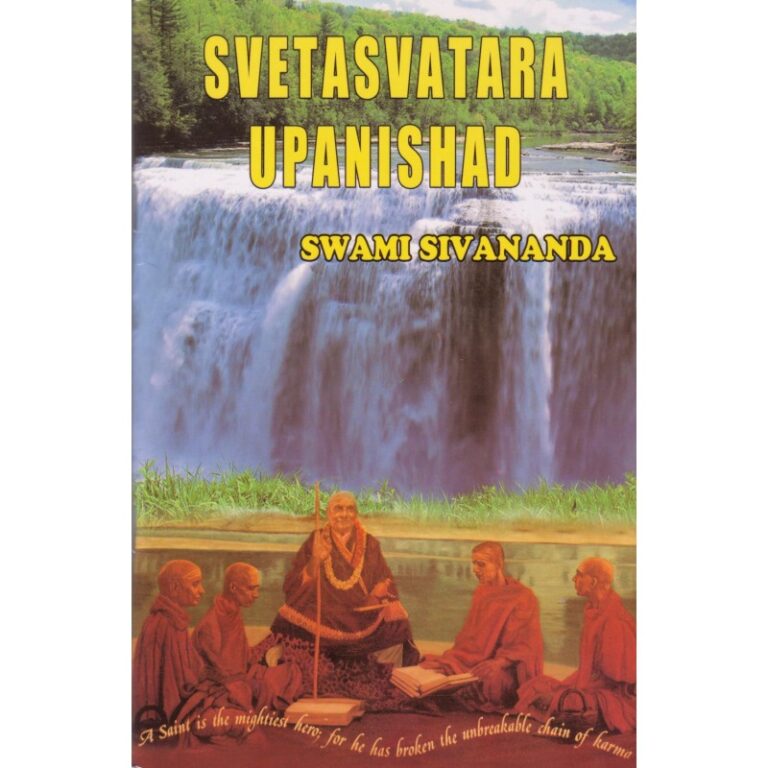
Early developments are associated with ancient Indian religious traditions, including those reflected in the Vedas, which are among the oldest surviving sacred texts of Hinduism. Vedic traditions developed over centuries and later interacted with and evolved into diverse philosophical and devotional traditions.
Important stages in the development of Hindu traditions include:
- Early Vedic religious traditions
- Development of the Upanishadic philosophical traditions
- The emergence of epic traditions such as the Ramayana and Mahabharata
- Development of major Puranic traditions
- Growth of devotional movements
- Development of traditions such as Shaivism, Vaishnavism and Shaktism
- Contributions from numerous philosophical schools and regional traditions
The Role of the Rishis
Although there was no founder, Rishis, or ancient sages, played an important role in preserving and transmitting sacred knowledge.
The Vedic tradition traditionally associates many hymns with particular rishis. Figures such as Vishvamitra, Vasistha, Atri, Bharadvaja and Gautama are among the sages associated with Vedic literature.
In traditional Hindu understanding, the Vedas are often regarded as Shruti, meaning sacred knowledge that was “heard” or revealed to ancient seers rather than authored by an individual in the ordinary sense.
Important Figures Who Shaped Hindu Thought
Several influential figures contributed to Hindu philosophy and religious traditions, but they should not be described as founders of Hinduism.
Vyasa
Vyasa is traditionally associated with the compilation or arrangement of the Vedas and is credited with a major role in the Mahabharata. Tradition also associates him with the composition of various Puranas.
Adi Shankaracharya
Adi Shankaracharya, traditionally dated to the early medieval period, was a major philosopher associated with Advaita Vedanta. His teachings emphasized the non-dual nature of ultimate reality and had a profound influence on Hindu philosophical thought.
Ramanuja
Ramanuja was an influential philosopher associated with Vishishtadvaita Vedanta, a school that emphasizes a qualified non-dual understanding of reality and devotion to the divine.
Madhvacharya
Madhvacharya developed the Dvaita Vedanta tradition, which emphasizes a fundamental distinction between the individual soul and the Supreme Being.
These teachers shaped particular philosophical schools rather than founding Hinduism as a whole.
Why Is Hinduism Sometimes Called Sanatana Dharma?
The term Sanatana Dharma is often translated as “eternal dharma” or “eternal order.” Many Hindus use the term to describe their religious and philosophical way of life.
The concept emphasizes principles of dharma, spiritual practice, ethical living and the pursuit of ultimate truth. However, Hindu communities differ in how they understand and use the term.
Is Hinduism the Oldest Religion in the World?
Hindu traditions are among the world’s oldest continuously practiced religious traditions. However, describing Hinduism simply as the “oldest religion” can oversimplify a complicated historical question because religions evolve continuously and the modern category of Hinduism encompasses many ancient traditions.
Its antiquity is particularly evident in the long history of Vedic literature, philosophical texts, epics, devotional traditions and ritual practices.
Also Read: Top 10 Hardest Exams In 2026
Conclusion
Hinduism has no single founder. Instead, it developed over thousands of years through the contributions of ancient Vedic traditions, rishis, philosophers, devotional movements and diverse religious communities. Figures such as Vyasa, Shankaracharya, Ramanuja and Madhvacharya played important roles in particular traditions, but none can accurately be described as the founder of Hinduism itself.
Understanding this decentralized and evolving history is essential to understanding why Hinduism contains such a wide variety of beliefs, philosophies, rituals and forms of worship in 2026.
About the Author