Freddie Mercury is still the preeminent figure in rock music, known for his amazing voice, stage presence, and unapologetic artistry. In 2018’ release of the biographical film Bohemian Rhapsody which did very well brought back to the fore his life story which in 2019 also saw actor Rami Malek take home the Academy Award for Best Actor. Beyond the great performance, the film also told the in-depth story of Mercury’s upbringing, cultural heritage, and rise to global music stardom.
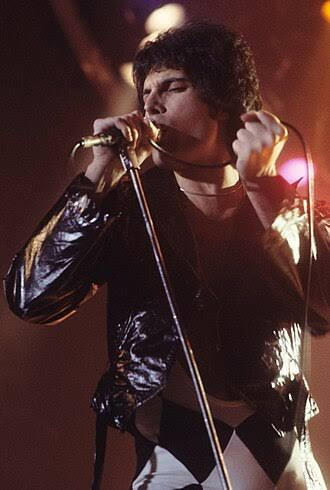
From Farrokh Bulsara to Freddie Mercury
Freddie Mercury was born as Farrokh Bulsara on September 5, 1946, in Zanzibar. He was from the Parsi community, which practiced Zoroastrianism. As a child, he attended St. Peter’s School in Panchgani, Maharashtra which is where his interest in music took root and also where he learned to play the piano.
In the early years which he spent in Zanzibar and India, he was shaped by those experiences which in turn formed his background. Once he took up residence in England, that is when much of his public identity, which became international, took off. His transformation from Farrokh Bulsara to Freddie Mercury is a study in the complex issues of identity, belonging, and self-expression.
The Man Behind Queen’s Greatest Hits
Mercury stepped up to lead Queen, which was the British rock band that was put together in 1970 by guitarist Brian May and drummer Roger Taylor. Bassist John Deacon came into the band in 1971. What they did was develop a unique sound that included rock, opera, and theater in their arrangements, as well as very catchy tunes.
Songs that include Bohemian Rhapsody, We Are the Champions, Somebody to Love, and Don’t Stop Me Now still reach out to new generations. At Live Aid in 1985, Mercury’s performance is especially noted for his stage presence and how he connected with the audience.
The Oscar-Winning Portrayal
In Bohemian Rhapsody, Rami Malek played the role of Freddie Mercury in his unique movements, vocal tics, and stage presence. Malek won Best Actor at the 2019 Academy Awards, which in turn brought a revival of interest in the singer’s life and work.
Although the movie brought Mercury to the attention of many young fans, some critics found that it did, in fact, simplify elements of his early life and culture. What is not included — his upbringing, his Parsi background, and time spent in India — provides context for the man beyond the legend.
Freddie Mercury’s Lasting Legacy
Mercury went to his death on November 24, 1991 at which time he also lost to AIDS related issues. At his passing, which was in 1992, a great tribute concert was held at Wembley Park, organized by his band members and associates to honor his work and bring attention to HIV/AIDS.
The Man Behind the Oscar takes us off the red carpet and out of the limelight to look at what shaped Freddie Mercury’s culture, his growth as a person, and what made his music great.
About the Author