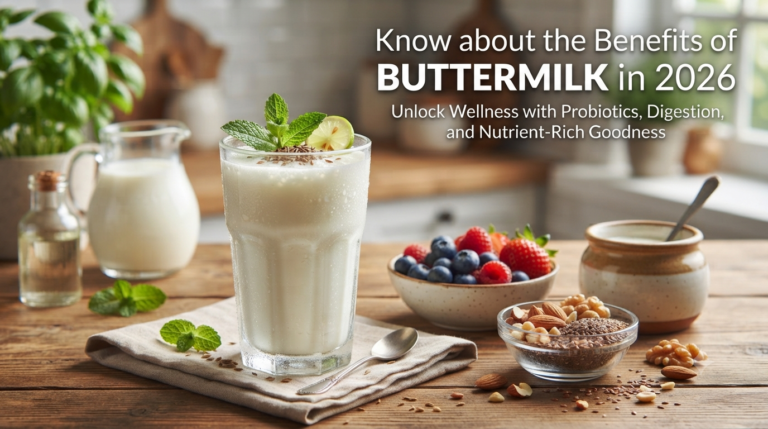
As the summer heat increases, it is a no-brainer that many Indians would turn to a glass of cold buttermilk. For me, the simple aroma of curd, water, roasted cumin and coriander takes me back to simple home-cooked dishes. However, this simple beverage may be more than a refreshing drink, as it can actually be part of a healthy diet.
In 2026, buttermilk continues to be an easy and affordable way to add dairy nutrients to everyday meals. But it’s important to know what it can, and cannot, do to improve your health.
What Is Buttermilk?
The term buttermilk is a bit of a conundrum. It was traditionally used to describe the liquid that remains following churning of butter from cream. The modern practice of manufacturing cultured buttermilk involves fermentation of milk using cultures of bacteria. In Indian houses, however, a beverage, which is commonly known as chaas or mattha, is frequently made by whisking curd into water and incorporating spices.
This distinction is important as the nutritional content may differ according to the way the product is prepared.
6 Potential Benefits of Buttermilk
1. Provides Important Dairy Nutrients
Cultured buttermilk can be a source of protein, calcium, riboflavin (vitamin B2), vitamin B12 and other nutrients. One cup of cultured buttermilk has an estimated 8g of protein and a high level of calcium and B vitamins.
Calcium is especially needed for bone and teeth growth. The dairy group is known to be a good source of calcium and some other nutrients, such as protein and potassium.
2. May Support Digestive Health
Depending on the fermented dairy foods and how they are processed, they may contain beneficial microorganisms. Probiotic microorganisms are linked to interactions with the gut microbiome and play a role in a healthy microbiome.
Some people also tolerate cultured dairy better than regular milk due to the fact that some of the lactose is reduced through fermentation. Buttermilk, however, can make no claim to being a universal cure for lactose intolerance, and the case of every person should be considered.
3. A Refreshing Way to Add Fluids
The traditional glass of chaas is rich in water and is a refreshing drink with meals, especially in the hotter part of the year in India.
Buttermilk should be used in addition to simple water and not as a substitute for it, however. Water is needed for proper functioning of the body, such as temperature regulation and digestion.
4. Can Contribute to Bone Health
Dairy foods are a source of calcium and phosphorus, which are important for preserving teeth and bones. Including suitable dairy foods like buttermilk in the diet can help to raise dietary calcium when the overall diet is low in calcium.
One food is not enough to prevent osteoporosis or to ensure strong bones, though. Even overall nutrition, physical activity, and other lifestyle factors are important.
5. Can Be a Light Alternative to Sugary Drinks
Buttermilk without sugar can be used as a substitute for soft drinks or drinks that are very sweet. If you do not have to add any sugar, a homemade version using curd and water, cumin, coriander and a little salt can do the trick.
This can come in handy when you’re looking for a nutritious beverage without overhauling your diet.
6. Fits Easily Into Indian Meals
Buttermilk’s greatest value is that it’s versatile. It can be served as chaas, added to traditional dishes like kadhi or added to some batters and recipes. It has a slightly sour taste and pairs well with rice dishes as well.
How to Make a Simple Healthy Glass of Chaas
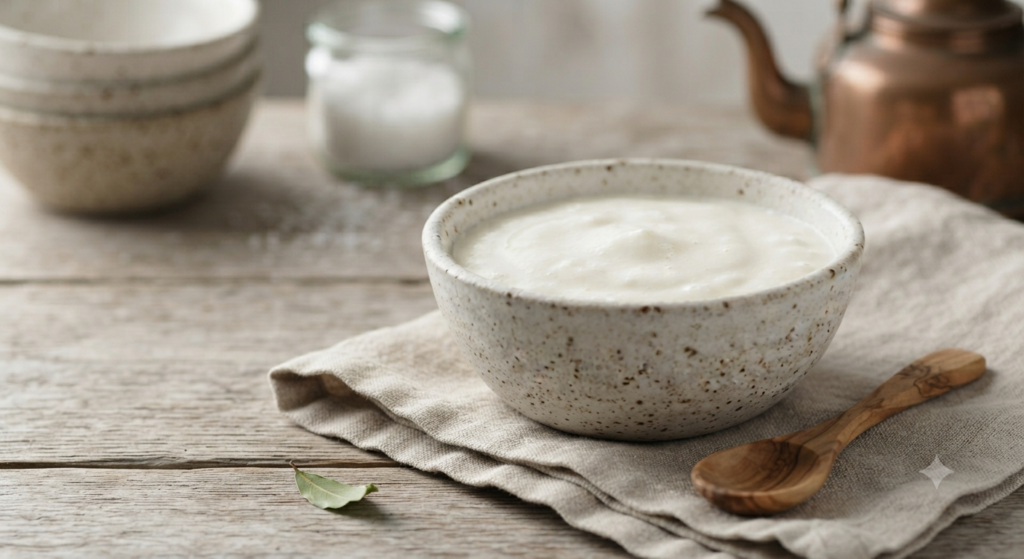
To make a regular curd at home, just mix the plain curd with water and whisk. Sprinkle roasted cumin powder, chopped coriander and a pinch of salt to taste. Similarly, whisking curd with water is a common method of making buttermilk, as described in the ManipalCigna reference.
The trick is to use the least amount of salt and sugar to make it.
Is Buttermilk Healthy for Everyone?
Buttermilk can be a part of a balanced diet, although each person may have different needs. Individuals with a milk allergy should not consume any dairy products without medical advice. Lactose-intolerant people may be able to tolerate fermented milk products differently, but should listen to their bodies.
Also, there is a big variation in sodium, fat and added ingredients between commercially prepared varieties. It’s a good idea to look at the nutrition panel, particularly for those who have been recommended to limit sodium intake.
The Bottom Line
While it might seem like just any old family beverage, buttermilk is one to include in a balanced diet because of its dairy nutrients, its live culture content (in some buttermilks), and its hydration benefits. The best part of its consumption might be the fact that you don’t have to pay for a costly ‘health drink’ when a well-made glass of chaas can go with an ordinary Indian meal.
The best way is the practical way in 2026: Use unsweetened and properly prepared buttermilk as a part of a balanced diet, and remember that no one food or drink is a quick fix for good health.
About the Author