High blood pressure, also known as hypertension, is very common in the adult population. It may not present with any noticeable symptoms and is thus also referred to as a silent health issue. Also, over time, if left untreated, this condition may bring about heart disease, stroke, and other health issues. But on a positive note, we have some control in the kitchen; our everyday food decisions do, in fact, play a large role in managing and achieving better blood pressure levels.
The BEST Diet for Blood Pressure Management
In 2026, nutritionists will still be recommending the DASH (Dietary Approaches to Stop Hypertension) diet, which includes lots of fruits, vegetables, whole grains, beans, nuts, low-fat dairy products, and lean protein sources; we also see a reduction in sodium, saturated fat, and added sugar.
1. Bananas and Other Potassium-Rich Fruits
Bananas are a good source of potassium, which is a mineral that plays a large role in fluid balance and healthy blood pressure. Also, bananas, apples, apricots, avocados, and melons are good sources of potassium.
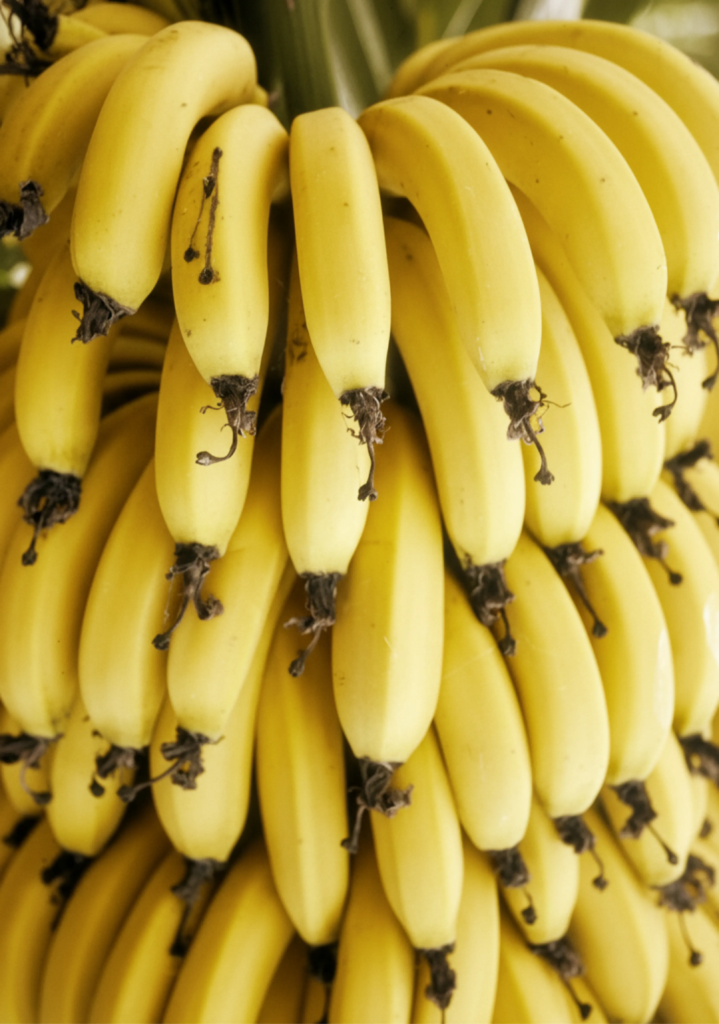
Potassium is a key element in a well-rounded diet, which in turn supports health. What we put into our bodies plays a large role in how our blood pressure acts, with diets that have high salt and low potassium levels being a factor in higher blood pressure.
2. Leafy Green Vegetables
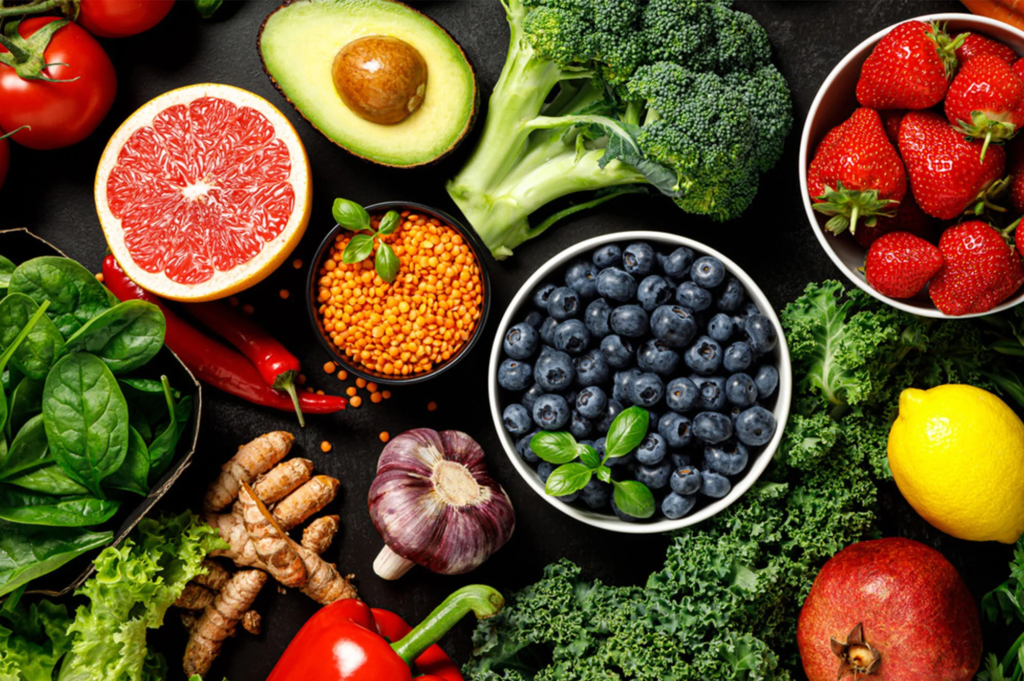
Spinach, kale, mustard greens, and lettuce, which also includes other leafy vegetables, are great to include in a blood pressure-friendly diet. They supply potassium, magnesium, fiber, and other nutrients in addition, and they have very little sodium.
Instead of heavy use of salt for greens, we may use garlic, lemon, herbs, pepper, or other salt-free seasonings.
3. Oats and Other Whole Grains
Oats, brown rice, whole wheat roti, and other whole grains are a source of dietary fiber and key nutrients. Switching out refined grains for whole grain options will improve the nutrition of your daily meals.
A simple breakfast option like oatmeal with fresh fruit and unsalted nuts is a great way to serve up a variety of heart-healthy foods at once.
4. Peas, Lentils and Other Legumes
Beans, chickpeas, peas, and lentils are a great choice for those who are looking for affordable plant-based sources of protein and fiber. Also, they play well in Indian dishes.
Dal, rajma, chana, and other pulses may be included in the diet regularly, but the amount of salt used in cooking should be reduced. The American Heart Association reports that beans and legumes are included in a heart-healthy eating plan.
5. Unsalted Nuts and Seeds
Almonds, walnuts, pistachios, flaxseeds, and other nuts and seeds provide healthy fats, protein, and minerals. But we see that unsalted forms are key because salted nuts may add a large amount of sodium to the diet.
A few of them are great as a snack or as a topping for oatmeal, yogurt, or salads.
6. Low-Fat Dairy Products
Plain low-fat yogurt and low-fat milk are a great source of calcium and potassium. Also, you can mix yogurt with fresh fruit and unsalted nuts to put together a healthy snack.
It’s better to read the labels on packaged dairy products, which at times may also include large amounts of added sugar.
7. Fish and Lean Protein
Fish, skinless fowl, beans, and other low-fat proteins are options in a blood pressure-friendly diet. Salmon and other fatty fish also provide omega-3 fatty acids, which in turn promote heart health.
For meat eaters, it is best to choose lean and minimally processed options.
8. Fresh Fruits and Vegetables
One of the basic methods is to include fruits and vegetables in every meal. Apples, oranges, berries, tomatoes, carrots, cucumbers, broccoli, and also a host of other options provide fiber and supply valuable vitamins and minerals.
Fresh and also minimally processed options do so to highly processed, salty, packaged foods.
Why Reducing Salt Matters
Choosing what to put in your body is just part of the solution. Reducing your sodium intake is also very important. Excess sodium can raise blood pressure, and a large amount of it can be found in prepackaged and prepared foods rather than the salt shaker. The American Heart Association reports that most adults should not go over 2,300 mg of sodium daily; they also say that most people with high blood pressure should aim for 1,500 mg.
Instant noodles, processed meats, salty snacks, pickles, packaged soups, and also many prepared meals have high levels of sodium. You can make a large difference by reading labels and looking for options that are lower in sodium.
A Simple Approach for 2026
There is not a single food that will reverse high blood pressure at once. Instead, we should aim to put together a balanced eating plan. For most of the plate, fill in with veggies; also do well to include fruit at regular meals, choose whole grains, add in beans and other lean proteins, go for unsalted nuts, and make highly processed and very salty foods a rare treat.
The DASH diet is still the top choice for better blood pressure. It features fruits, vegetables, whole grains, low-fat dairy, fish, poultry, beans, and nuts and at the same time reduces sodium, saturated fat, and sugary foods.
Other Important Lifestyle Factors
Also, in the end, food is but a component of blood pressure management. Regular exercise, attainment of a healthy weight, moderate alcohol intake when appropriate, eschewing tobacco and, as prescribed, taking medications also play a key role. Any person with persistently high readings should see a health care professional instead of only changing their diet.
About the Author