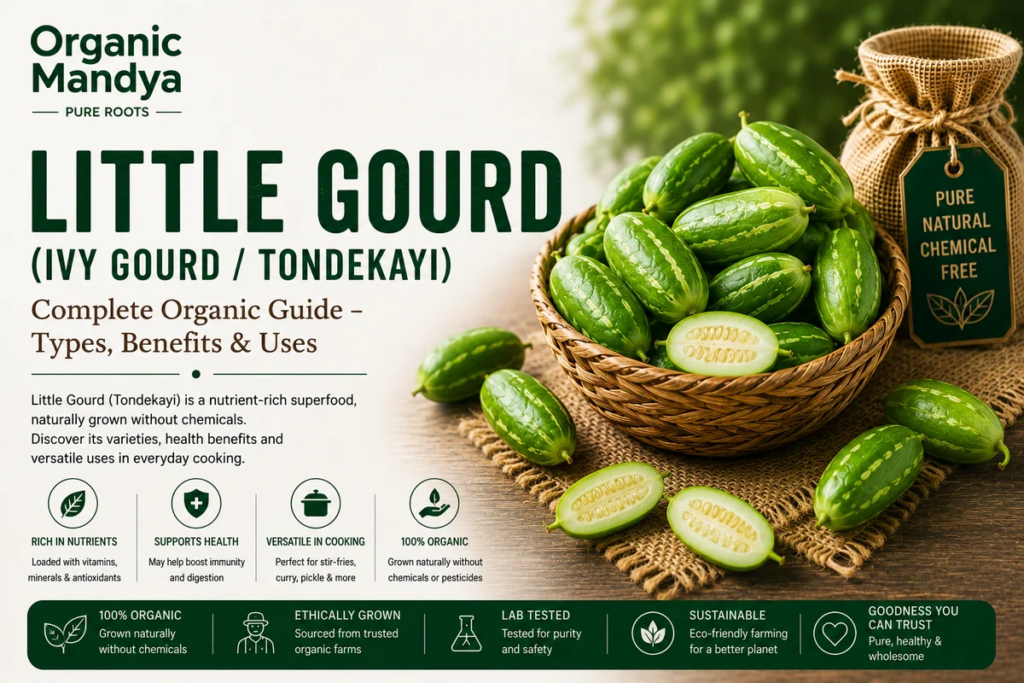
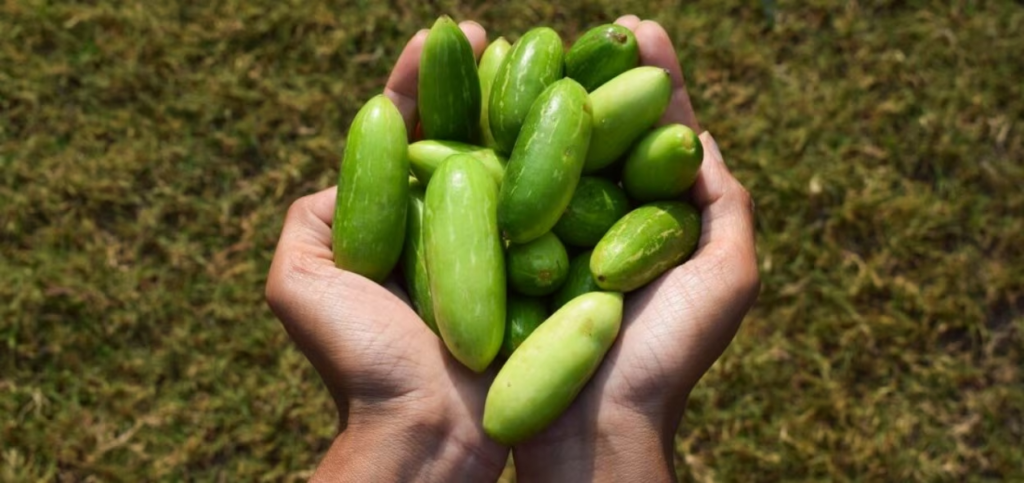
Ivy gourd (Coccinia grandis) is a green vegetable that goes by several names in India, such as tindora, kundru, kovakkai or dondakaya, and is often consumed in curries, stir-fries and other common dishes.
Ivy gourd is not high in calories and contains dietary fibre, vitamin C, carotenoids, various minerals and has also been subject to research due to its purported effects on blood glucose levels. Nonetheless, it cannot be taken as an alternative to treatment of diabetes.
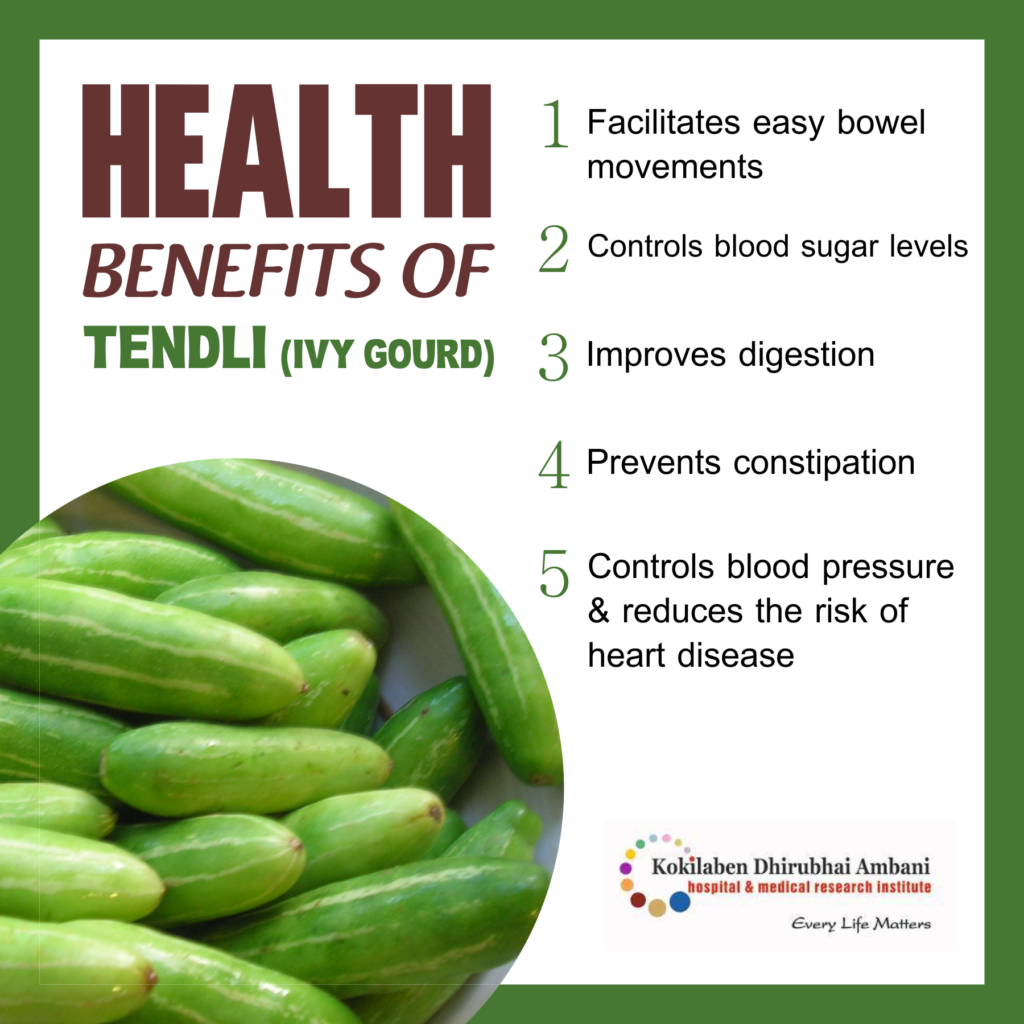
1. Supplies Various Vitamins and Minerals
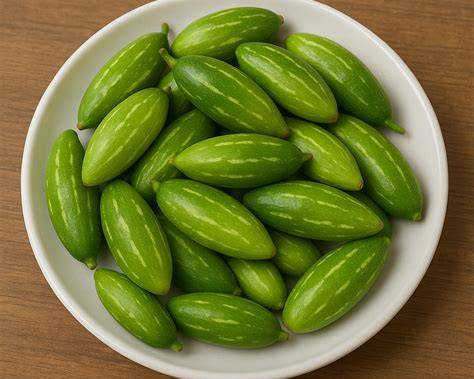
Ivy gourd supplies a number of vitamins and minerals without being high in calories. The plant contains vitamin C, carotenoids, calcium, magnesium and even trace amounts of iron, as well as dietary fibre.
Consuming ivy gourd together with other vegetables will contribute to increased diversity of nutrients in everyday meals.
2. Assists in Maintaining Good Digestive Function
The dietary fibre contained in ivy gourd helps maintain proper digestion and bowel movement.
Additionally, fibre aids gut health and helps one feel full after meals. However, it cannot be used as a treatment for chronic constipation or other digestive problems.
3. May Support Blood Sugar Management
Management of blood glucose levels has traditionally been a purpose of using ivy gourd, and one of the most intriguing areas of science connected to this plant.
There have been some human experiments on the use of preparations made from ivy gourd. Still, the results are insufficient to substitute medications for diabetes with the use of ivy gourd.
Persons who use medications for reducing blood glucose should be cautious about consumption of concentrates of ivy gourd, as combination may cause a dangerous decrease in blood sugar levels.
4. Helps to Maintain Immune System
Ivy gourd contains vitamins C and antioxidants, which help to maintain the healthy work of the immune system.
Vitamin C is important for protection of cells from oxidative damage and formation of collagen.
Consumption of ivy gourd is useful for nutrient intake; however, no single vegetable can boost your immune system or fight diseases.
5. Can Be Part of a Heart-Healthy Diet
The presence of fibre, nutrients and fewer calories makes the ivy gourd an excellent vegetable to follow for those with heart concerns.
Diets rich in vegetables have been found to be beneficial for the heart when coupled with other healthy practices.
Claims that the vegetable can reduce your cholesterol levels or cure hypertension cannot be substantiated by scientific evidence.
6. May Aid in Weight Loss or Control
This vegetable, due to its low-calorie nature, is also rich in fibre, which makes it easy to add to your diet if you want to either reduce or maintain your body weight.
Inclusion of fibre in the diet can also help individuals feel fuller post-meals.
How this vegetable is prepared makes all the difference since tindora fried in oil will definitely increase its calorific value.
7. Antioxidant Phytonutrients
Ivy gourd also contains natural antioxidants such as carotenoids, phenolics and many other phytonutrients with their antioxidant action.
These antioxidants play a protective role against oxidative damage. The key here is to get your antioxidants through different vegetables, fruits, pulses, nuts and seeds.
8. Supports Eye Nutrition:
The presence of carotenoids in ivy gourd may aid in vitamin A nutrition that helps maintain vision. Nevertheless, consumption of tindora cannot be recommended as a remedy for poor eyesight or age-associated eye disorders. A combination of colourful vegetables and leafy greens along with fruits, nuts and other nutrient-rich foods is advised to ensure intake of a wider variety of eye-supportive nutrients.
9. Promotes Skin Nutrition
Vitamin C is an essential ingredient of collagen production, whereas antioxidants help protect cells from oxidative damage.
This means that ivy gourd can provide nutrients for maintaining healthy skin.
Nevertheless, the claim that consuming or using tindora directly will cure acne, remove pigmentation or rejuvenate the skin due to its anti-ageing effect is not based on robust scientific data.
10. Possible Anti-Inflammatory Effects
Some laboratory studies found that Coccinia grandis contained compounds with potential anti-inflammatory properties.
Nevertheless, laboratory research results cannot prove that consuming ivy gourd will heal inflammatory disorders in people.
Patients suffering from arthritis and other inflammatory disorders need to keep receiving evidence-based treatment prescribed by doctors.
What About Ivy Gourd and Liver Health?
The use of ivy gourd has been known to help treat ailments related to the liver, but experiments have focused on examining possible protective properties of the plant extracts.
At the moment, however, there is not enough evidence supporting the use of the plant as a remedy for fatty liver disease, hepatitis and other liver diseases.
The intake of this plant as part of one’s diet is far different from the ingestion of medicinal plant extracts.
How to Consume Ivy Gourd
This fruit may be sliced and briefly stir-fried or steamed, while it goes very well with dal, roti and other types of vegetables.
A reasonable quantity of cooking oil will help maintain its characteristic as a relatively low-calorie vegetable.
The green tindora is preferable to others for cooking purposes.
Possible Side Effects
Ivy gourd consumed in normal quantities does not pose health problems, and some people might experience bloating or gas due to eating too much.
Concentrated supplements or extracts of ivy gourd, however, require a bit more caution. Individuals using medications against diabetes need to discuss the use of such products with their doctors due to possible hypoglycemic effects.
Women who are pregnant or breastfeeding should also discuss the use of such products with their medical providers.
My Personal Favourite
The things that I really like about tindora are that it is a common Indian vegetable and not a costly health supplement. The vegetable gives you a lot of fibre and micronutrients and easily fits into everyday meals.
As for my favourite dish, I would recommend lightly stir-fried tindora with common Indian spices and a minimal amount of oil, making the vegetable the main ingredient.
Conclusion
Tindora is a healthy, low-calorie vegetable rich in fibre, vitamin C, carotenoids and other beneficial phytochemicals. The vegetable can help maintain the digestive system, balanced nutrition and proper weight maintenance, although the scientific evidence regarding its hypoglycemic properties is still inconclusive.
In 2026, it would be the most logical thing to do – to eat tindora on a regular basis as part of a diverse diet.
About the Author