Tamarind is widely used in Indian cooking, but its hard seeds are less familiar as a food. After suitable processing, tamarind seeds can be made into flour or powder and used in some food products. They contain starch, protein and other plant compounds, though their nutritional value depends on how they are prepared. Research into specific health benefits is still developing.
Also Read: Know About The Health Benefits of Chamomile Tea In 2026
Potential Health Benefits
1. Provides starch and some protein
Tamarind seeds contain substantial starch and some protein. When processed into flour, they can contribute energy and nutrients to foods. They should be viewed as one ingredient in a varied diet, not as a complete source of nutrition.
2. Contains plant compounds
Tamarind seeds contain compounds such as polyphenols, which are studied for antioxidant activity. Laboratory findings do not necessarily mean that eating the seeds will prevent or treat disease; more human research is needed.
3. May have food-use potential
Processed tamarind seed flour can be used as a thickener or ingredient in certain food products. This is a practical use rather than a proven medical benefit.
Claims That Need More Evidence
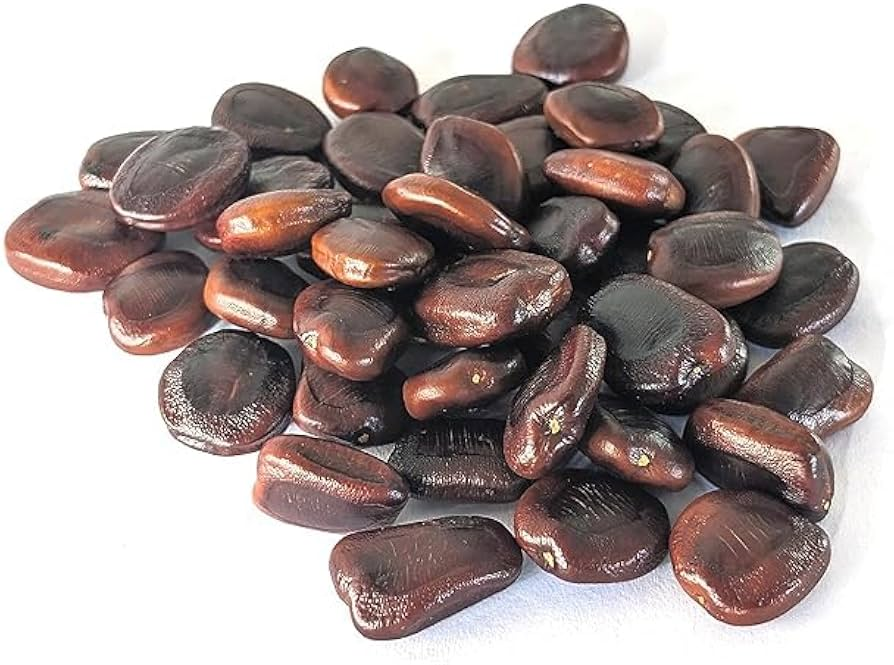
Tamarind seeds are sometimes promoted online for managing diabetes, cholesterol, weight or joint problems. They are not established treatments for these conditions. Do not replace prescribed medicines or medical advice with tamarind seed powder or extracts.
Possible Side Effects and Safety
- Digestive discomfort: Eating unfamiliar or large amounts of seed products may cause stomach discomfort.
- Choking risk: Whole tamarind seeds are hard and should not be swallowed whole.
- Preparation matters: Raw seeds are not the same as properly processed seed flour. Do not assume that a home-prepared powder is safe simply because the seeds are edible after processing.
- Allergy or sensitivity: Stop using the product if it causes an unusual reaction. Seek urgent care for breathing difficulty or swelling of the mouth or throat.
- Supplement uncertainty: Concentrated extracts and supplements may differ from food ingredients. Their safety, appropriate dose and interactions with medicines may not be well established.
If you are pregnant or breastfeeding, have a medical condition, or take regular medication, ask a healthcare professional before using tamarind seed products medicinally.
How to Use Tamarind Seeds
Use only a food-grade product from a reliable source, prepared according to its instructions. Tamarind seed flour or powder may be included in recipes where it is intended as an ingredient. Avoid swallowing whole seeds or experimenting with concentrated extracts as a home remedy.
Also Read: Know About The Health Benefits of Sweet Corn In 2026
Conclusion
Tamarind seeds contain starch, some protein and plant compounds, and properly processed seed flour has potential food uses. However, evidence for specific health benefits in people remains limited. Choose properly processed food-grade products, avoid whole seeds, and do not use tamarind seed preparations as a substitute for medical treatment.
This article is for general information only and is not a substitute for medical advice.
About the Author