The nutrient-packed cruciferous vegetable broccoli is an important part of healthy eating plans—low in calories and rich in fiber, vitamins and minerals, and bioactive plant compounds like glucosinolates. New nutrition advice and studies keep praising broccoli as a healthy supplement to a healthy diet.
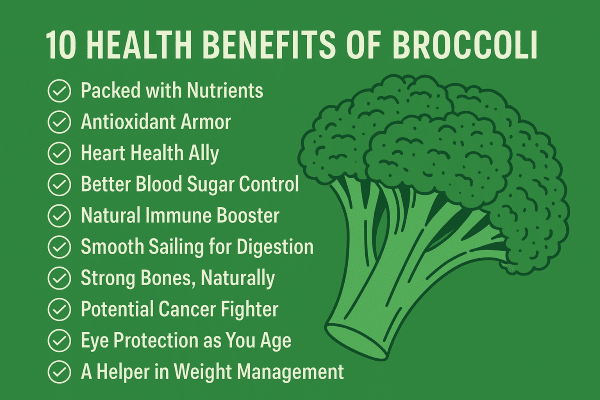
1. The food is rich in essential nutrients
The nutrients in broccoli include vitamin C, vitamin K, folate, potassium, calcium, and dietary fiber. They are important for various functions in the body, such as immunity, normal blood clotting, bone health, and digestion.
2. Supports Immune Function
Broccoli is especially high in vitamin C, which plays a role in maintaining a normal immune system. Eating broccoli regularly in a diverse diet may help to provide the daily vitamin C requirements.
3. Promotes Better Digestion
Broccoli’s dietary fiber promotes proper bowel function. Fiber also plays a role in your body’s healthy gut environment and may help to keep you feeling fuller.
4. Provides Powerful Antioxidants
Broccoli is a source of vitamin C and other phytochemicals, which may assist in supporting the body’s antioxidant system. It contains glucosinolates, which can combine with enzymes during chewing and digestion to create compounds like sulforaphane. Sulforaphane has been researched as an antioxidant and protective agent for cells.
5. May Support Heart Health
An eating plan high in vegetables and fibre is linked with a healthy overall cardiovascular diet. The fiber, potassium, antioxidants, and other plant compounds of broccoli make it a good choice to add to a heart-healthy diet.
6. May Help Maintain Healthy Blood Sugar
Relatively low in calories, broccoli contains fiber that can help to balance meals and slow digestion. Recent studies have also included compounds within the cruciferous vegetables and their potential impact on glucose metabolism, such as sulforaphane. But broccoli shouldn’t be a cure for diabetes; it’s meant to supplement the treatment.
7. Supports Bone Health
Broccoli is a source of vitamin K, calcium, and other nutrients that keep bones healthy. The particular significance of Vitamin K in normal blood clotting and bone metabolism makes broccoli a nutritious addition to an overall nutritious diet.
8. May help reduce inflammation and oxidative stress
The bioactive compounds in broccoli, such as those derived from the glucosinolates, are under investigation for their anti-inflammatory and antioxidant properties. These properties could be responsible for the overall health-promoting effects of cruciferous vegetables.
9. May have cancer-protective potential
The glucosinolates in broccoli can yield compounds like sulforaphane and indole-3-carbinol. Several mechanisms have been reported in the laboratory and animal models in which these substances can influence cancer-related processes. However, human evidence is inconclusive, and broccoli should not be called a cancer treatment or a cancer-preventing food.
A new meta-analysis in 2024 revealed an inverse relationship between the consumption of broccoli and cancer risk in observational studies, and suggested larger studies, particularly cohort studies, are needed in the future.
10. Can Support Weight Management
Can help with weight management.A nutritional powerhouse, broccoli is relatively low in calories. It is also high in fibre, which can help with fullness and is beneficial in well-rounded meals for weight management and maintenance.
Thankfully, there are a few easy ways to get more broccoli into your diet
Steam, lightly cook, roast, or use broccoli in salads, soups, stir-fry, and other dishes. When preparing, try not to cook so much to avoid some loss of heat-sensitive nutrients and desirable plant compounds.
Conclusion
Broccoli is a great vegetable that can aid in digestion, immune health, bone health, antioxidant protection, and overall heart health. It is especially noteworthy for its health-research-interest components, derived from glucosinolates, such as sulforaphane. For 2026, the ideal strategy is to eat broccoli as part of an overall healthy diet, rather than as a cure or a replacement for medical treatment.
About the Author