Know About The Health Benefits of Longan In 2026
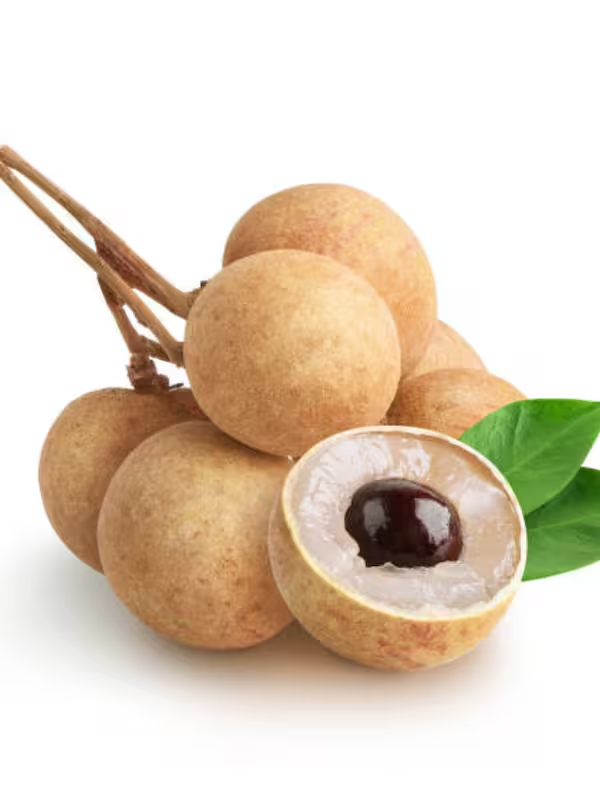
There’s a good chance you’ve walked past longan at an Asian grocery store without knowing what it was. Small, round, wrapped in a thin brownish shell — crack it open and you get this glossy, almost see-through flesh sitting around a dark, shiny seed. That’s the whole “dragon’s eye” thing, and honestly, once you know it, you can’t unsee it. The fruit itself comes from Southern Asia, mostly China, Thailand, and Vietnam, and it’s related to lychee and rambutan, though it doesn’t get nearly as much hype here. Which is a shame, because it’s genuinely good — sweet, a bit musky, juicy in that way that makes you want to grab a second one before you’ve finished the first.
What Exactly Is Longan?
The scientific name is Dimocarpus longan, part of the Sapindaceae family, and it’s typically in season from summer into early fall. People eat it fresh off the branch, dry it for snacking, drop it into desserts, or brew it into tea. In Chinese medicine especially, it’s been used for generations as something you turn to when you need a little restoring. So the question worth asking is: does any of that hold up, or is it just tradition talking?
Why People Keep Coming Back to This Fruit
It’s full of things that fight cell damage. Vitamin C and polyphenols show up in decent amounts in longan, and both work as antioxidants — basically cleaning up free radicals before they cause trouble. Do this consistently over years and you’re looking at lower odds of chronic disease, plus skin that ages a little slower.
Your immune system probably won’t complain. All that vitamin C helps your body churn out white blood cells more effectively. Practically, that could mean colds that don’t linger as long, or a body that just shrugs off minor illnesses more easily.
Skin benefits, too. Collagen production depends heavily on vitamin C, and collagen is what keeps skin from sagging and wrinkling early. Add the antioxidant protection against sun and pollution, and you’ve got a fruit that’s doing double duty for your complexion.
Need an energy boost that isn’t a sugar crash waiting to happen? Longan has natural sugars plus iron, and iron is critical for getting oxygen where it needs to go in your body. So instead of the usual candy-bar spike-and-crash, you get something closer to steady fuel.
Your heart gets something out of it too. Potassium helps balance sodium and keep blood pressure in a healthy range, and the antioxidants may stop cholesterol from oxidizing — which is one of the steps that leads to clogged arteries.
It’s got a reputation for helping you sleep. This one’s more traditional than clinical, but longan has long been used to calm anxiety and support better rest, possibly by influencing GABA activity in the brain.
Digestion and brain function benefit as well. The fiber keeps things moving, while B vitamins and iron support blood flow to the brain — which plays into memory and focus more than people realize.
But It’s Not All Upside
Like most foods, longan isn’t perfect for everyone. Some people get allergic reactions — itching, swelling, that kind of thing. Its sugar content means diabetics should be mindful of portions rather than eating it freely. If you’re pregnant or taking blood thinners or diabetes medication, it’s worth a quick chat with your doctor before making longan a regular thing. And in traditional medicine circles, there’s a long-held belief that eating too much can cause “internal heat” — think headaches, restlessness, that sort of discomfort.
Bottom Line
Longan isn’t just some novelty fruit you try once and forget. It’s got real nutritional weight behind it, plus centuries of use in traditional healing. Eaten in reasonable amounts, it’s a pretty enjoyable way to give your immune system, skin, heart, and brain a bit of extra support — no supplement aisle required.
About the Author