The iron-rich diet should comprise foods with sufficient amounts of iron, which would help ensure proper functioning of the body. Iron is one of the vital minerals required by the body in the production of haemoglobin, which helps in carrying oxygen around the body through blood.
There are many iron-rich foods that can be eaten in the Indian diet, including dal, rajma, chana, leafy vegetables, millets, seeds, eggs, fish, and meat. The consumption of iron-rich foods is not all that the diet involves. Iron foods are made more effective by their combination with other foods that enhance the absorption of iron.
What is an iron-rich diet?
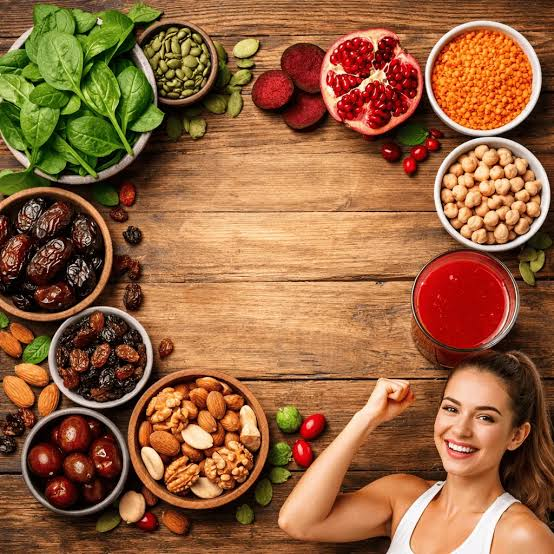
“Iron-rich diet” refers to the eating habit of consuming foods with significant amounts of iron. Iron in foods is available in two forms; these include heme iron and non-heme iron.
Heme iron is usually found in meat, poultry, and seafood, while non-heme iron is found in plant foods such as pulses, leafy vegetables, nuts, seeds, and grains. Vegetarians consume iron exclusively from plant foods, although meal planning becomes a necessity because non-heme iron is difficult to absorb.
Why Does the Body Need Iron?
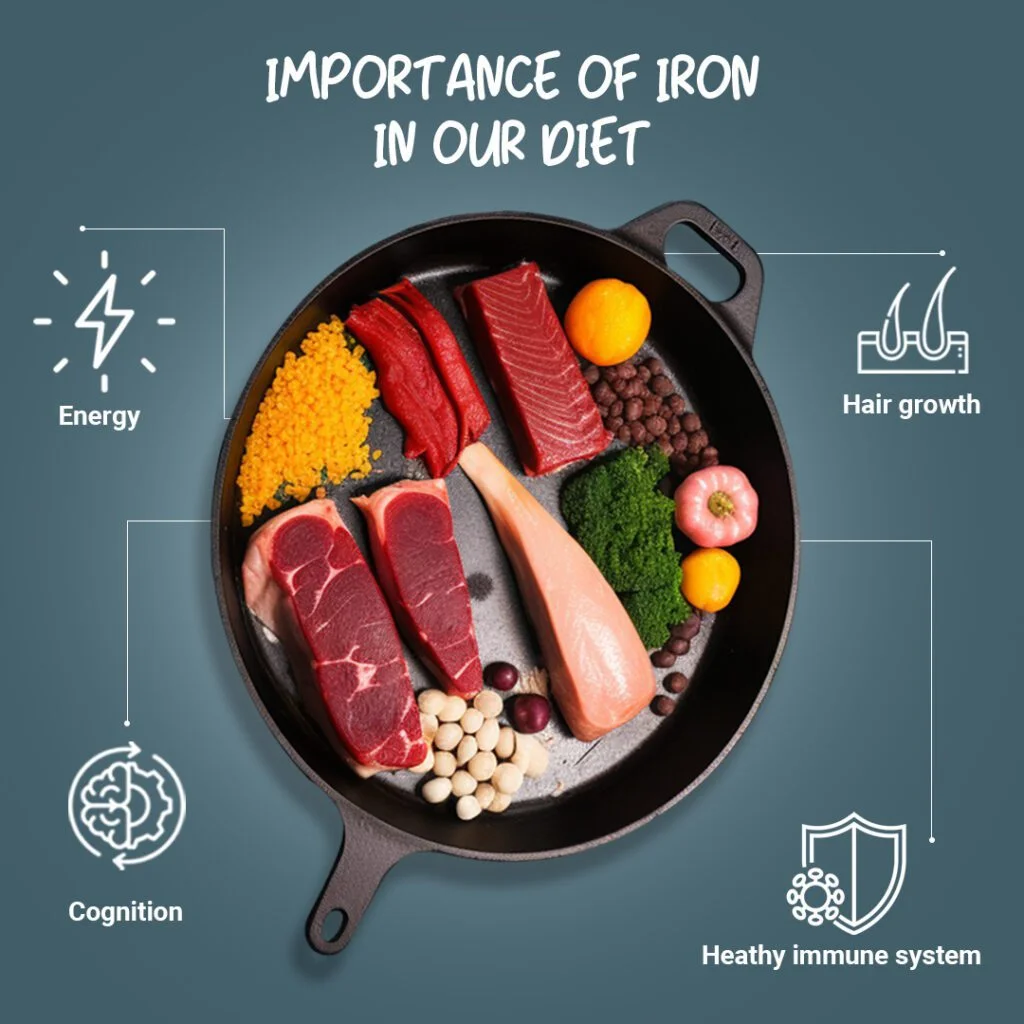
The mineral iron is crucial in haemoglobin production, enabling the red blood cells to deliver oxygen from the lungs to the rest of the body.
Sufficient amounts of iron in the body also help keep the individual energetic and healthy, since iron is necessary for proper muscle and brain development. An individual whose iron levels remain low over an extended period may suffer from iron-deficiency anaemia.
The symptoms may include exhaustion, weakness, dizziness, headaches, and trouble breathing. If the symptoms continue, they need to be checked by a doctor, as there may be various possible causes for the condition.
Best Foods that Contain Iron
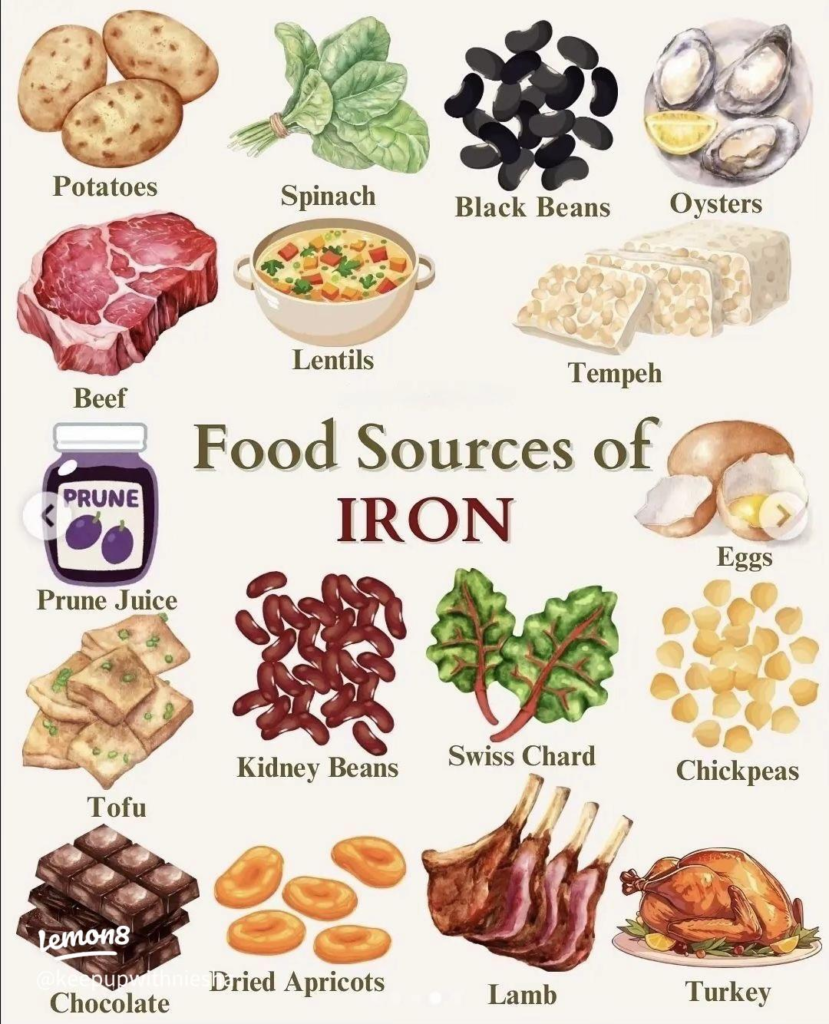
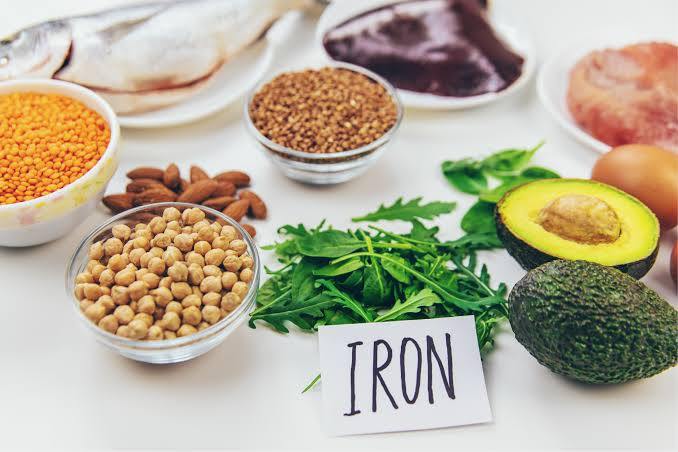
There are many common Indian foods that contain enough iron for the daily intake requirements of the body. Foods suitable for vegetarians include moong dal, masoor dal, rajma, chole, besan, spinach, methi, amaranth leaves, sesame seeds, nuts, and millets.
For those who eat animal products, meat, poultry, fish, eggs, and seafood are rich in iron.
Eating a variety of foods containing iron each week is better than relying mainly on one food product.
Combine Iron With Vitamin C
An easy way to increase the absorption of plant-based iron is by consuming it with vitamin C-containing foods.
For instance, lemon juice can be sprinkled on dal, rajma, or chana. Tomatoes and capsicum can be included in the diet along with amla, guava, and oranges that can be eaten together with iron-containing foods.
This strategy can be very effective because of the role of vitamin C in facilitating the absorption of non-heme iron in the body.
Do Not Drink Tea and Coffee with Meals
There are some compounds present in tea and coffee that prevent the absorption of non-heme iron when consumed with an iron-rich meal.
However, instead of not drinking tea and coffee at all, it is better to keep a time gap between drinking them and having a meal.
Benefits of an Iron-Rich Diet
Sufficient iron intake will ensure that there is proper formation of healthy red blood cells and oxygen transport.
This might help one maintain energy levels, endurance, concentration, and performance, especially for people who used to have iron deficiencies.
Iron is very vital, especially when there is a high demand for nutrients in the body, like during growth periods. Iron is also very important, especially in children, teenagers, and females.
However, it is only appropriate to use an iron diet as treatment for fatigue and other conditions once the iron deficiency is diagnosed.
Iron-Rich Diet in Pregnant Women
There is an increased need for iron in pregnant women since there is an increased blood supply in their bodies.
Some of the foods that might be recommended include dal, green vegetables, beans, eggs, fortified foods, fish, and meat.
Simple Indian Iron-Rich Meal Ideas
Breakfast can consist of moong dal chilla with tomato chutney, besan chilla, or egg bhurji. Including lemon, tomatoes, or any other sources of vitamin C can help enrich the dish.
Some choices for lunch could be rajma with rice, chole with chapati, dal with leafy vegetables, or fish with vegetables. For snacks, roasted chana along with guava or orange will suffice.
For dinner, masoor dal, palak-based dishes, beans, or iron-rich foods along with vegetables could be chosen.
Practical Tips for Improving Iron Consumption
It is easy to include some iron-rich food items in each of the main courses, thus dividing their consumption in equal proportions throughout the day. Pulses could be soaked or sprouted before cooking, and using cast-iron cookware may help increase iron content in some foods.
Iron from plant sources should always be consumed along with vitamin C, and no tea or coffee should be drunk right away after meals.
More importantly, variety must be ensured, since iron works along with other nutrients such as folate, vitamin B12, and protein.
Can an Iron-Rich Diet Treat Iron Deficiency?
Diet can assist in preventing insufficient iron consumption and maintaining proper iron levels, but existing iron deficiency or iron-deficiency anaemia can call for additional measures.
Medical consultation and diagnostic procedures such as haemoglobin and ferritin blood tests can show if iron deficiency exists.
Iron supplements must be avoided in large amounts without appropriate recommendations. Too much iron can lead to some adverse effects.
Who Must Take Care of Iron Intake?
There are specific groups of individuals who have a higher chance of needing to monitor their iron intake. These include pregnant women, teenagers, women with menorrhagia, and people consuming iron-poor diets.
Vegetarian and vegan people can get enough iron from food sources; however, various types of plant foods and vitamin C-containing foods must be consumed.
Individuals suffering from constant tiredness, weakness, and shortness of breath must see a doctor and undergo an examination.
My Personal Favourite
The things I appreciate in an iron-rich diet include the fact that this kind of diet can be prepared using normal Indian foods like dal, chana, rajma, green vegetables, and til.
I like the idea of combining these foods with vitamin C the most. It can be as easy as adding lemon to dal or guava along with roasted chana.
Conclusion
An iron-rich diet is beneficial for red blood cells, oxygen transport, energy, and well-being. Iron can be consumed from both vegetarian and non-vegetarian diets depending upon good planning of meals.
In 2026, the best way would be to have a varied combination of iron-rich foods, combine vegetarian foods with vitamin C, and avoid tea/coffee in iron-rich meals. People who think they might be suffering from iron deficiency should consult their doctor.
About the Author