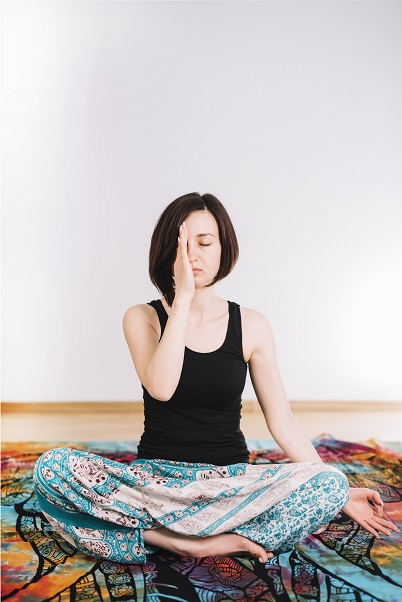
Anulom Vilom—alternate-nostril breathing—has been around for ages, but here we are in 2026, and people still can’t seem to get enough of it. The idea is simple: you breathe in through one nostril, out the other, all at an easy, steady pace. It’s one of those practices that just feels grounding, like a small escape from all the noise and stress that piles up during the day. And researchers keep poking at it, curious about what it really does for stress, heart health, and even how well we breathe.
Let’s start with stress. Lots of folks turn to Anulom Vilom just to unwind. There are some systematic reviews out there that say it actually helps lower both mental and physical stress levels. Still, the studies aren’t perfect—most scientists agree there’s more to figure out.
Now, about your heart. Turns out, relaxed, steady breathing—like what this technique calls for—can help with things like lowering blood pressure and slowing your heart rate. One big review covering 14 studies even found a push in the right direction for blood pressure, though the results bounce around a bit. It’s not totally black and white.
There’s the focus aspect, too. When you follow the breathing rhythm, you have to pay attention to what you’re doing, right? Some studies suggest this can boost your focus and even help you perform better on attention tests. Doesn’t mean it’s some magic solution for attention disorders, but it’s interesting.
Breathing itself improves too, at least for healthy people. A bunch of studies have shown that doing this kind of controlled breathwork can help your lungs work better. Still, it’s not a replacement for medical care if you’ve got a respiratory condition.
What I really like about Anulom Vilom is the simplicity. No fancy gear, no complicated setup. Just a little quiet time for yourself. If you’re just starting, keep things light—don’t force your breath or hold it too long. And if you start feeling weird or dizzy, just stop.
But don’t get caught up thinking Anulom Vilom is a cure-all. Research into pranayama is all over the place, with different methods and mixed results. What works for one person might not do much for someone else. So treat it as a wellness practice, not a miracle fix.
Personally, I think Anulom Vilom’s a solid habit if you want a mindful moment without a big fuss. You don’t really need anything—just a few quiet minutes, and it slots right into a yoga or meditation session. Still, it’s only one part of a healthy lifestyle. Good sleep, exercise, eating well, and getting real medical help when you need it all matter, too.
So, as 2026 rolls on, Anulom Vilom is still a calming, healthy ritual you can add to your day. The science doesn’t say it’s a cure, but it points to some nice benefits for stress, heart health, focus, and breathing. Just remember, it’s one helpful piece of a much bigger puzzle.
About the Author