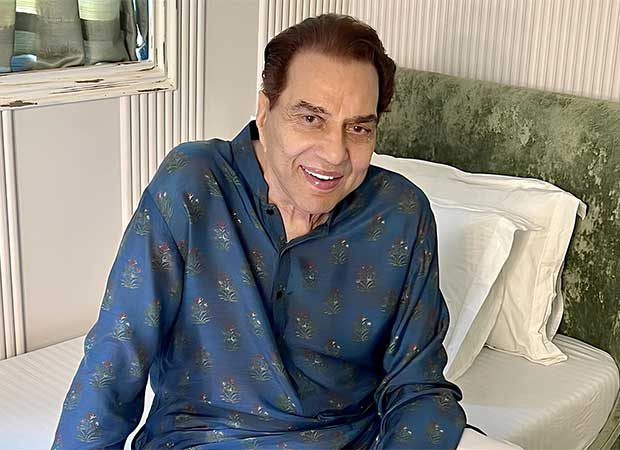
Dharmendra was an actor who had a large and devoted audience throughout the history of Indian cinema. Affectionately called the “He-Man of Bollywood” and “Garam Dharam,” he brought to the screen an impressive presence that also included wit, humor, and emotion. In over a six-decade career in which he starred in over 300 films, he also became a favorite of many generations of Indian moviegoers. Although it was in 2025 that he passed, the legacy of his work in Hindi cinema is still very much present and appreciated.
Early Life
Dharam Singh Deol was born on 8 Dec 1935 in Nasrali, Punjab. Raised in a humble setting, he developed an interest in films at a very young age. Unlike most who came from film-based families, Dharmendra did not have a direct tie to the Hindi film industry at the start of his career. But his determination led him to Mumbai in search of a break.
His break came when he won a Filmfare talent contest. After the exposure from the competition, he decided to go all in on acting. The path to success was not easy, and in Mumbai at the start, he had a great struggle. But his looks, personality, and determination, which he brought to the table, slowly began to pay off in the industry.
Beginning of His Film Career
Dharmendra had his acting debut in 1960 with Dil Bhi Tera Hum Bhi Tere, which was directed by Arjun Hingorani. Though the film didn’t immediately turn him into a big star, it did mark the start of a great career.
In the early 1960s, he was in many films that saw him set himself up as a romantic heartthrob. In films like Shola Aur Shabnam, Bandini, Ayee Milan Ki Bela and Haqeeqat, audiences saw his talent. Also in Haqeeqat, which was a war drama, we see that he was able to play serious and emotional roles.
In 1966, with “Phool Aur Patthar,” he achieved great success, which in turn made him a leading man. Also, his physical strength and outgoing personality played a role in creating the image that later would earn him the moniker “He-Man.
Rise to Stardom
In the ‘70s, Dharmendra had a remarkable career. He was in a variety of films from romance to action, comedy, and family drama. In that decade, he put out Mera Gaon Mera Desh, Seeta Aur Geeta, Raja Jani, Jugnu, Yaadon Ki Baaraat and Pratigya, which established him as one of Bollywood’s preeminent stars.
His association with actress Hema Malini became very famous. In many successful films, we see the two of them together in Seeta Aur Geeta, Raja Jani, Pratigya, Sholay, Charas, and Azaad. Also, their on-screen chemistry, which was present in all of the films, was what made them a memorable screen pair in Hindi cinema.
In 1975, Sholay, which is a game-changer for Dharmendra’s place in Indian popular culture, was released. In this film, he played Veeru to Amitabh Bachchan’s Jai. It is through the character of Veeru that we see his friendship, humor, romance, and adventure come through, which made him endearing. Today, the role is still considered one of the most memorable in the history of Bollywood.
Versatility Beyond Action
Although Dharmendra did great in action films, it is unfair to put him in that category. He had a large range as an actor. In films like Anupama and Satyakam, we see the more sensitive side of his talent, which not many had known.
His delivery of humor was a great asset to his appeal. In Hrishikesh Mukherjee’s Chupke Chupke, Dharmendra gave a very charming and funny performance, which also proved that he could leave behind his tough hero persona.
Producer and Family Legacy
Dharmendra also ventured into production and did a great job at backing the careers of members of his family. His production company Vijayta Films put out successful projects like Betaab and* Ghayal*, which in turn did, in fact, help to launch the film career of his son Sunny Deol, who is today very prominent. Also later on, he supported the career of his younger son Bobby Deol and was associated with the launch of his nephew Abhay Deol.
Awards and Recognition
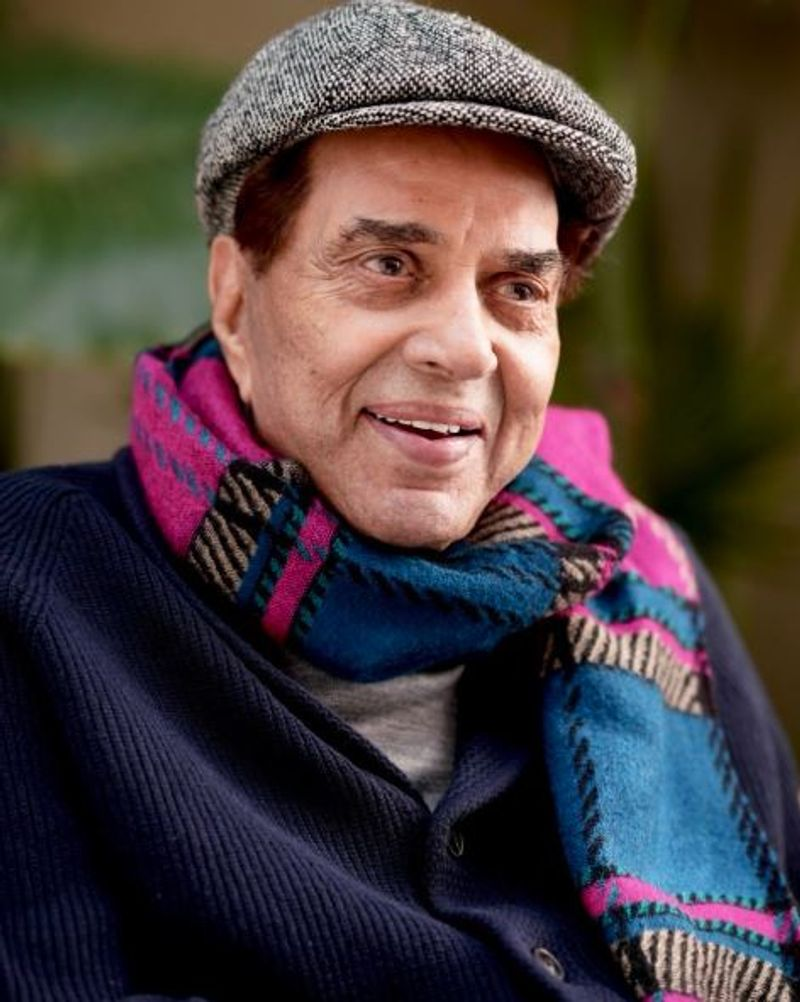
Dharmendra, throughout the course of his career, was honored with many awards. In 1997, he won the Filmfare Lifetime Achievement Award, which is a very distinguished achievement, and in 2012 he received the Padma Bhushan, which is one of India’s greatest civilian honors.
In the year 2026, the Government of India paid tribute to Dharmendra posthumously with the award of Padma Vibhushan, for which he was recognized for his great contribution to Indian cinema. Also, this honor served to note the cultural impact of a career which by then had become a large part of India’s cinematic heritage.
Final Years and Legacy
Dharmendra kept himself connected with films till the end. In 2023, he starred in Rocky Aur Rani Kii Prem Kahaani, which brought him to the notice of a new audience. Also, in the year of his death, which was in 2025, he appeared in Ikkis. Dharmendra died on 24th November 2025 in Mumbai at the age of 89.
At the 2026 BAFTA Awards, he was featured in the ceremony’s In Memoriam segment, which saw his name placed among that of notable artists recognized by the British Academy.
Dharmendra’s legacy is a great deal more than what his filmography or award collection is. He was the face of an era which saw movie stars also as a part of the common man’s life. What made him stand out from the rest of his time was his unique mix of strength, charm, humor, and emotional authenticity. From that determined young man who came to Mumbai in search of a chance to the legendary character of Veeru in Sholay, which he brought to life, his story is that of a journey of perseverance and success.
They are a part of a nation’s cultural fabric.
About the Author