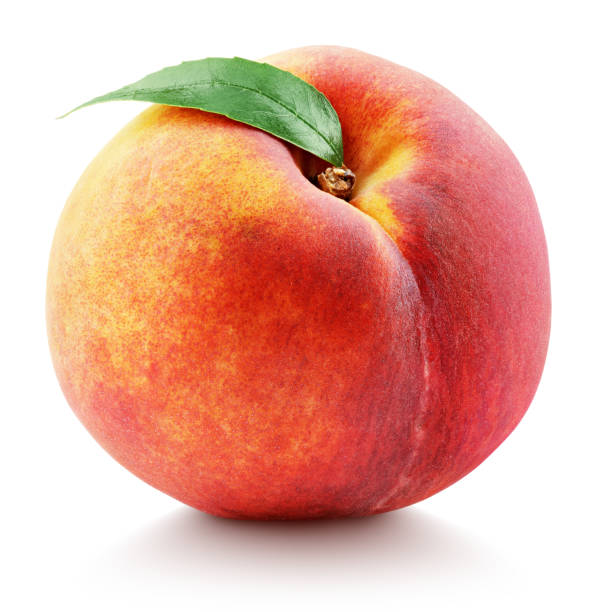
Some of the produce that we think of as symbols of summer do very well, and peach is at the head of that list. They have that tender skin, juicy core, and naturally sweet taste that the world’s palates agree on. Also, beyond the great taste, this dynamic fruit puts on a great show nutritionally, which in turn supports a balanced diet. By 2026, as more people turn to natural and health-conscious food options, peaches are still a great choice to include in daily meals.
What’s the Health Case of Peach?
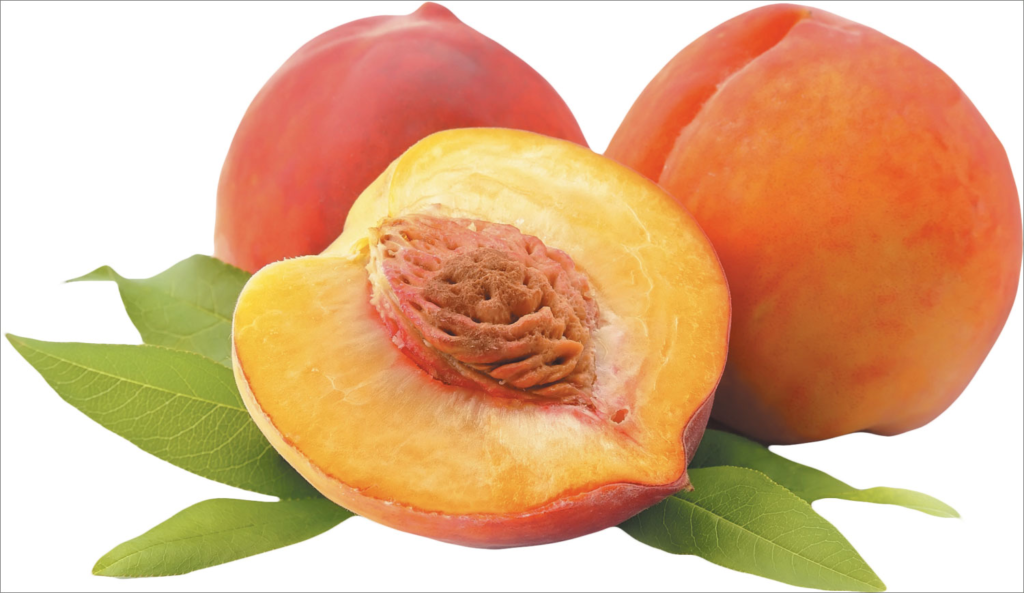
Peaches, as known in science,e go by the name Prunus persica, ca which is a stone fruit that grows soft, juicy flesh which in turn surrounds a hard pit. Although peaches do have a sweet taste,aste they are also low in calories and, at the same time, contain essential dietary fiber and a variety of vitamins and minerals. A medium peach may have 35 to 60 calories, 2 grams of fiber, and 1 gram of protein. Also, it is a source of vitamins A and C, folate, niacin, magnesium, manganese, and phosphorus.
The produce also has plant compthat which are antioxidants, which in turn protect cells from oxidation and stress, sand tressamongan are the elements supportrward the health benefits of a large variety of colored fruits that are recommended for a healthy diet.
Supports digestive health: digestive wellness, improved gut health, better digestion.
Peaches are an excellent source of fiber, which is key in normal digestion and also helps food to pass through the digestive system. Thus, by including fiber-filled fruits like peaches in your diet, you may see improved regularity.
Peaches provide both soluble and insoluble forms oSolublet soluble fiber interacts with water in the digestive system, and insoluble fiber adds bulk to stool. As a team, these types of fiber may improve digestive health.
Gives Vitamin C.
Vitamin C is also what puts peaches into a diverse diet. This vitamin plays a role in normal immune function and in the production of collagen. Collagen is a key protein in the maintenance of skin, blood vessels, bones, and connective tissue.
Regular, everyday consumption of fruits that are a source of vitamin C is a great way to meet your daily nutrition requirements. As for peaches, they may not be at the top of the list of vitamin C fruits, which include guava and citrus fruits; they still do play a role in your total vitamin intake.
May have healthy skin.
Healthy skin results from a combination of factors, which may have to do with your genetic makeup, hydration level, amount of sleep, sun exposure, and nutrition. Also, peaches are a fine addition to a balanced diet as they are a source of vitamin C and antioxidants.
Vitamin C is a player in collagen production; also, we see that antioxidants support the body’s defenses against oxidative stress. This is not to say that a diet consisting of just peaches will improve skin health, but that a varied intake of fruits and vegetables is what will give you the nutrients for healthy skin.
For Heart Health Improvement.
Peaches are a healthful choice for a heart-smart diet. They supply potassium, fiber and what is also true is that they don’t have many calories. Also of note is that potassium, which is a mineral that plays a key role in muscle and nerve function, also plays a key role in the maintenance of healthy blood pressure.
Also, in the framework of a healthful diet,t which includes peaches but isn’t made up of them, that is how they should be presented.
May Improve Eye Health.
Peaches are a good source of vitamin A and other compounds which in turn play a role in a healthful diet. Also, it is known that vitamin A plays a key role in normal vision and the health of tissue. Also, the USDA reports that vitamins A, C, E, and K are present in peaches.
Adding peaches to your produce and vegetable choices will in turn create a more varied diet, which in turn includes a wider range of protective nutrients.
A Sweet Treat.
For health-conscious folks who are looking to reduce their intake of highly processed snacks, a peach is a great choice. It also may be found to have a natural sweet flavor that will satisfy that sweet tooth at the same time, which doesn’t require the addition of extra sugar.
Fresh peaches, which you may eat as is or use in many different dishes, can be added to your yogurt, over oats, in a salad, or mixed with other fruits. As a rule, when choosing whole fruits, choose the ones that are not very processed, for they retain more fiber and don’t require added sugar.
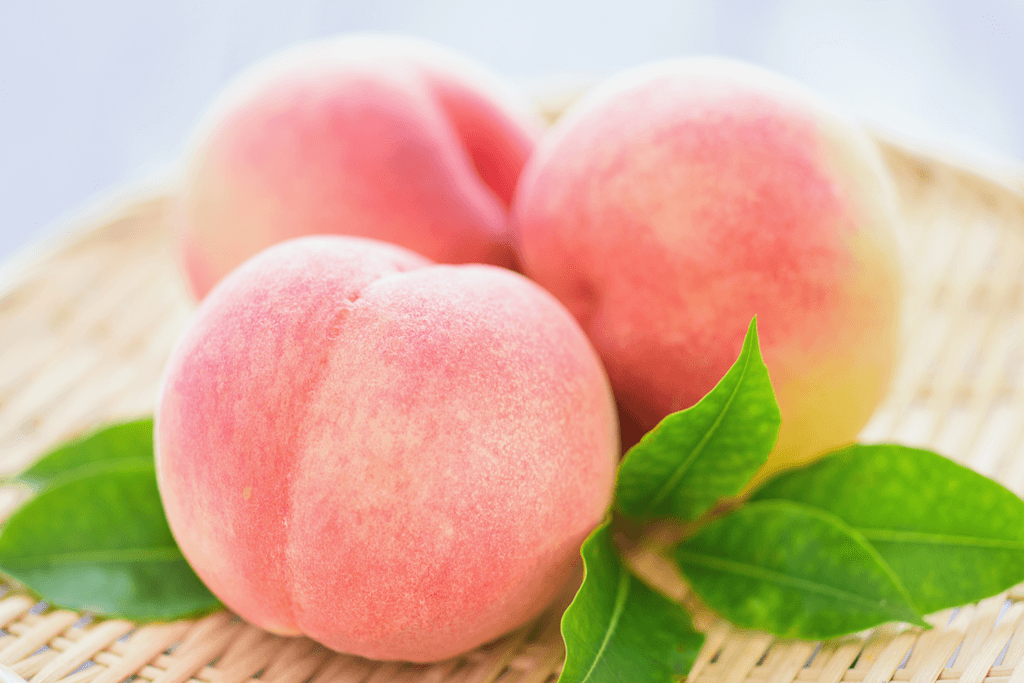
How to Include Peaches in Your Diet.
Peaches are very easy to work with. Include them in your breakfast cereal, mix into plain yogurt, add to a fruit salad, or throw into a smoothie. Also include fresh peaches in your homemade desserts.
When shopping for peaches, choose ones that are fragrant and yield a little to the pressure; also, see to it that you wash the fruit before eating.
Final Thoughts
Peaches go beyond just a summer fruit trend. They are a source of a wide range of fiber, vitamins, minerals, water, and antioxidant plant compounds, which in turn present them as a very health-conscious choice for many. Also, they play a role in a balanced diet that in turn supports digestive health, normal immune function, skin health, and total nutrient intake.
We see that at present no single food is a source of all the body’s nutrients. By 2026, the best option is to enjoy peaches in a varied diet which also includes veggies, whole grains, legumes, nuts, seeds and other fruits. Whether eaten raw, added to yogurt, or in a homemade dish, sh the simple peach is an easy and tasty way to include more whole foods in your day-to-day life.
About the Author