
Hindu tradition for many years has looked at the quality of a happy, peaceful, and full life. Also, in 2026, as the world sees an increase in stress, work-related issues, and emotional imbalances, the traditional concept of Swasti, which we see in Sanskrit to mean health, success, that which is blessed and fortunate, may put forth an interesting point of view on what it is to live well.
What Is Swasti in Hinduism?
Swasti (स्वस्ति is the root from which we get the concepts of health and happiness, and also the expression of the wish that all goes well. In Sanskrit literature and Vedic traditions, we see it used to put forth blessings and to pray for safety and prosperity.
However, what we see in Swasti is that it goes beyond the idea of having it all in terms of wealth, achievement, or a difficulty-free life. What it is really about is the concept of living in balance with ourselves, each other, and the world which we are a part of.
Think of days when you and your family are in great health, your mind is at peace, and you are able to sit down to a simple meal with your loved ones. These may be small things, but they represent an element of well-being which at times we ignore in our quest for achievement.
The Spiritual Value and Background of Swasti.
In the past the term Swasti has been put forth to mean su which is of the meaning well or good, and asti which means to be or to exist. Thus, they put forward the idea of well-being or of things which are in good health.
In Hindu traditions, the concept is tied in with what is considered to be the best of beginnings and the outpouring of good intent. Also used in religious blessings is the term Swasti, which puts forth the wish for safety, happiness, and favorable conditions for the recipients.
In this concept, what is put forth is that well-being is not seen as a sole achievement of the individual. Also, in Hindu views of health and healing, we see stress placed on relationships with family, society, nature, ancestors, and the divine.
This greater perspective that Swasti puts forth is not a personal wish for fortune. It challenges us to think about whether we also play a role in the happiness of others.
Swastik and Its Role in Daily Life.
One way to see into Swasti is through everyday practices and relationships.
For instance, we see it in things like talking to a senior family member with care, aiding a person who is having a hard time, valuing nature, and also being at ease with the balance between your professional and personal life, which in turn brings out a feeling of well-being.
Hindu philosophy includes practices like meditation, prayer, yoga, and self-reflection. What one does within these practices is based on a person’s beliefs and what he is going through, which in turn may lead to the development of patience, discipline, and emotional balance.
Importantly in that which of Swasti is put forth as to say that religious practices will fully prevent disease or solve all problems is not the case. Instead it is a put forward hope for a life which sees to the health of the body, the peace of the mind, ethical behavior, and good relationships.
The Swastika Symbol and Swasti
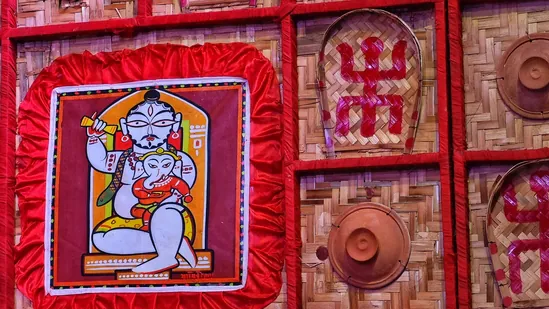
In Hindu traditions, the words Swasti and Swastika are related. The swastika is a very old symbol that is very lucky and which we see at festivals, weddings, when a new home is blessed, and at other religious events.
The traditional religious value of the symbol is to be separated from its co-option by Nazi Germany, which gave the symbol a very different and, in many cases, a very harmful connotation.

In the Hindu religious context, the symbol still puts forth the idea of auspiciousness, and that which is to come is of a good nature.
Why Is Swasti Relevant in 2026?
In modern society, we see that people tend to define happiness in terms of income, material things, career success, and public recognition. But in fact, those are not what bring about peace of mind or fulfilling relationships.
Swasthi, as a concept, puts forth a larger view of progress. It encourages us to question if we are in fact becoming healthier, kinder, more balanced, and more meaningful.
For example, some people who do well for themselves but at the same time ignore their health and family may see that they have not hit the mark with what they think of as success. Also, individuals who put time into their relationships, treat all equally, and enjoy the little things in life may not be counted in terms of money but rather report they are doing very well.
Conclusion
Swasti is a time-honored Hindu term which includes health, happiness, and the wish for a good life. It goes beyond material success to also include personal peace, responsibility, and care for others.
In 2026, its message remains relevant: A full life is also a result of how we live out our days, what we put into the world, and how we get along with the rest of the world.
About the Author