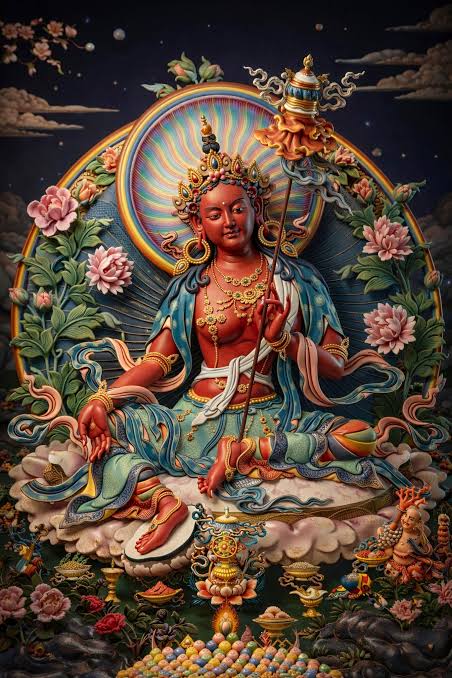
Red Tara is a highly respected figure in Tibetan Buddhism which is associated with compassion, protection, courage and also the removal of obstacles. She is one of the incarnations of Tara, a female bodhisattva who personifies enlightened compassion. Red Tara also has an association with bringing in positive changes, vitality and growth of inner strength. At the same time, some people question whether her mantra’s use has harmful results or, rather, that it does in fact provide spiritual and emotional benefit.
Grasping the classical meaning of Red Tara and the practice of mantra recitation clarifies these issues.
Who Is Red Tara?
In the practice of Tibetan Buddhism, Tara is seen as a very present and protective figure who helps beings to overcome fear and deal with difficulties. Also, it is noted that different aspects of Tara embody different qualities. Red Tara, for instance, is very much related to the colour red, which in some practices stands for warmth, power, attraction, and dynamic compassion.
In different Tibetan Buddhist lineages, her imagery and practices vary. Some forms of Red Tara are associated with particular tantric teachings which may require a qualified teacher.
Is Red Tara Mantra Chanting Beneficial?
Many practitioners report that they see growth in their spiritual lives and development of positive traits from use of the Red Tara mantra. What each person experiences is different, and spiritual benefits must be put in terms of one’s religious belief, not as sure-fire results.
- Promotes Focus and Mindfulness.
Repeating a mantra is a focus for meditation. Paying attention to the sound and rhythm may help practitioners with their attention, watching their thoughts, and developing a regular contemplative practice.
2. Supports Boldness and Valour.
Tara is a goddess of strength, which is traditional. Also known for overcoming obstacles. Her worship includes practices which, in turn, are a call to approach issues with confidence, compassion, and determination.
3. Brings Peace.
Quietly chanting, breathing steadily, and focusing attention may be very tranquil for some. We also note that a regular meditation practice may improve emotional health, but reports vary, and it is important to note that mantra chanting is not meant to take the place of professional mental health care.
4. Intensifies Spiritual Bond.
In Buddhism, followers of the faith report that through mantra recitation, one’s piety grows, as does the focus on themes of compassion, wisdom, and ethically right behaviour. Also, it is an ideal framework in which to connect with one’s tradition.
Is Red Tara Mantra Chanting Dangerous?
There is no empirical science which reports that the Red Tara mantra, when chanted, produces negative results or brings about bad luck. Also, it is worth noting that there are a few practical issues which may apply.
- Tantra Practices May Benefit from Guidance.
Some Red Tara practices are within the scope of certain tantric lineages which in turn may include ritual procedures, visualisations or empowerments. It is up to the practitioner to follow the advice of a skilled teacher, which means that not every practice is the same and that all instructions do not apply to all.
2. Steer clear of fear-based thoughts.
In some online forums, it is put forth that certain mantras may bring about misfortune if chanted incorrectly. That which is put forth as fact should not be accepted so quickly. If a practice causes great distress or fear to the individual, it is reasonable to take a break and get advice from a trusted Buddhist teacher.
3. Keep a balanced routine.
Mantra repetition must fit into the flow of your day. It should not disrupt sleep, work, relationships, or medical treatment. If you experience persistent distress, anxiety or other difficult issues from meditation, it may be helpful to stop the practice and seek out the proper support.
How do Beginners approach Tara Mantra practice?
Beginners should start by getting to know Tara and the tradition in which this practice is rooted. Also, it is important to check the mantra and pronunciation with a reliable Buddhist source, as different forms of Tara may have different mantras.
Approach your practice with respect, start out with what you can handle in terms of routine, and put forth the values of compassion and wisdom as your focus instead of what may come across as producing instant supernatural results. If a certain tantric practice requires empowerment or formal instruction within a tradition, follow that lineage’s precepts.
Conclusion
In Buddhist practice, the Red Tara mantra is seen as a spiritual tool which is associated with compassion, courage, and overcoming obstacles. Many of its doers report it as a point of focus, a base for devotion, and a path to calm. While we have not seen that which is beyond the rare report of harm from ordinary mantra practice, what does happen for each person is very much a matter of their own experience.
The best approach is to practice with awareness, get professional input as needed, and at the same time not be bound by fear-based assertions. In terms of the value of mantra chanting, what matters is that it has a place in a living spiritual tradition and the way it is promoted every day in and out of the ritual setting.
About the Author