
The Southeastern Conference what most know as the SEC is a very recognized collegiate athletic conference in the US. Known for its great sports, historic campuses, and dedicated campus communities, the SEC has grown to play a large role in American higher education. In 2026, the conference will consist of 16 universities that provide academic programs, research, and athletic opportunities to students from all backgrounds.
Although the SEC is a sports organization by primary function, its members also put out work in education, science, technology, and public service.
History of the Southeastern Conference
In 1932, the Southeastern Conference was founded, with the first competition in 1933. The conference came to be when a group of schools broke away from the Southern Conference to form a new athletic association.
At first, the SEC had 13 founding member institutions. Over the years, membership has changed as new universities joined and old ones left.
In 1991, a large expansion took place, which saw the University of Arkansas and the University of South Carolina join. In 2012, we saw the University of Missouri and Texas A&M University also join.
The in 2024 summer we saw the growth of our conference as the University of Texas and the University of Oklahoma became members which brought the total number of universities to 16.
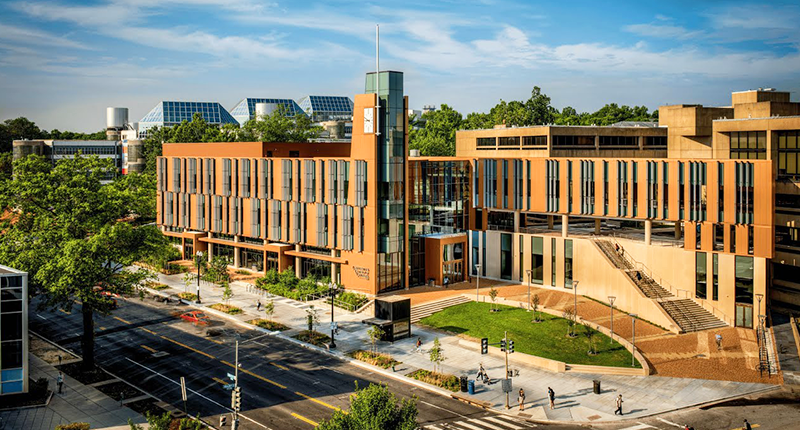
In 2026, the membership of the Southeastern Conference will include the following universities.
As of 2026, the SEC will include these 16:
University of Alabama at Tuscaloosa, Alabama.
Auburn, which is in Alabama.
University of Arkansas in Fayetteville, Arkansas.
University of Florida in Gainesville, Florida.
University of Georgia in Athens, Georgia.
UK in Lexington, Kentucky.
Louisiana State University, which has its campus in Baton Rouge, Louisiana.
Mississippi University for Health Sciences in Oxford, Mississippi, which is also known as Ole Miss.
Mississippi State in Starkville, Mississippi.
University of Missouri in Columbia, Missouri.
University of Oklahoma in Norman, Oklahoma.
University of South Carolina in Columbia, South Carolina.
University of Tennessee in Knoxville, Tennessee.
University of Texas at Austin in Austin, Texas.
Texas A&M in College Station, Texas.
Vanderbilt in Nashville, Tennessee.
Each university within a conference brings its own academic strength, tradition, and campus culture, which in turn makes the conference diverse while at the same time sharing an athletic identity.
Academic Opportunities at SEC Universities
SEC institutions provide a wide range of undergraduate, postgraduate, and doctoral programs in many fields.
Students study in a variety of fields which include engineering, business administration, medicine, agriculture, law, computer science, communication and liberal arts.
The University of Florida and UT Austin are known for their research and academic programs which cover many disciplines.
Texas A&M is known for its strong programs in engineering, agriculture, and applied science. Also, the conference’s only private school, Vanderbilt, is recognized for its research-focused academic setting.
Other institutions such as the University of Georgia, LSU, and the University of Tennessee present, in large part, very wide-ranging programs enabled by research facilities and industry partnerships.
Academic programs’ quality, tuition fees, and admission requirements vary greatly between universities.
Sports and Athletic Achievements
Athletics is what the Southeastern Conference is known for.
American football is very popular which also includes the like of Alabama, Georgia, LSU, and Texas, which have strong football traditions.
SEC football games are known for large stadiums, dedicated fans, and classic rivalries.
Also, the conference is not limited to football. Basketball, baseball, softball, gymnastics, swimming, athletics and also many other sports are a part of its reputation.
The SEC is a supporter of women’s sports, which includes high-level competition for female athletes.
Student athletes also put to the task of balancing academic duties with rigorous practice schedules which in turn makes institutional support very key.
Student Life and Campus Culture
Life at SEC schools goes beyond the classroom and the stadium.
Students get into cultural organizations, volunteer activities, academic clubs, leadership programs, and community projects.
University communities like Athens, Gainesville, Oxford, and College Station have distinct traditions related to their institutions.
Sporting events bring together students, alumni, and local communities and foster a great sense of belonging.
International also is the case for foreign students which is true of academic and extracurricular activities.
Admission and Scholarships in 2026
Admission criteria differ by university and program.
Applicants usually present with the right academic background, supporting docs, and when they have to present it they do so in a proficient which is in English.
Some universities present merit-based scholarships as well as departmental awards and financial aid, but what we see is that for international students in particular, the eligibility and funding availability are different.
Prospective students should review tuition costs, accommodation options, scholarship terms, and academic requirements before choosing a school.
In 2026, which SEC Universities matter?
The Southeastern Conference is a blend of academic chance, sports tradition, and institutional identity.
Its growth has seen us expand into new geographies and introduce more competition among member universities.
For students, joining the SEC means being in a dynamic campus setting, which in turn does not define a school’s academic quality.
Choosing which institution to attend should be based on individual career goals, program strengths, affordability, and personal preferences.
Conclusion
The SEC has grown from a regional athletic association to a major player in American collegiate sports.
In 2026, we will have 16 member universities that include academic programs, research activities, and sports traditions.
In many fields, including engineering, business, medicine, and competitive athletics, SEC schools present a large array of academic programs. Also, it is through this that we see how academic institutions and sports teams play a role in the identity of the campus and the community.
About the Author