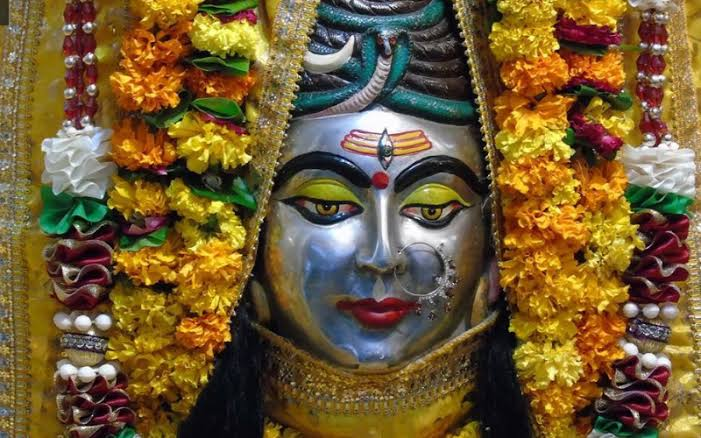
Navagraha Shanti Puja: Benefits, Temples and Costs in 2026-27
Ask a Vedic astrologer why things aren’t going your way and there’s a fair chance the answer involves the nine planets. The idea is simple. The sky at the moment you were born is said to shape your nature and your luck, and when a planet sits badly in your chart, trouble can follow: money slipping away, work stalling, health nagging at you. Navagraha Shanti Puja is the ritual people book when they want to set that right.
What the puja actually is
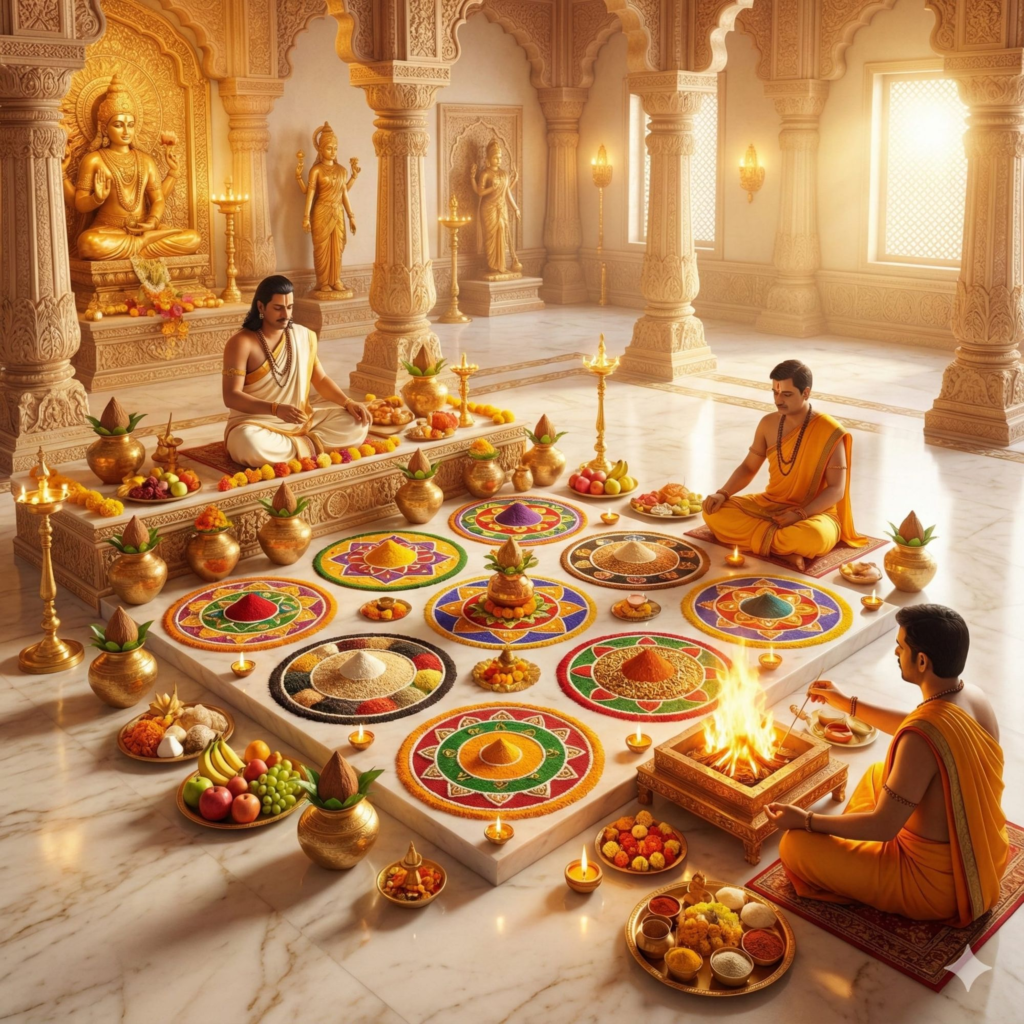
Nava means nine and graha means planet. The ritual honours Surya, Chandra, Mangal, Budh, Guru, Shukra, Shani, Rahu and Ketu in one sitting. A priest chants mantras, makes offerings and lights a havan, with the aim of calming the planets causing grief and boosting the friendly ones. Plenty of families also schedule it before a wedding, a housewarming or the launch of a new business.
Why people do it
Devotees mention the same hopes again and again: weaker doshas, fewer obstacles at work or in studies, better health, steadier income and a calmer mind. Specific mantras get special mention, such as Ketu’s for self-awareness and Budh’s for smoother communication. You don’t have to be a firm believer to see the appeal. Setting aside a few hours for a focused ritual can feel like hitting a reset button.
Where to go
Some people prefer a temple to their living room. These are the ones that come up most often:
Guwahati’s Navagraha Temple sits on Chitrachal Hill and holds nine Shiva lingams, one for each planet. If you live in the Northeast, it’s the obvious choice.
In Ujjain, the Navagraha shrine stands just behind the Mahakaleshwar Temple, close to Bada Ganpati, and sees a steady stream of visitors.
Nashik has the Anna Ganapati Navagraha Siddhapeetham, where each planet is worshipped alongside its consort. Over in Pune, a well-known Shani shrine stands near Shaniwar Wada.
Down south, Kumbakonam’s Suryanar Kovil anchors a whole circuit of Navagraha temples, and Chennai’s Agatheeswarar Temple at Kolapakkam is linked to Sage Agastya and the Sun God.
What you’ll need
The list is long but familiar: flowers, fruit, sweets, mango and betel leaves, Gangajal, kumkum, haldi, chandan, sesame oil, camphor, a kalash and a Navagraha yantra. Tradition also calls for nine pieces of coloured cloth. Most pandits hand you the exact list, and many will source everything for you.
What it might cost in 2026-27
Prices swing widely. One older listing put a basic puja around ₹2,100 and a longer version with jaap near ₹11,000. Add more priests, travel or a stay, and the bill climbs. Those numbers predate 2026-27, so treat them as a starting point and ask for a current quote.
Picking a pandit
A search will turn up dozens of names, and not all of them are worth your trust. A good pandit looks at your kundli before recommending anything, walks you through each step and settles the fee before the day arrives. That goes for online bookings too.
One last thought
Whatever the stars have in store, the puja is really about slowing down, saying thanks and asking for a bit of balance. Do it with a pandit you trust, and you’ll likely come away feeling lighter.
About the Author