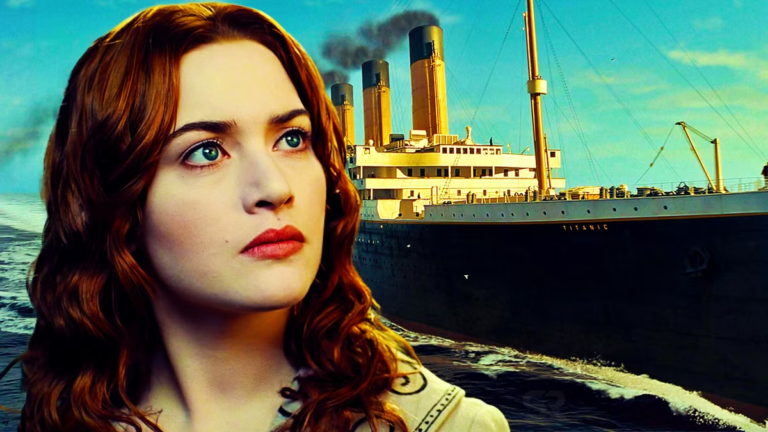
The Titanic (1997 movie) created by James Cameron is one of the most outstanding romantic films ever made. The main characters were Jack Dawson and Rose DeWitt Bukater, travelling aboard the RMS Titanic.
Whereas Rose, the main female character, is well known for being excellently portrayed by Kate Winslet, very few people know that Rose was inspired by a real person.
That real Rose’s name is Beatrice Wood, an American ceramist famous for her independent nature and artistic achievements.
The Real Rose of Titanic is as captivating even in 2026.
Who is the Real Rose of Titanic?
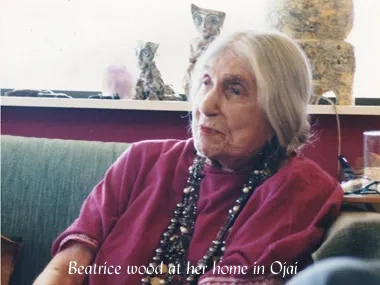
Beatrice Wood was an American ceramist who was born on March 3, 1893, in San Francisco, California.
She was raised in a well-to-do family but possessed an independent nature and great artistic talent.
Contrary to what people expected from her, Wood chose to be a painter, theatre actor, and pot maker.
She was recognised for her unique ceramics and beauty.
Her sense of adventure and independence inspired James Cameron to create Rose from Titanic.
But Beatrice Wood never travelled on the Titanic, and the entire affair described in the movie was fiction.
In what way Beatrice Wood Inspired Rose
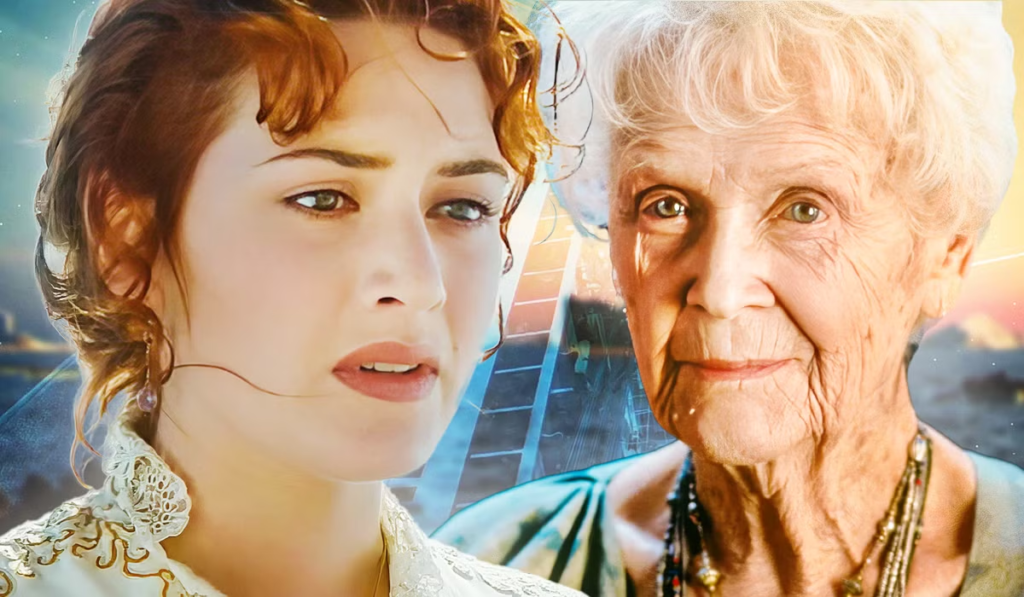
The character of Rose in the film is inspired by Beatrice Wood.
The book I Shock Myself, written by Wood, provided Cameron with ideas about her life.
Her independent character and desire to do something forbidden for women made her similar to Rose.
Both women challenged the social conventions of their society and background.
While Rose wants to live her own life and not the one chosen by her family, Beatrice devoted her life to art and freedom.
The Fascinating Life of Beatrice Wood
Beatrice Wood: A Life of Artistic Creativity and Resilience Essay
Beatrice Wood was one of the most fascinating personalities of her time. As a young woman, she joined the vibrant artistic scene of New York and Europe.
Being friends with notable Dada figures like Marcel Duchamp exposed her to revolutionary ideas.
Soon, her interest in pottery and unique skills made her a famous ceramic artist.
Her distinctive Lustre glazes and decorative items became highly desirable among collectors.
But pottery was not Beatrice’s only activity.
Even in her early eighties, she continued making art.
No matter her age, she never stopped being curious and experimental.
So, what happened to Beatrice Wood on the Titanic?
One common myth concerning the real Rose is that Beatrice Wood survived the Titanic wreckage.
In fact, she never boarded the ship.
The Titanic was lost in the ocean on April 15, 1912, after hitting an iceberg.
The fates of Jack Dawson (the fictitious character whose creator, James Cameron, gave him the last name of Wood’s real husband’s surname) and Rose DeWitt Bukater (a woman who had nothing to do with the Titanic, but whose image was idealised by the movie’s author) are entirely fictional.
In reality, Beatrice Wood was not on the Titanic, and her role in the story of the “unsinkable ship” ended with the creation of the script.
A Memorable Meeting With Beatrice Wood
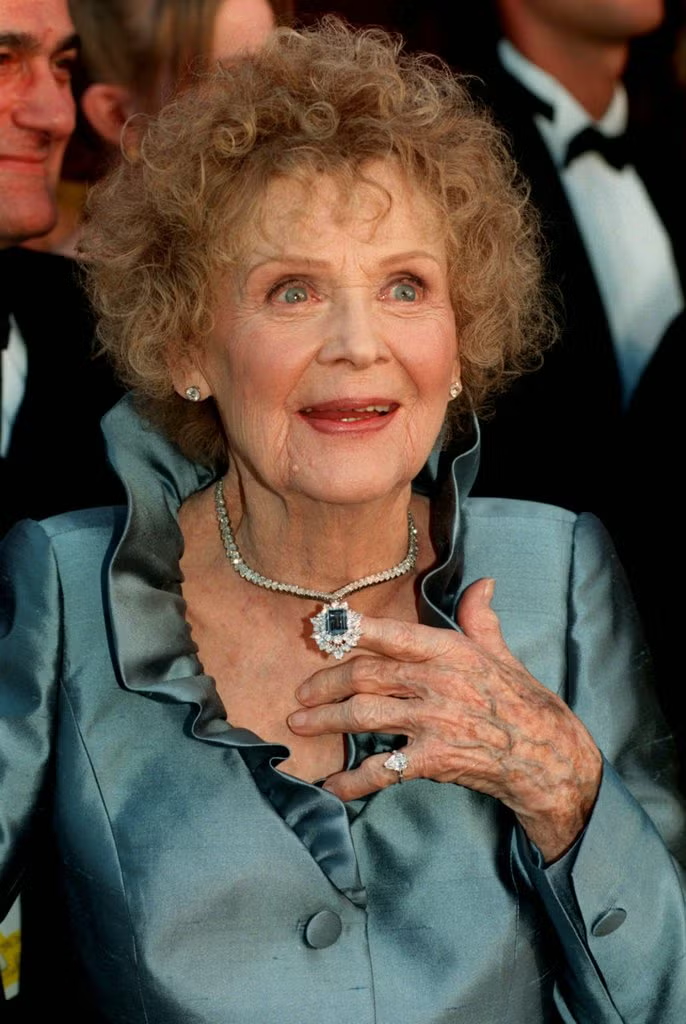
Perhaps one of the most interesting interviews with Beatrice Wood was conducted by journalist Sandip Roy, who met her in Southern California when she was 104 years old.
During the interview, Wood was uninterested in talking about the Titanic, but enthusiastically discussed India, her trips, jewellery, and artistic experience.
Her vivacious character, humour, and love for freedom made the meeting unforgettable.
Even at such an advanced age, she retained her curiosity, outspoken nature, and memories of extraordinary people.
Special Connection of Beatrice Wood With India
One interesting aspect of Beatrice Wood’s biography is her strong love for Indian culture.
She admired traditional Indian clothes, especially saris, and enjoyed wearing Indian jewellery.
Her interest in Indian philosophy allowed her to meet figures such as Jiddu Krishnamurti and Rukmini Devi Arundale.
Wood was fascinated by Indian folk arts and travelled around the country visiting traditional craft villages.
In the 1960s, she exhibited pottery in India and formed contacts with people of various cultures.
The Love Story That Remained Unfinished

Beatrice Wood’s Biography: Focus on Complicated Relationships and Romantic Experiences Essay
The most notable events in Beatrice Wood’s personal life involve love and romance.
Her relationship with an Indian scientist whose identity she never disclosed remains a mysterious episode.
They planned to marry, but family religious beliefs and cultural differences made further meetings impossible.
Wood visited India several times to see him and had profound conversations with him.
The relationship was tragic, but Wood never regretted it and remembered those days tenderly.
A similar scenario could hardly have been repeated in “Titanic”: although Jack and Rose could stay together, it would not have been a true ending.
Wood experienced real-life tragedies throughout her century-long journey through love, self-discovery, and freedom.
Why Did Beatrice Wood Refuse to Watch “Titanic”?
Another notable episode was the invitation to watch “Titanic”. James Cameron and Gloria Stuart organised it, but Wood declined because she was too old to witness such a heartbreaking story.
Wood died at 105 in 1998. Her last years involved reflecting on life’s beauty, and letters revealing her spiritual experiences were discovered after her death.
My Personal Favourite
As far as I am concerned, what I like most about Beatrice Wood’s story is her incredible independence.
I am amazed by her admiration for Indian culture, including clothing and jewellery she liked when such interests were uncommon among Western artists.
Living as she wanted makes her story more remarkable than the character she influenced.
Conclusion
The true story of the Rose of Titanic goes beyond one movie.
Beatrice Wood was an artist, traveller and independent woman whose personality influenced the older Rose.
Although she was not a Titanic passenger, her experiences involving love and creativity were equally fascinating.
In 2026, her story remains fascinating beyond the screen.
About the Author