And just being a divine couple. It’s more like they’re two sides of one cosmic equation. Shiva represents pure awareness and stillness—he’s all about deep transformation and the quiet force in Indian mythology overflows with stories of Shiva and Durga, but their relationship runs deeper than just two sides. Durga, on the other hand, stands as a legendary pairing. They stand for power and action. She fights for cosmic balance. Shiva is pure awareness—calm, transformative, steady. Durga, on the other hand, is all action and power, the force that steps in, ts, protects, and brings unstoppable energy and gets things done. Sometimes, you’ll hear people mention “The Hidden Shiva Behind Durga.” It’s a phrase that hints at Shiva’s quiet presence in the world.
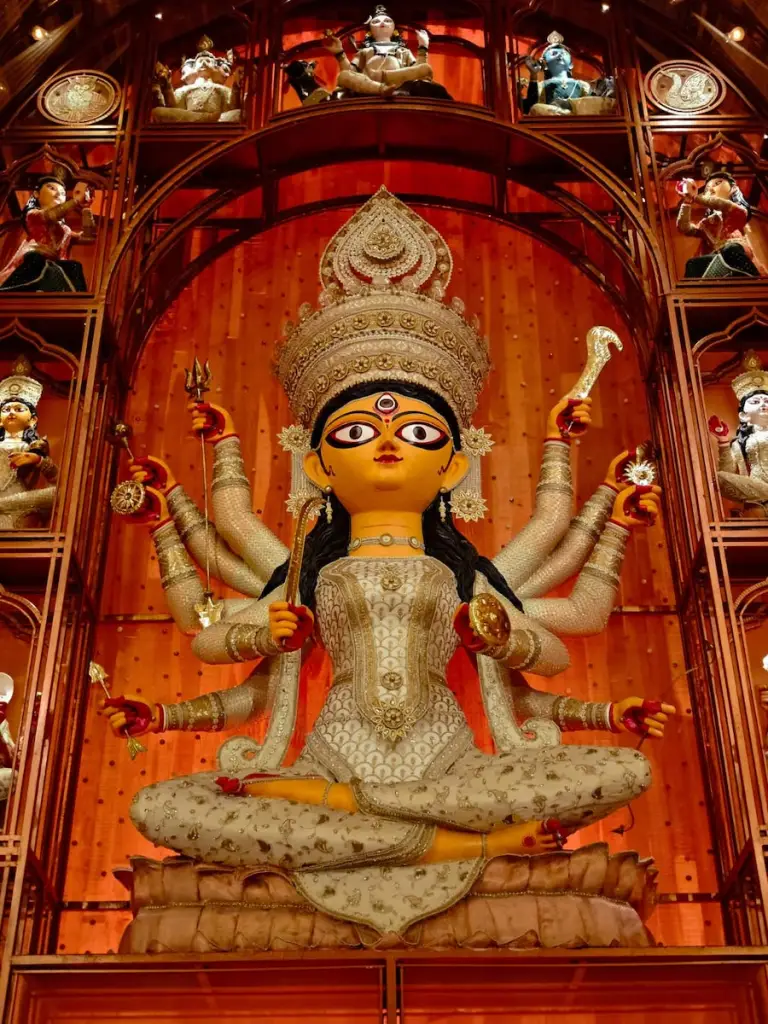
You sometimes hear people mention “The Hidden Shiva Behind Durga’s” fierce energy. Just to clear things up: “Durgal” isn’t a classic term you’ll find in Hindu scriptures. Its meaning shifts, depending on the context; hear the phrase “the hidden Shiva behind Durga’s story or tradition.
When you look closer at their connection, you start to see Durga as Shakti—the raw, al.” It’s a kind of mysterious, vital energy that takes on evil and shields the pious. Honestly, “Durga” isn’t a world. Shiva’s role feels more inward: he’s the spirit of consciousness, the part that stands apart and observes. Hindu philosophy often repeats this idea; you’ll find it in standard Hindu scriptures, so its meaning changes depending on who’s using it or where the story’s coming from. But either way, it’s an invitation to look past Durga’s fierce, active form and notice Shiva’s quiet presence under the surface.
If you dig into their relationship, you’ll see Durga is pure Shakti—that’s the primal, feminine energy that smashes through evil and keeps the universe moving. Shiva, in contrast, is the stillness that lets energy flow—a sort of backdrop of consciousness and detachment. Hindu philosophy sees them as inseparable. One alone doesn’t do much; together, they make the world tick. The form of Ardhanarishvara—half Shiva, half Parvati—makes this really vivid. Masculine and feminine aren’t divided; they’re two halves of a whole.
So when people talk about “hidden Shiva,” they’re usually pointing to something deeper. Shiva is the silent wisdom behind Durga’s visible might. She acts; he observes. Her battles and protection rest on the foundation of his awareness and calm. It’s a reminder: What looks powerful on the outside is even stronger when rooted in purpose and self-knowledge.
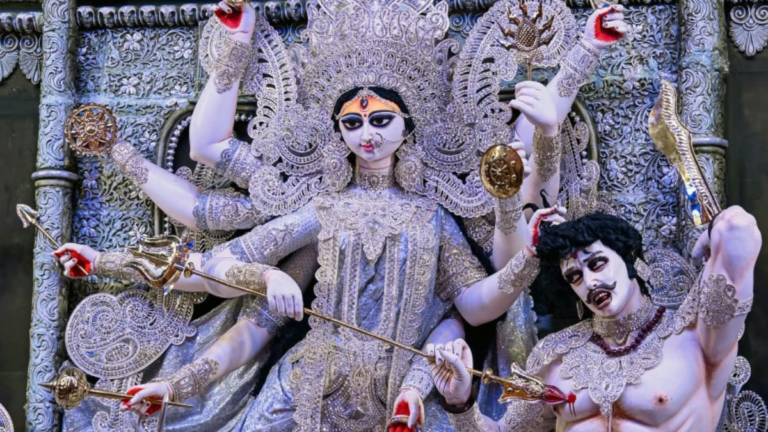
Take Durga’s famous triumph over Mahishasura—that’s divine energy wiping out chaos and darkness. Meanwhile, Shiva’s role is often revealed in his partnership with Shakti (mostly as Parvati). Every region, every temple, has its own version of these stories, so the meanings can shift. If someone refers to a “hidden Shiva” behind a goddess, a temple, or a ritual, it’s worth asking what that means in that particular setting, instead of assuming there’s just one universal answer.
Right now, lots of people are searching for that blend of strength and balance. The Shiva-Durga relationship isn’t just about gods and ancient myths—it’s a pretty powerful way to think about how to live. Durga inspires you to act, to fight when you need to. Shiva reminds you to pause and reconnect with yourself first. Together, they offer a model for pairing courage with calm, action with insight.
So, “the hidden Shiva behind Durgal” is really just a shortcut for talking about the deep unity between Shiva and Shakti. And while “Durgal” itself is a little fuzzy, the real lesson comes through loud and clear: find a balance between action and awareness. Draw on both courage and consciousness. When you do, you’re moving in step with one of the oldest rhythms of all. These energies—Shakti and Shiva—can’t really be separated. One without the other just doesn’t work. That’s what the image of Ardhanarishvara shows: Shiva and Parvati as two halves of one being. It’s striking, maybe even odd, but it makes the bigger point that masculine and feminine elements aren’t fighting each other. They’re two halves of the same whole.
When people mention “hidden Shiva,” they’re usually getting at this quiet layer beneath all the intensity—Shiva as the silent witness behind Durga’s action. Durga is the strength and movement, while Shiva is the deep calm at the core. They work together, balancing each other—toughness paired with wisdom. It’s kind of a reminder: all that looks powerful on the outside is even stronger when it’s rooted in awareness, care, and responsibility.
The story of Durga defeating Mahishasura is the perfect example—divine force knocking out evil. Shiva’s partnership with Shakti—often seen through his bond with Parvati—shows up all over mythology and in temple traditions, each one with its own spin. So if you run into someone talking about a hidden Shiva connected to a particular goddess, temple, or festival, it really depends on that specific context. There’s no single answer that fits everywhere.
Right now, people crave this kind of balance—inner strength mixed with calm. Shiva and Durga aren’t just ancient myths; they’re a model for how to live. Durga urges you to face what’s hard; Shiva shows you it’s wise to stop, breathe, and get clear before you leap in. They remind us that real power needs a grounded center.
So, when someone says “the hidden Shiva behind Durgal,” they’re pointing to this deep relationship between energy and awareness. Sure, the word “Durgal” is a bit of a mystery, but there’s no confusion about the broader message: Shiva and Durga, together, keep teaching us to blend courage with mindfulness, action with insight, and to find some balance as we move through life.
About the Author