What Is Mankading in Cricket? (2026)
Say “Mankad” in a room full of cricket fans and watch the room split in two. It’s one of the few dismissals that can ruin a perfectly good dinner.
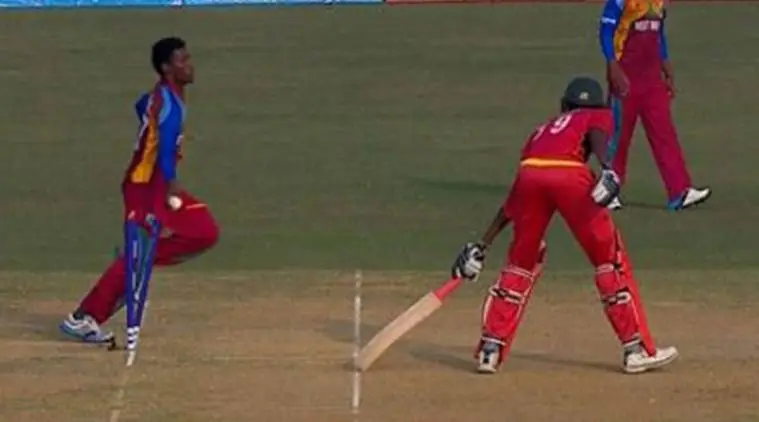
So, what actually happens?
The bowler is about to deliver the ball. The batter at the other end, the non-striker, has already started creeping down the pitch. The bowler notices, stops short of releasing the ball, and knocks off the bails. If the batter is still out of their crease, that’s a run-out. That’s all Mankading is.
Why is it called that?
It’s named after Vinoo Mankad, the Indian all-rounder. On India’s 1947-48 tour of Australia, he ran out Bill Brown at the non-striker’s end in a Test in Sydney. Mankad had already warned Brown about it in an earlier match, but that didn’t stop the Australian press from slamming him. Oddly enough, Don Bradman, an Australian, said Mankad had played within the rules.
The name has never been official. You won’t find “Mankad” anywhere in the MCC’s Laws of Cricket.
It used to be filed under “unfair play”
For decades, the law sat in the section on unfair play, which made it feel like a dirty trick even when it was legal. In 2022 the MCC moved it into the ordinary run-out law, and the ICC brought it into its playing conditions from 1 October that year. These days it’s treated like any other run-out. The only catch is timing: the bowler has to do it before their delivery action is complete.
The fights it keeps starting
In the 2019 IPL, Ravichandran Ashwin did it to Jos Buttler, and the internet lost its mind. Then, in September 2022, Deepti Sharma ran out Charlie Dean at Lord’s to finish an ODI, and the whole argument started again, this time with the new law in the books.
The critics say it breaks the Spirit of Cricket and that a bowler should at least give a warning first. The other side says the batter is the one cheating, picking up a free yard or two every ball.
Think of the no-ball
Here’s the comparison I find hardest to argue with. If a bowler steps over the line, it’s a no-ball, and in white-ball cricket the batter even gets a free hit. Nobody calls that harsh. The bowler knew where the line was.
Backing up too early is the same kind of mistake. Staying in the crease until the ball leaves the bowler’s hand costs the batter nothing. No skill, no effort, no risk.
Where it stands
It’s legal, and the law is clear. Whether it’s good sportsmanship is a different question, and people will keep disagreeing about it. If you’re a batter, though, the advice is simple: wait for the ball to be released before you go.
About the Author