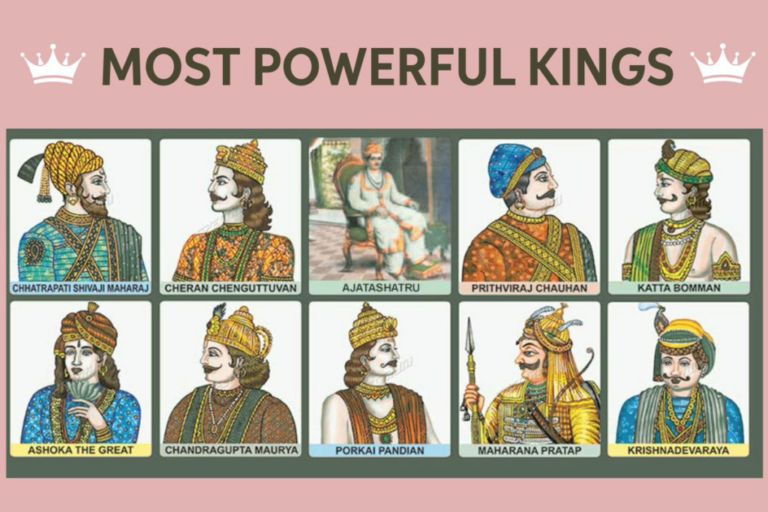
India’s past is more than what is recorded in history books; it is a tale of ambition, courage, culture, administration, and at times very personal great struggles. As a native of Assam, I have had this great interest in Indian history, which I think is because the names we study in school are of empires and concepts that had a much larger reach than the areas they actually ruled. From the Mauryas and the Cholas to the Mughals and the Marathas, those rulers played a large part in the formation of the India which we live in today.
1. Emperor Akbar
Akbar was a very preeminent Mughal ruler. He greatly expanded the empire and introduced administrative and revenue reforms. Also, he was interested in various religions, literature, art, and intellectual discussion, which made his rule stand out.
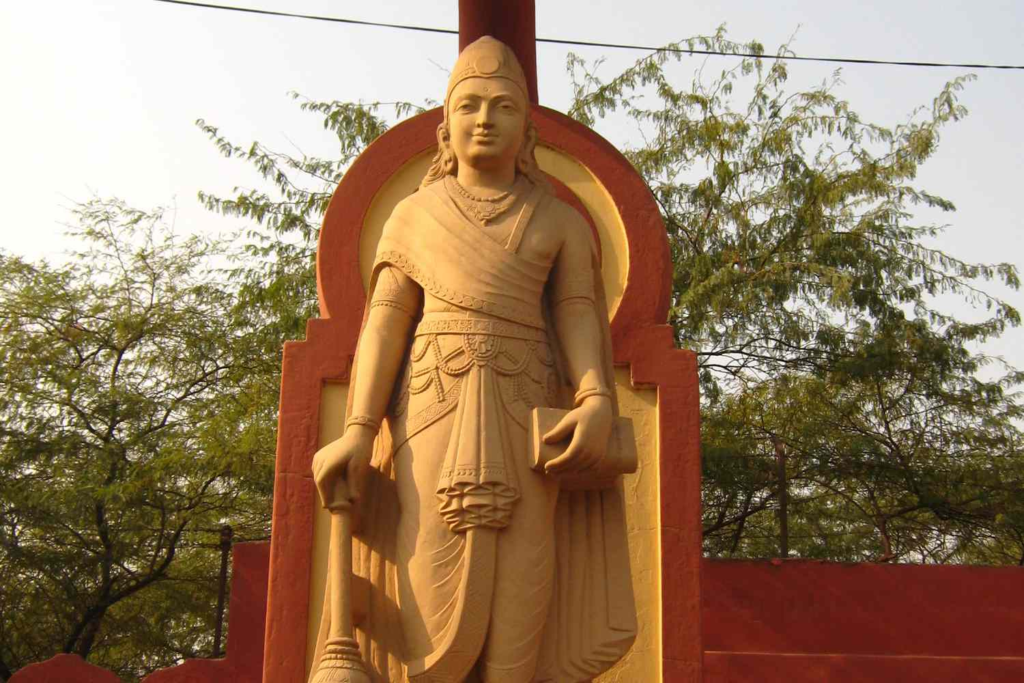
2. Chandragupta Maurya
Chandragupta Maurya, who was the founder of the Mauryan Empire, brought large sections of the Indian subcontinent under a central administration. With the help of Chanakya, he built what was to become ancient India’s most powerful empire.
3. Emperor Ashoka
Ashoka’s change after the Kalinga War is a very remarkable story in Indian history. He adopted Buddhism and pushed for peace, compassion, and moral governance. His edicts and the Ashoka Chakra are still very much present in today’s India.
4. Bahadur Shah Zafar
The last Mughal emperor which was Bahadur Shah Zafar he is remembered as a poet in addition to being a ruler. Also, it is to be noted that he became a symbol of leadership during the 1857 Revolt and spent his later years in exile.
5. Krishnadevaraya
The Vijayanagara Empire’s great ruler grew his kingdom through military success, efficient administration, trade, and cultural patronage. His time is also that of the great revival of the Vijayanagara culture.
6. Prithviraj Chauhan
Prithviraj Chauhan is a famous Rajput ruler of Ajmer and Delhi. He is known for his wars with Muhammad Ghori and has become a legend that is still very much alive in medieval Indian history.
7. Shah Jahan
Shah Jahan is linked forever with the Taj Mahal, which was built for his wife Mumtaz Mahal. Also, during his reign, other great structures like the Red Fort and Jama Masjid were built.
8. Chhatrapati Shivaji Maharaj
Shivaji Maharaj established the base of the Maratha state through his brilliant use of war and fort management, and he also excelled in administration. He built a very organized army and navy, which is his legacy.
9. Humayun
During much of Humayun’s reign, the empire was in flux, which saw him lose out at times but also which presented him with the opportunity to win back what was lost. Though he at one point gave up the throne to the Afghans, in the end Humayun retook Delhi, which in turn set the stage for his son Akbar’s great expansions.
10. Harshavardhana
Harshavardhana in the 7th century ruled over large areas of northern India. He is noted for his support of education, literature, religion, and public welfare, which in turn saw the growth of Kannauj as a preeminent political and cultural center.
11. Sambhaji Maharaj
The Maratha, Shivaji Maharaj’s son and successor, Sambhaji took up the reins of power and saw great military action against the Mughals. His short rule was a time of very long military campaigns and great personal sacrifice.
12. Kanishka the Great
Kanishka from the Kushan dynasty was a great military leader and also a patron of Buddhism. His empire was a key player in the exchange of ideas, art, and Buddhism along the Silk Road.
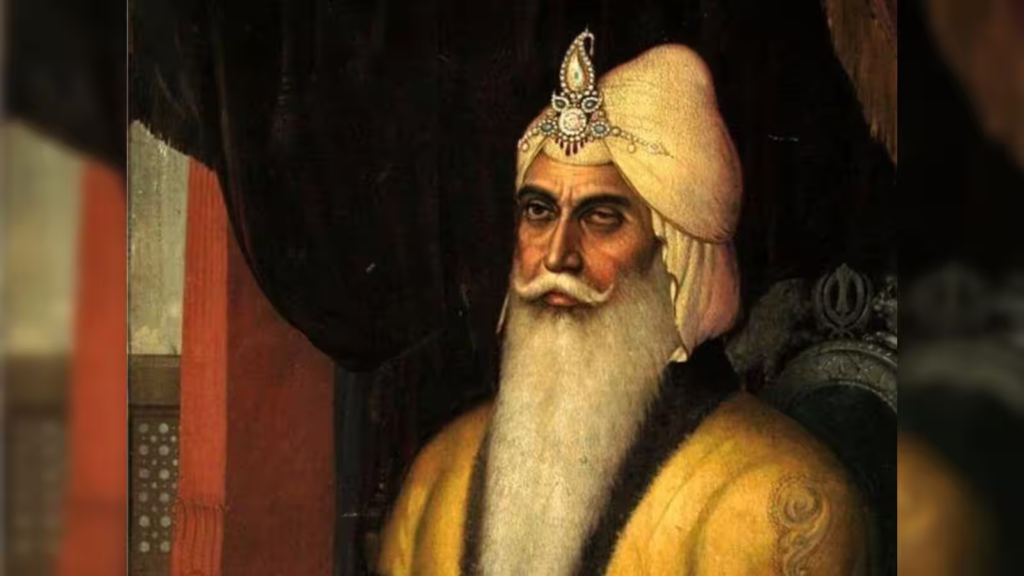
13. Maharaja Ranjit Singh
Ranjit Singh, known as the Lion of Punjab, unified many Sikh misls and founded a great Sikh Empire. He had an admin which included people from various communities and was into military and economic modernization.
14. Bahadur Shah I
Bahadur Shah I took over the reign from Aurangzeb in 1707. His rule saw the Mughal Empire at a crossroads, which was very difficult to navigate, which was that of preserving the unity of the empire.
15. Raja Raja Chola I
Raja Raja Chola I built an empire out of the Chola kingdom. In terms of administration, military growth, temple building, and navy, he did the most for South India out of all his predecessors.
16. Bindusara Maurya
Bindusara took over from Chandragupta Maurya and did what is to say in keeping the Mauryan Empire large. Though not as well known as his father and son Ashoka, he played a very important role in maintaining the dynasty.
17. Chandragupta Maurya’s Legacy
Chandragupta’s legacy was beyond the issue of land conquest. What he did was to put in place a centralised system which in turn became the base that his son Bindusara and grandson Ashoka grew the Mauryan Empire upon.
18. Kanishka’s Cultural Legacy
Kanishka was known for his military campaigns but also for his support of Buddhism and for promoting cultural exchange. His time saw the connection of Indian culture with that of the Central and the East Asia.
Conclusion
These 18 rulers, who straddled different centuries, regions, religions, and dynasties still each left their unique mark on Indian history. Some are known for the expansion of their empires, others for their architectural legacy, administrative reforms, cultural promotion, or religious transformation. What I am interested in seeing is that their narratives go beyond the king and the battle; they tell the story of how various ideas and cultures slowly came to shape the Indian subcontinent. Thus, the study of these rulers is less a matter of memorizing history and more of peeling back the many layers of India.
About the Author