Long-term care planning is emerging as an integral component of retirement planning in India. With advancing age, healthcare requirements may move beyond hospitalisation to include home nursing services, rehabilitation, daily living assistance, disease management or long-term personal care.
As of 2026, LTC insurance remains a rarity in India relative to traditional health insurance policies. Consequently, it requires the amalgamation of appropriate health insurance, senior citizen insurance, top-ups, critical illness insurance and savings.
What Is Long-Term Care Insurance?

LTC insurance is designed to meet costs associated with long-term care requirements due to ageing, disability, chronic illness or dementia.
Care services may relate to assisting in basic activities of daily living such as bathing, feeding, dressing and moving. Care may be offered either at home or through assisted living facilities or nursing homes, depending upon the product or market.
It is different from regular health insurance, which covers eligible medical treatments and associated expenses.
Why Is Long-Term Care Planning Important?
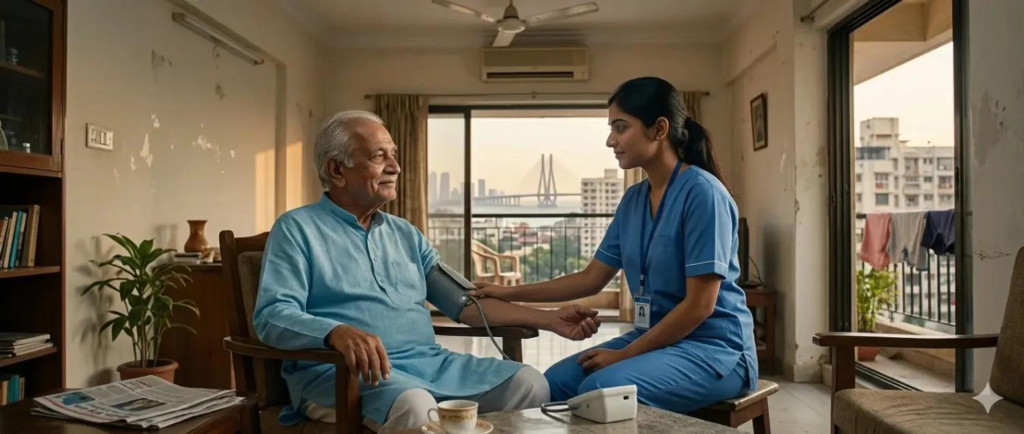
However, there could be substantial strain on your retirement fund if you need healthcare and/or caregiving services for an extended period of time.
Planning for long-term care involves trying to create a financial cushion such that the costs of your medical and/or caregiving needs do not eat up your whole retirement savings fund.
It can also help alleviate the burden that would otherwise be faced by the children or any other relatives, who would have to cover these expenses.
Long-Term Care Insurance in India

The Indian insurance market currently does not offer a large range of stand-alone LTC insurance products like some other countries.
There are some other ways through which you could get your long-term care needs taken care of from the Indian insurance market. These include senior citizen health insurance, home care coverage, critical illness insurance, disability insurance, super top-ups and various add-ons.
These products, however, should not be taken to mean that they are LTC policies.
1. Senior Citizen Health Insurance

Health insurance for senior citizens can be the cornerstone of healthcare during retirement.
Depending on their terms, such insurance can provide eligible hospitalisation, day care treatments, costs associated with pre- and post-hospitalisation, as well as many other services.
During comparison, one should pay special attention to co-payments, room rent limits, waiting periods, disease-specific sub-limits and pre-existing diseases.
2. Home Healthcare Insurance
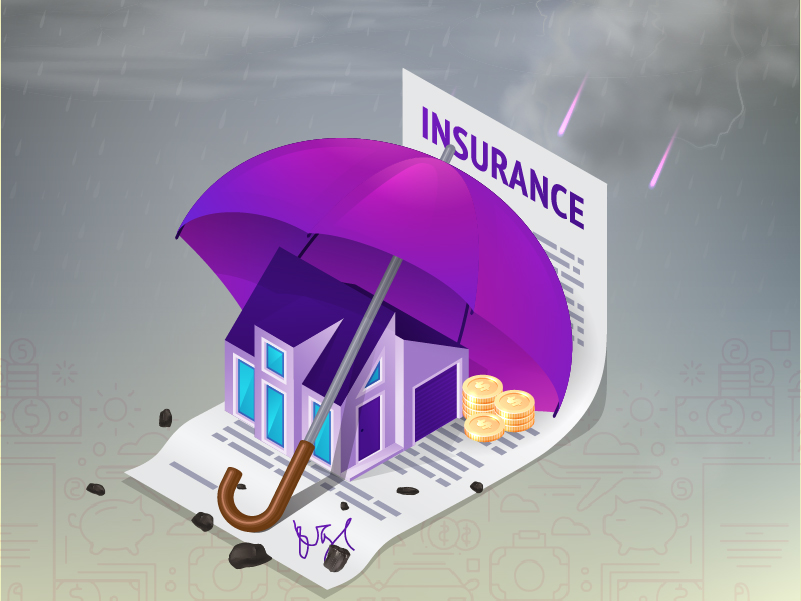
Home healthcare becomes more relevant when patients become unable to attend hospitals for various reasons.
Some health insurance policies can include home healthcare under certain conditions.
However, it is essential to understand that medical home treatment is not custodial assistance. A health insurance policy for a nurse who provides treatment can exclude assistance with cooking, bathing and moving.
3. Critical Illness Insurance
Critical illness insurance offers a fixed benefit upon diagnosis of a critical condition.
This benefit may help cover expenses related to treatment, household maintenance or anything else.
Such insurance should be considered an addition to rather than a substitute for health insurance since only specific illnesses are covered.
4. Super Top-Up Health Insurance
A superb top-up plan may also be used to offer further protection in case of any eligible health expenses exceeding the deductible as specified in the terms and conditions of the plan.
This is a good way of protecting your retirement funds from huge hospitalisation expenses without depending fully on a high base policy.
It is important to understand the deductible, exclusions, waiting period and claims process before purchasing.
5. Create a Separate Medical Fund

Not everything is covered by insurance. Having a special fund for health emergencies will assist in taking care of any exclusions, copayments, medicines, modifications, attendants and many others.
Ideally, this should be different from the money set aside for regular retirement needs.
The size of the fund will vary depending on several factors.
Start Planning Before Retirement
Delaying till the occurrence of severe health issues can complicate the process of insurance planning.
It will provide ample opportunities to save and assess insurance plans while one is comparatively healthier. At the same time, it provides sufficient time to increase retirement assets.
Individuals close to their fifties can start assessing how much of their retirement corpus may need to be spent on health.
Check Pre-Existing Disease Conditions

Pre-existing diseases will play a vital role while buying insurance plans at a later stage in life.
Certain policies will have certain conditions to consider certain diseases after waiting for some time before being considered for coverage. Disclosing information regarding pre-existing diseases is very important while buying insurance.
Failure to disclose medical information can lead to complications when making claims.
Consider Healthcare Inflation
A retirement plan that relies on current healthcare expenses could prove insufficient in the future.
Healthcare expenses could become higher over time, which means that insurance coverages and personal health care savings need to be checked periodically, rather than just buying once and forgetting about them forever.
Expanding coverage whenever necessary or purchasing additional coverage might help deal with new financial realities.
Understanding What the Policy Is Not Covering
Even a high level of coverage does not mean all the healthcare expenses will be paid.
Look into any exclusions, deductibles, copayments, room limitations, waiting periods, home-care provisions and sub-limits. Check if assisted living, rehabilitation, nursing and non-medical caregivers are covered under the policy or not.
It is much more informative to read what is said in the policy than in its advertising.
Creating a Care Plan for Your Family
Health care planning is not a matter of financial preparation alone. Families need to think about who will take responsibility for care coordination, preferred hospitals, emergency contacts, important documents and places where the patient wants to receive care.
Knowing details of insurance policies, medication and medical history could make the situation easier in an emergency.
My Personal Favourite
What seems practical for me is the approach of having multiple protection layers rather than relying on a single insurance product to cater to all aspects of retirement needs.
An adequate health insurance package along with suitable top-up insurance and a healthcare fund allows some leeway for any costs that might be excluded from insurance coverage.
Conclusion
Planning for long-term care in India in 2026 means more than preparing for hospital stays. The possibilities of home healthcare, chronic illnesses, rehabilitation, caregiving and unforeseen medical costs could affect one’s retirement savings.
As comprehensive stand-alone long-term care insurance coverage is rare in India, it is wise for consumers to select the right insurance coverage along with their personal savings.
About the Author