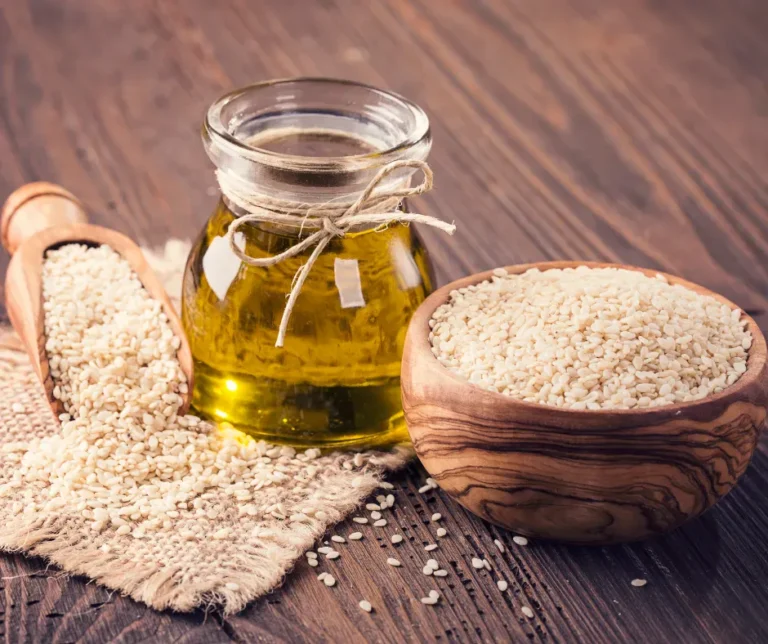
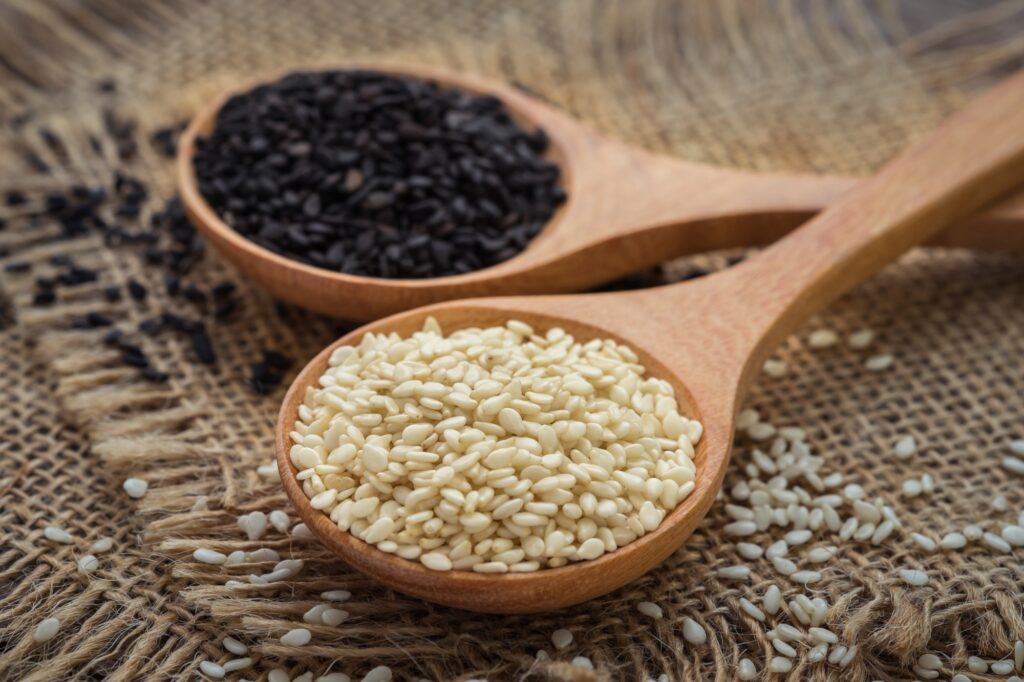
Sesame oil is derived from sesame seeds (Sesamum indicum) and is a popular ingredient in Indian and Asian cooking. Rich in unsaturated fatty acids, vitamin E, lignans (sesamin and sesamolin), phytosterols, and other antioxidants. Sesame oil has been studied for various possible benefits to health when it is eaten in a healthy diet.
1. Supports Heart Health
Sesame oil contains a high amount of unsaturated fats, in particular oleic acid and linoleic acid. The fats can be a beneficial alternative to saturated fats in the diet. The use of sesame for its potential benefits on cholesterol and other cardiovascular risk factors has also been the subject of clinical studies.
2. Provides Antioxidant Benefits
Sesame oil is rich in natural antioxidants and lignans like sesamin, sesamolin, and sesamol, as well as vitamin E compounds. These compounds are able to act as antioxidants for cells.
3. Can Contribute to a Healthy Blood Sugar Level
The association between the use of sesame oil and blood-glucose regulation has been investigated. Another clinical study that performed a meta-analysis of the clinical trials showed that consuming sesame oil led to lower fasting blood glucose and HbA1c levels, but more research is necessary to determine the effects over a longer period.
4. May improve cholesterol levels
Sesame oil contains unsaturated fats and bioactive lignans that can affect lipid metabolism. There have been some clinical studies indicating improvements in total cholesterol and triglycerides with sesame consumption, but findings were not wholly consistent across studies.
5. May Contribute to Healthy Blood Pressure
Sesame and sesame oil have been investigated with regard to their influence on blood pressure. There have been some clinical trials and reviews which have claimed blood-pressure readings were lowered, but these are limited and inconsistent.
6. May Assist in Limiting Oxidative Stress
The lignans and tocopherols in sesame oil are antioxidants. There have been reports of oxidative-stress markers changes after consumption of sesame oil, indicating a possible protective effect against oxidative damage.
Conclusion
Sesame oil is a flavourful edible oil, enriched with unsaturated fatty acids, vitamin E, and antioxidants like sesamin and sesamolin. Some studies indicate heart, blood sugar, cholesterol, blood pressure, and antioxidant-stress benefits. Most of the clinical evidence, however, comes from small or short-term studies, and sesame oil should not be used to treat any disease and should be used as part of a balanced diet.
About the Author