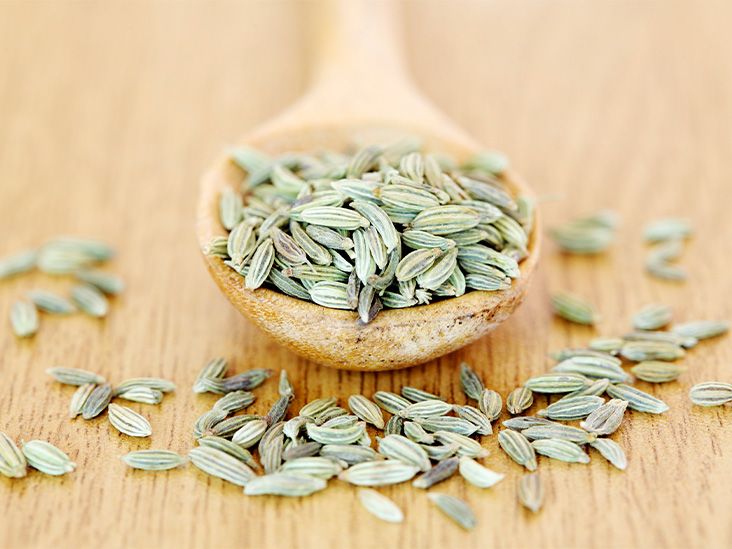
Fennel seeds (Foeniculum vulgare) are aromatic seeds that are popular in Indian traditional medicine and cuisines. They are rich in volatile oils, flavonoids, phenolic compounds, and other bioactive compounds that have been researched for their antioxidant, anti-inflammatory, and digestive properties.
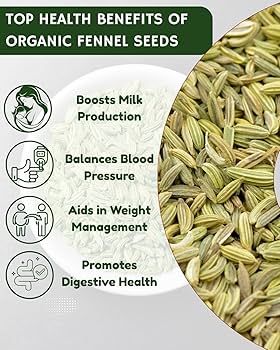
1. Supports Digestion
Fennel has always been used to help aid digestion and alleviate stomach pain. Its compounds can be antispasmodic, which may help to soothe gastrointestinal tract muscles and promote normal gastrointestinal function.
2. Rich in Antioxidants
Fennel seeds have numerous antioxidants, such as flavonoids and phenols. These compounds can help the body fight against oxidative stress and defend itself against damage to cells from reactive molecules.
3. Anti-inflammatory
Fennel and its bioactive compounds have been found to contain potential anti-inflammatory effects. But most of the evidence is from lab and animal studies, and more studies are required in humans to determine its clinical effects.
4. May assist in easing PMS symptoms
Fennel has been studied clinically for its effect on menstrual symptoms. In 2026, a systematic review was conducted, and the authors noted that there is some evidence that fennel and other Apiaceae species may be beneficial for primary dysmenorrhea, but they advised that further high-quality trials be done.
5. May Support Women’s Health
Fennel has also been researched as a remedy for menopausal symptoms. A systematic review of randomized trials was associated with better relief of some menopausal symptoms, but there was no clear evidence of effects on quality of life and psychological health.
Conclusion
Fennel seeds are a spice that is rich in antioxidants and other bioactive compounds that are flavourful. May aid digestion and offer potential antioxidant, anti-inflammatory, and women’s health benefits. Fennel is a food or traditional remedy that should not be used for medical purposes yet; more studies in humans are required.
About the Author