Uric acid is a substance present in the human body that is a product of the breakdown of purines, elements present in cells and certain foods. Generally, uric acid dissolves in the blood, goes to the kidneys, and is excreted in the urine. But when the body produces too much of it, or the kidneys do not remove enough, levels of uric acid in the blood go up. This is what we term high uric acid or hyperuricemia.
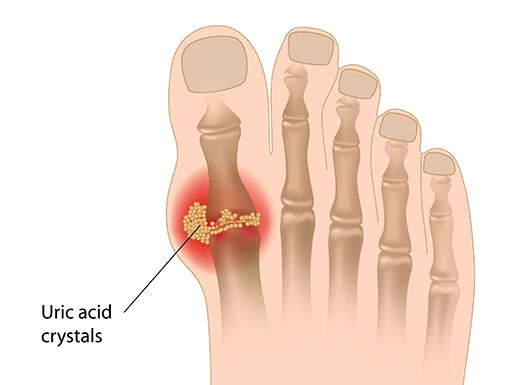
High uric acid levels do not, in all cases, present with issues. Some people may see their numbers up without any symptoms at all. Also, when there is overproduction of uric acid, it may result in very small, sharp crystals which in turn get into the joints. These crystals can, in some people, bring out gout, a very painful type of arthritis that may impact day-to-day life.
What Causes High Uric Acid?
Uric acid levels may rise for a number of reasons. A major factor is the kidneys’ reduced function in eliminating uric acid from the body. Thus, people with kidney issues may be at greater risk of high uric acid levels.
Diet does play a role. We see that foods high in purines, which in turn increase uric acid production, do exist. Red meat, organ meat, and some types of seafood are examples of what may cause raised levels with large consumption. Also, alcohol, especially when had very often or in large quantities, plays a role in the risk of gout.

Sugary beverages and foods that are high in fructose also play a role. Weight issues may also put you at a greater risk for high uric acid and gout. Also, it is genetic, which means if gout runs in your family, you are at greater risk of developing it.
Certain drugs and health issues also play a role in uric acid levels. Thus, high uric acid isn’t always a result of what you eat.
Symptoms of High Uric Acid
High levels of uric acid at times don’t present with any symptoms. It is when the uric acid deposits as crystals, which in turn cause inflammation, that you will notice the symptoms.
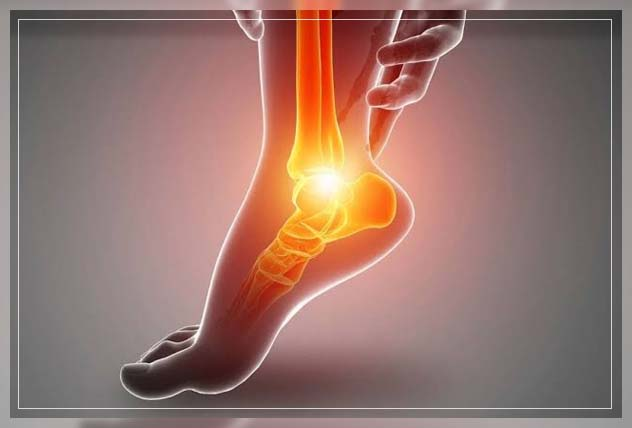
Gout is the most frequent of the uric acid-related conditions. A gout attack will come on very suddenly, which in turn causes intense pain in a joint. The big toe is the most affected area, but gout also occurs in the ankles, knees, fingers, wrists, and elbows.
During an attack what we see is the affected joint may become swollen, turning red, feel hot, and at times be very tender. Also, which is quite common, the pain can be triggered by even the lightest touch. Also it is not uncommon for people to have trouble in walking or in the normal use of the affected joint.
Repetitive attacks tend to increase in frequency if the disease is not properly managed. In long-term cases, uric acid crystals may deposit under the skin and form lumps, which we call tophi. Also, high levels of uric acid may play a role in the development of kidney stones in some people.
How do we prevent high uric acid?
Prevention of many health issues is a result of adopting healthy lifestyle choices. Also, drinking enough water a day may support normal kidney function and help the body eliminate waste through urine.
A healthy diet is also a key element in prevention. We see that people should cut out of their diet regular large intakes of food that are high in purines. As for what to put on the table, we may see to it that most of what is served is vegetables, fruits, whole grains, and appropriate sources of protein.
Reducing alcohol and sugary drinks is also a good step. To maintain a healthy weight, which in turn will lower some of the gout risk factors, do regular exercise and eat well.
Also, it is not a requirement to eliminate all purine-containing foods. What we eat can differ based on individual health, which is a great thing, especially for those with gout or other medical issues.
When do you see a doctor?
A medical professional should be seen when a person experiences acute or very painful joint attacks, and also when the issue is a recurring one, which may include swelling, redness, and heat in the joint. These symptoms can point to many different issues which a health care provider will be able to diagnose, one of which may be gout.
Doctors also may order blood tests or other exams, which will in turn help determine the root issue. Should we find out that it is gout or that the uric acid levels are very high we may put in place lifestyle modifications and, at times, also use prescription medicine that reduces uric acid or controls inflammation.
Self-medication is to be avoided, as the proper treatment varies for each person’s health issue, medical history, and other drugs they may be on.
Conclusion
Uric acid is a normal byproduct, but what is excessive may present a health issue. Kidney function, genetic makeup, diet, alcohol intake, body weight, medication, and other health conditions play a role in uric acid levels.
The issue is that it may be handled well by means of healthy lifestyle choices and proper medical care. That includes exercise, which increases hydration, eating a well-balanced diet, achieving a healthy weight, and also reducing intake of alcohol and sugary drinks, which are excessive, as this is very useful in the prevention of this. Also very important is that persistent or sudden joint pain not be ignored. By understanding what the causes are and recognizing the early signs, a person may seek medical attention at an early stage, which in turn will protect their long-term health.
About the Author