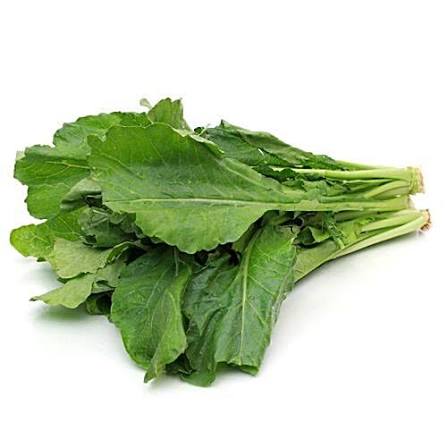
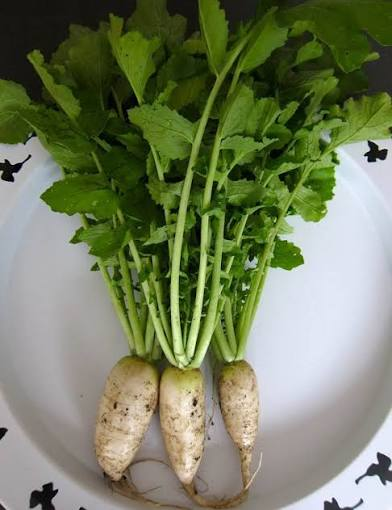
Radish is a common table vegetable in Indian homes, but we tend to throw out its green leaves, which is a waste. In recent years, there has been a greater focus on these edible leaves, which, it turns out, have a host of important nutrients and phytochemicals. Radish leaves are a source of vitamin C, vitamin K, dietary fiber, calcium, iron, magnesium, and other nutrients, which in turn make them a great addition to a balanced diet.
Rich in Essential Nutrients
Radishes in leaf form are a very good source of nutrition. They have vitamin C, which in turn supports the body’s immune response and also aids in the absorption of iron from a plant-based diet. Also, they contain vitamin K, calcium, and magnesium, which play a role in the health of our bones and general body functions. Their fiber content also plays a role in regular digestion and overall gut health.
Supports Digestive Health
Radish greens are a source of dietary fiber, which in turn promotes healthy bowel movements and supports a docile digestive system. We also see that including fiber-rich vegetables in our diet may also put into motion a healthy gut environment. Thus, radish leaves may be put into use in dishes like soups, stir-fries, vegetable preparations, and traditional Indian recipes.
Contains Antioxidant Compounds
Radish leaves are a source of natural polyphenols, flavonoids and other phytochemicals. These compounds function as antioxidants, which in turn may put a break on cell damage from oxidative stress. While we have seen very promising results from research done on radish greens, we are mostly still in the early stages of research, which for the most part has been done in the lab and in animals; thus, we need more studies done in humans before we can make particular medical claims.
May Support Overall Heart Health
Radish leaves are a good choice for a heart-healthy diet, which is a result of the combination of fiber, potassium, and other plant-based nutrients. Also, we have seen through some research that there is a possible role for compounds in radish leaves in blood pressure and metabolic health. But it is important to note that radish leaves are to be included in the health food group rather than a solution to any health issues.
A Simple Solution for Reducing Food Waste.
In terms of what they put back into the body nutritionally, which is great, also by eating radish leaves you may as well turn your food waste into food which has flavor and use. For example, instead of throwing them out with the trash, which is what we do with the greens, try washing them off well and putting them in with your spices, in dals, soups, or any vegetable dishes; they also do well in many other recipes.
Overall, we ignore radish leaves, which are a great option for green vegetables which in turn provide you with a wide range of nutrients and that you can easily include in your daily meals. Also, by adding them to a well-rounded diet, you are making use of the whole radish, which in turn is a great way to improve your health with valuable nutrients and plant-based compounds.
About the Author